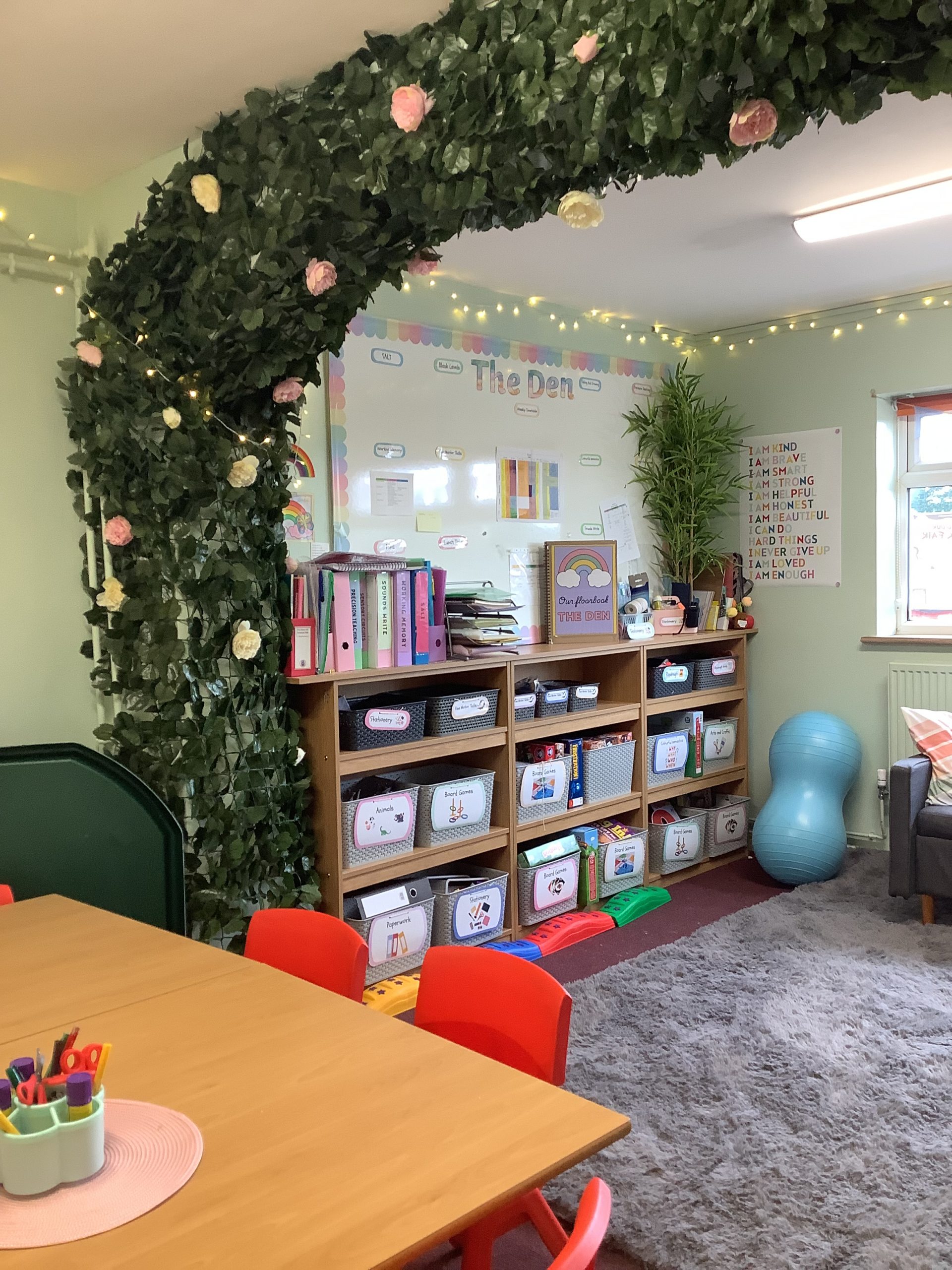
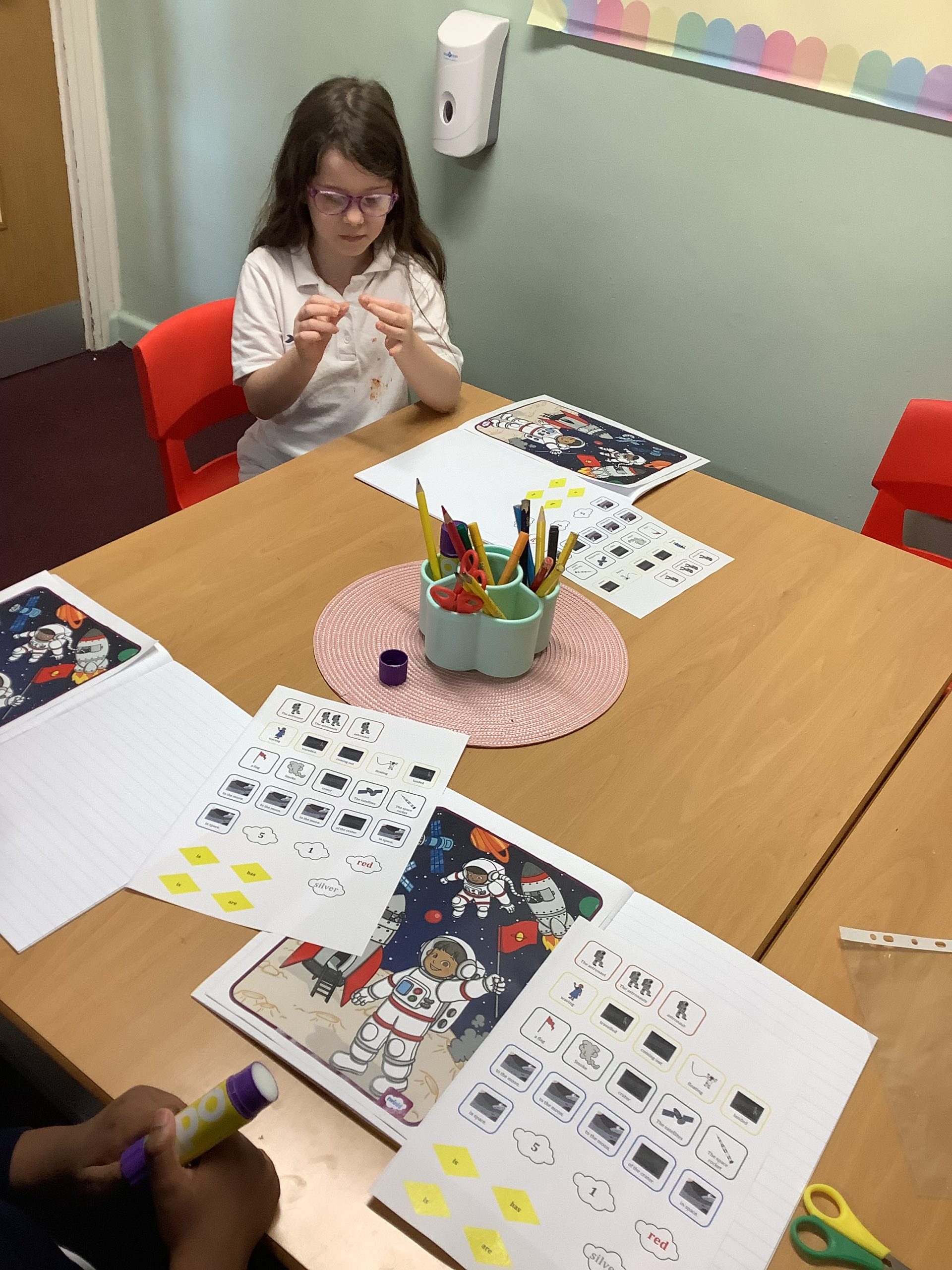
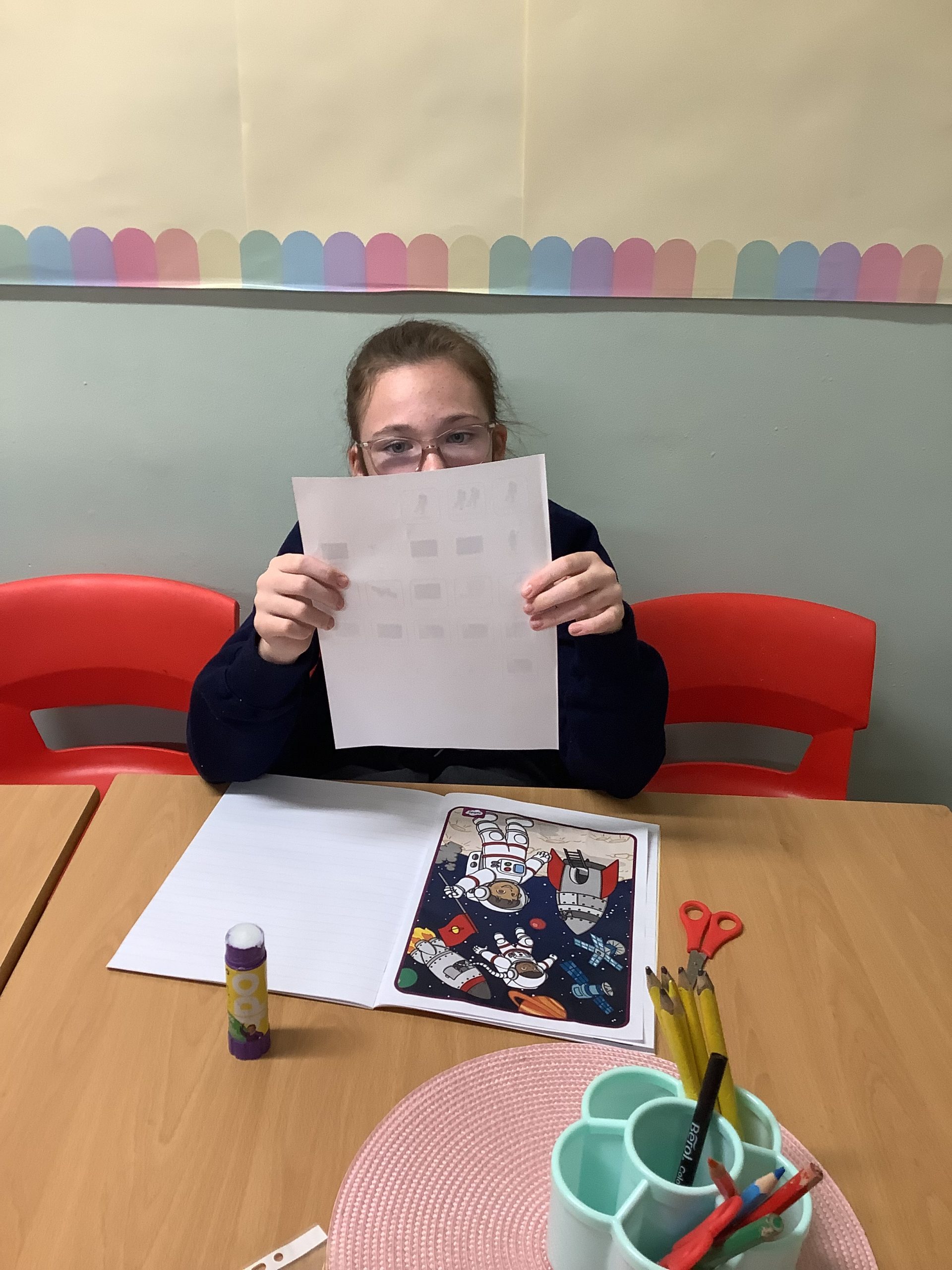
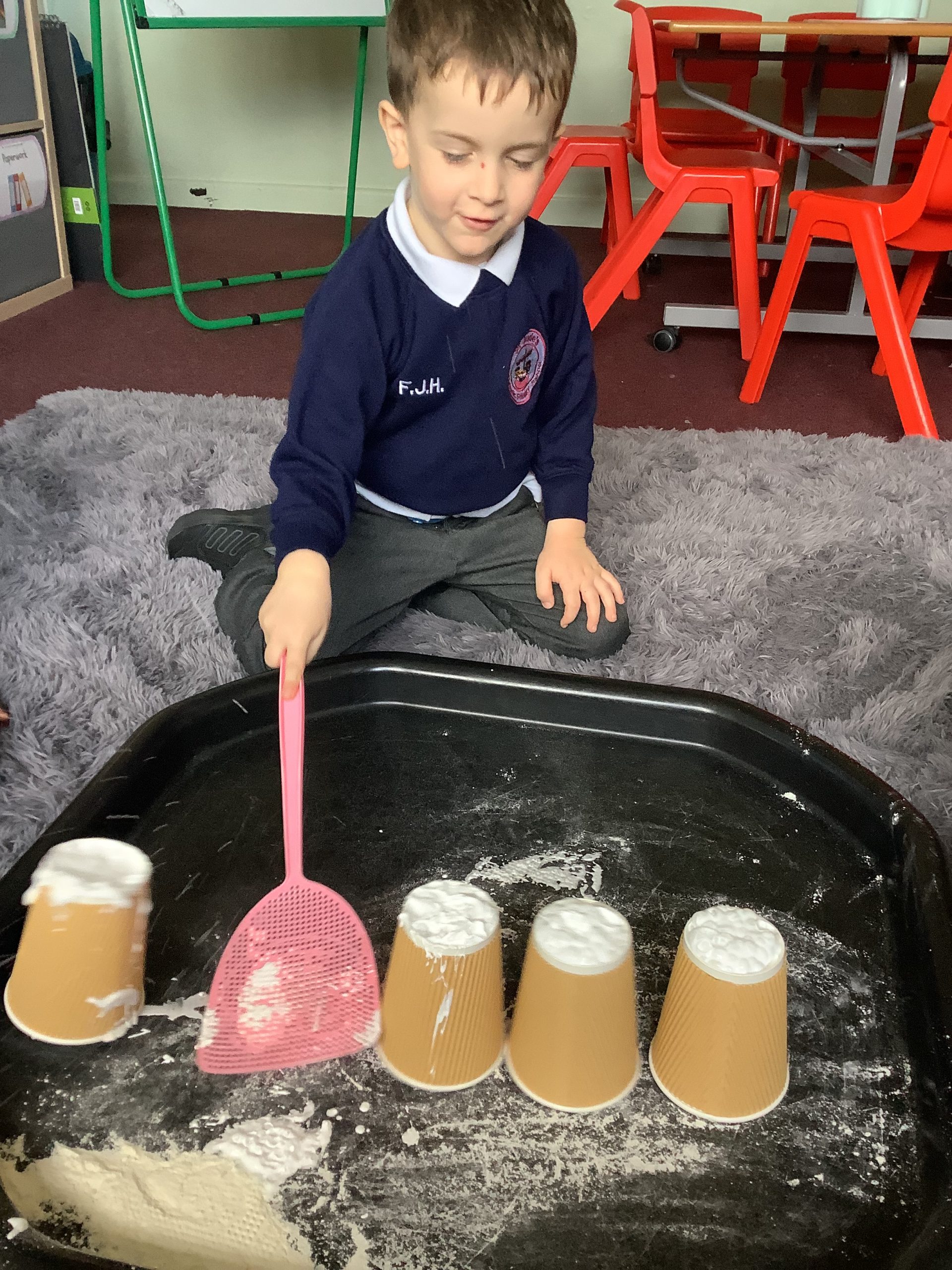
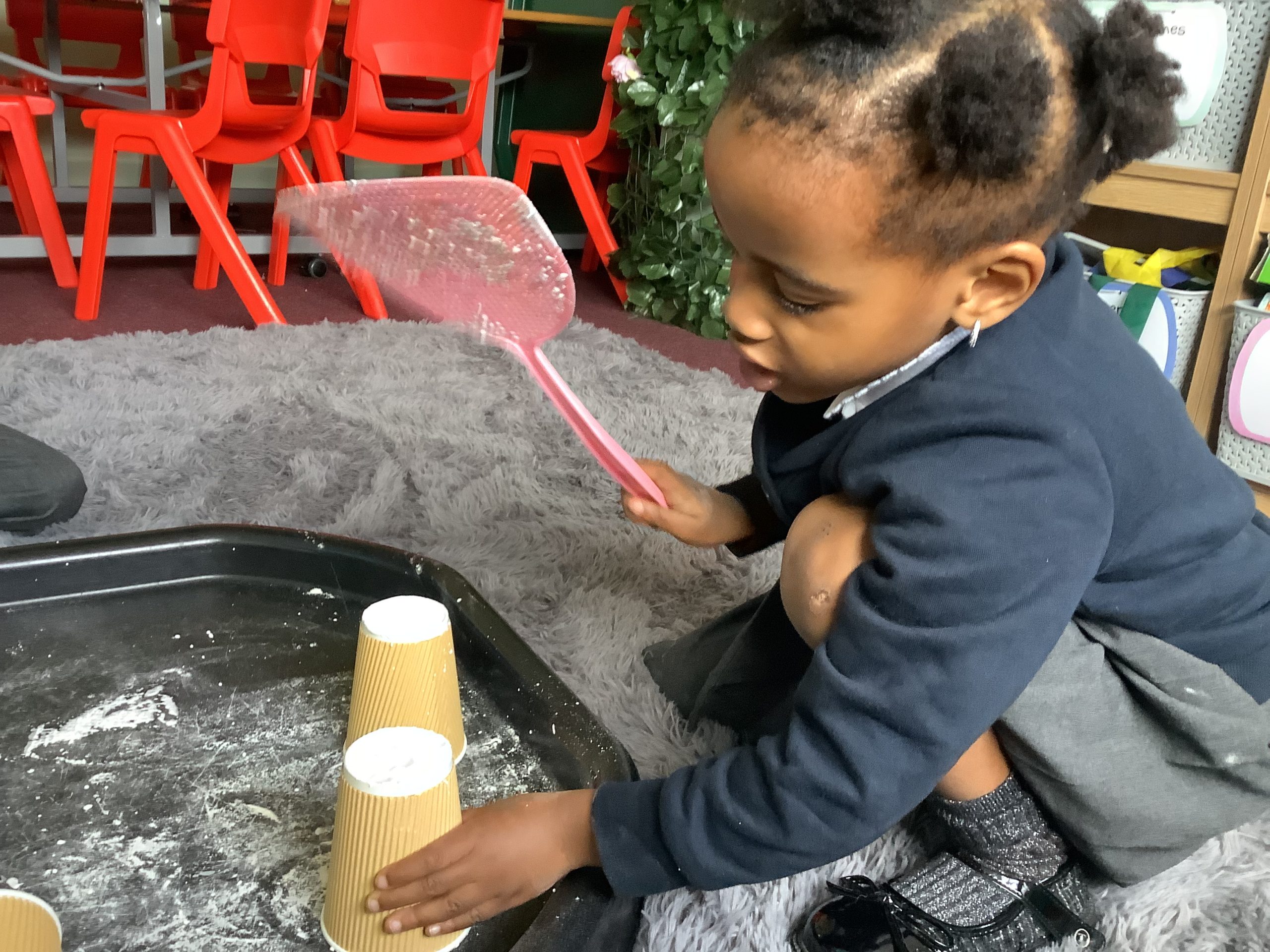
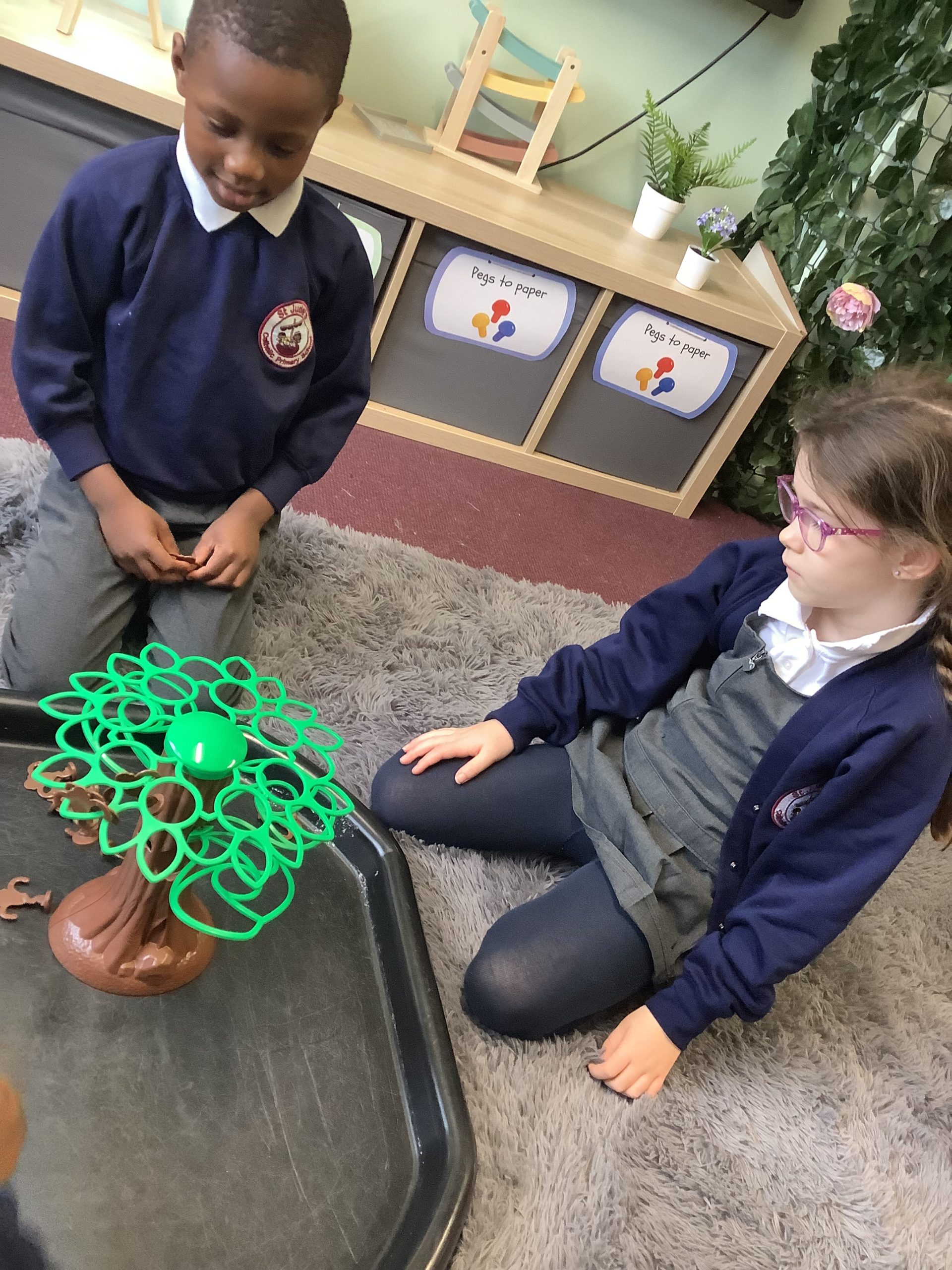
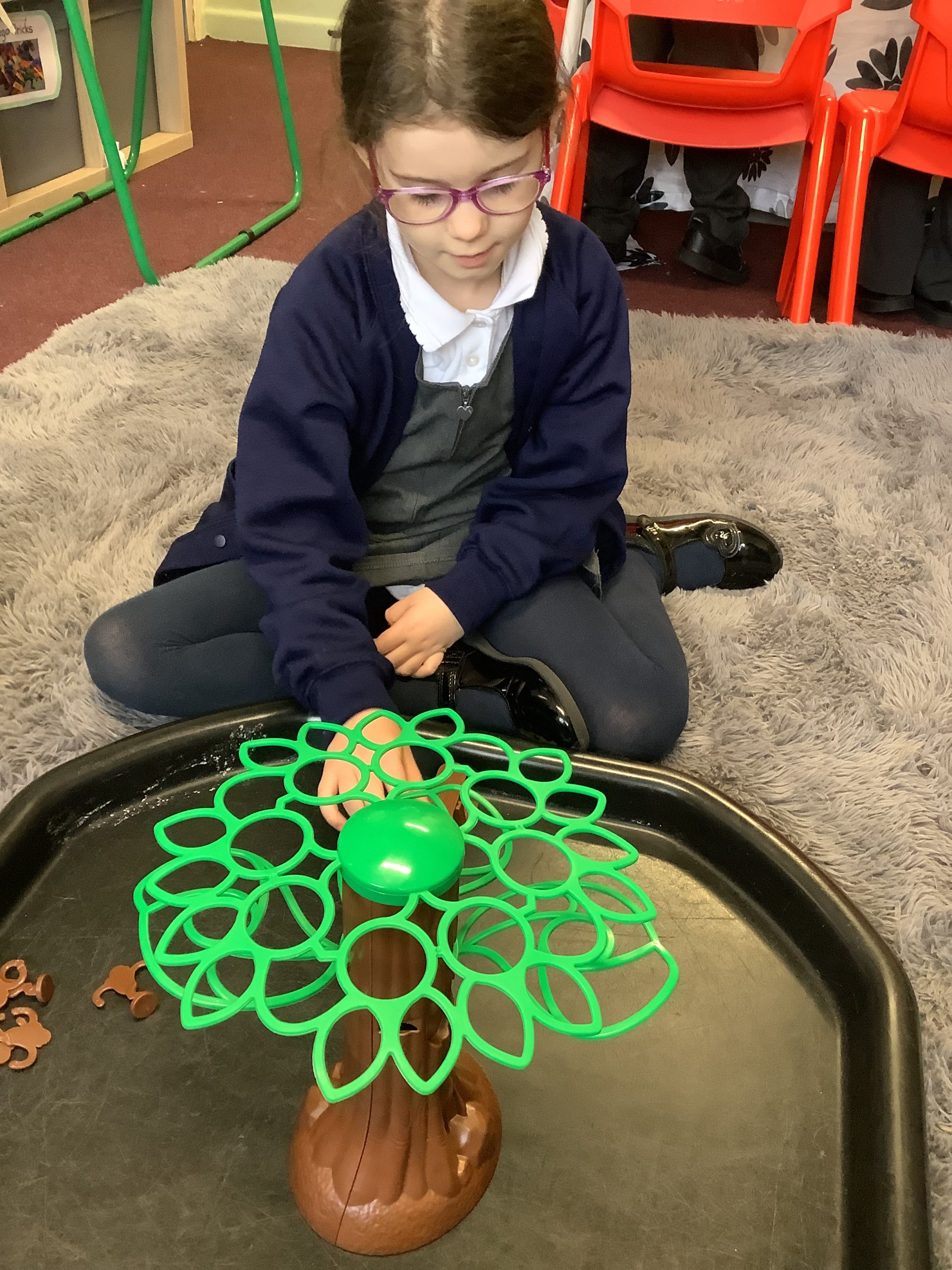
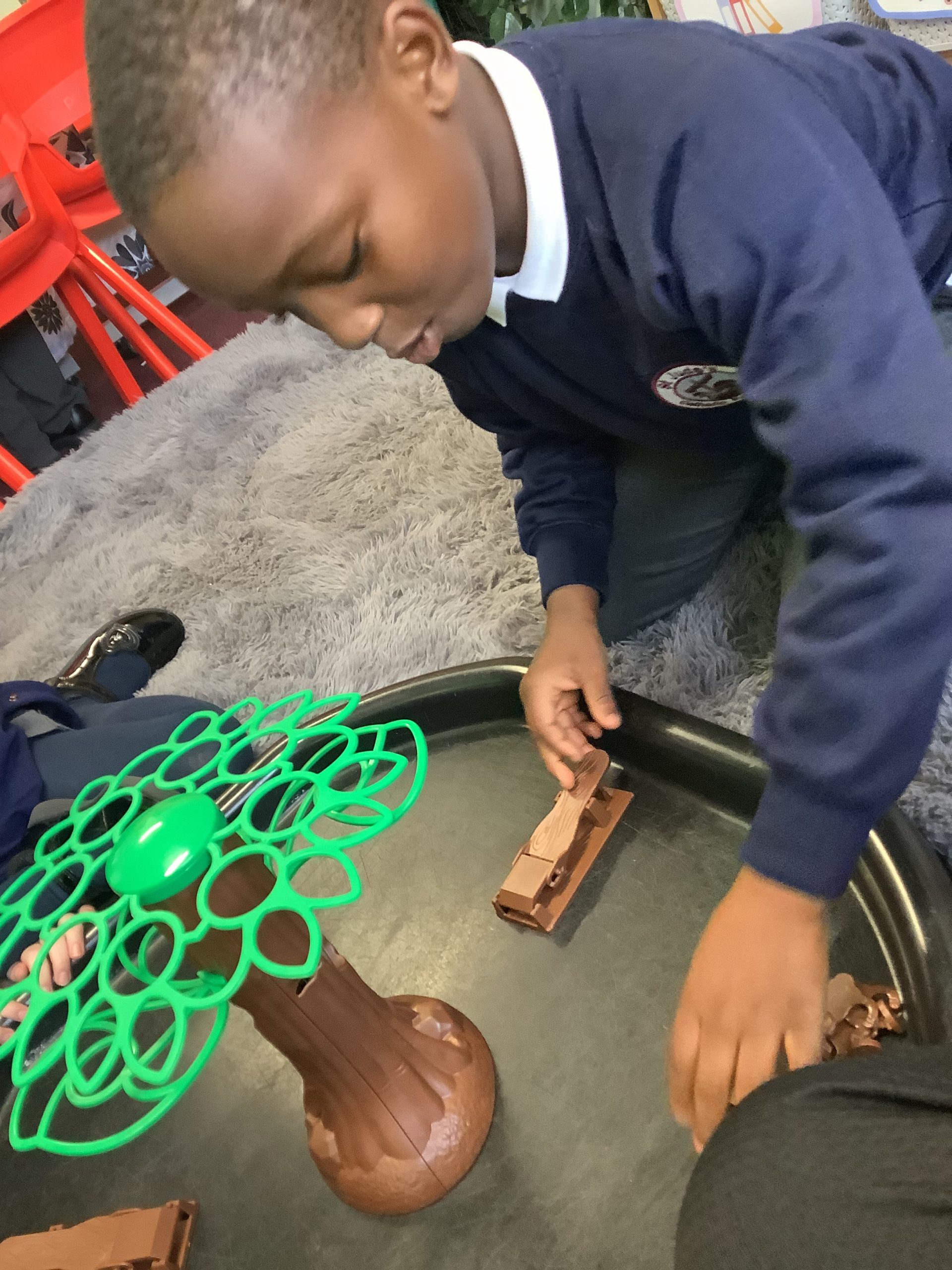
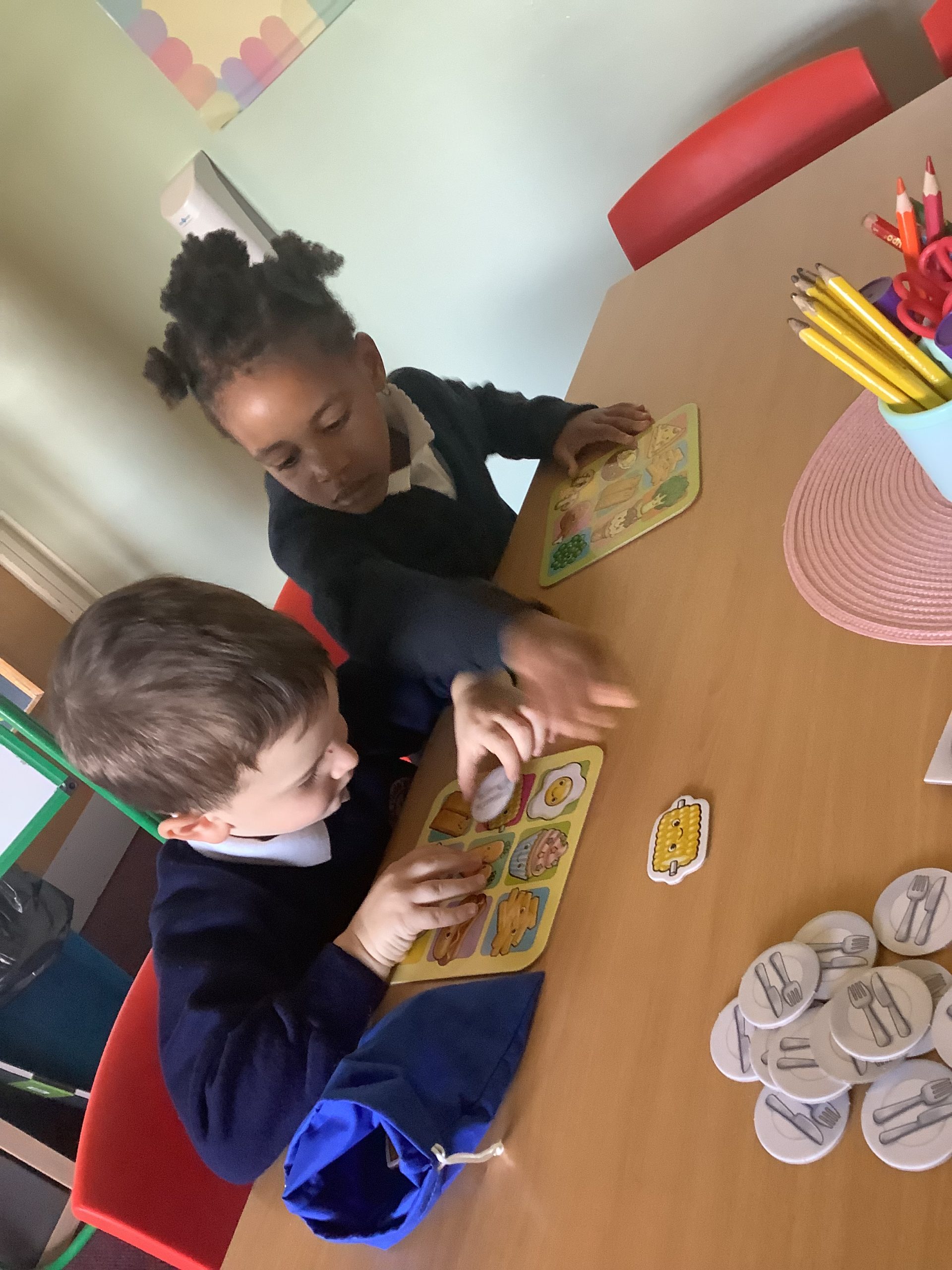
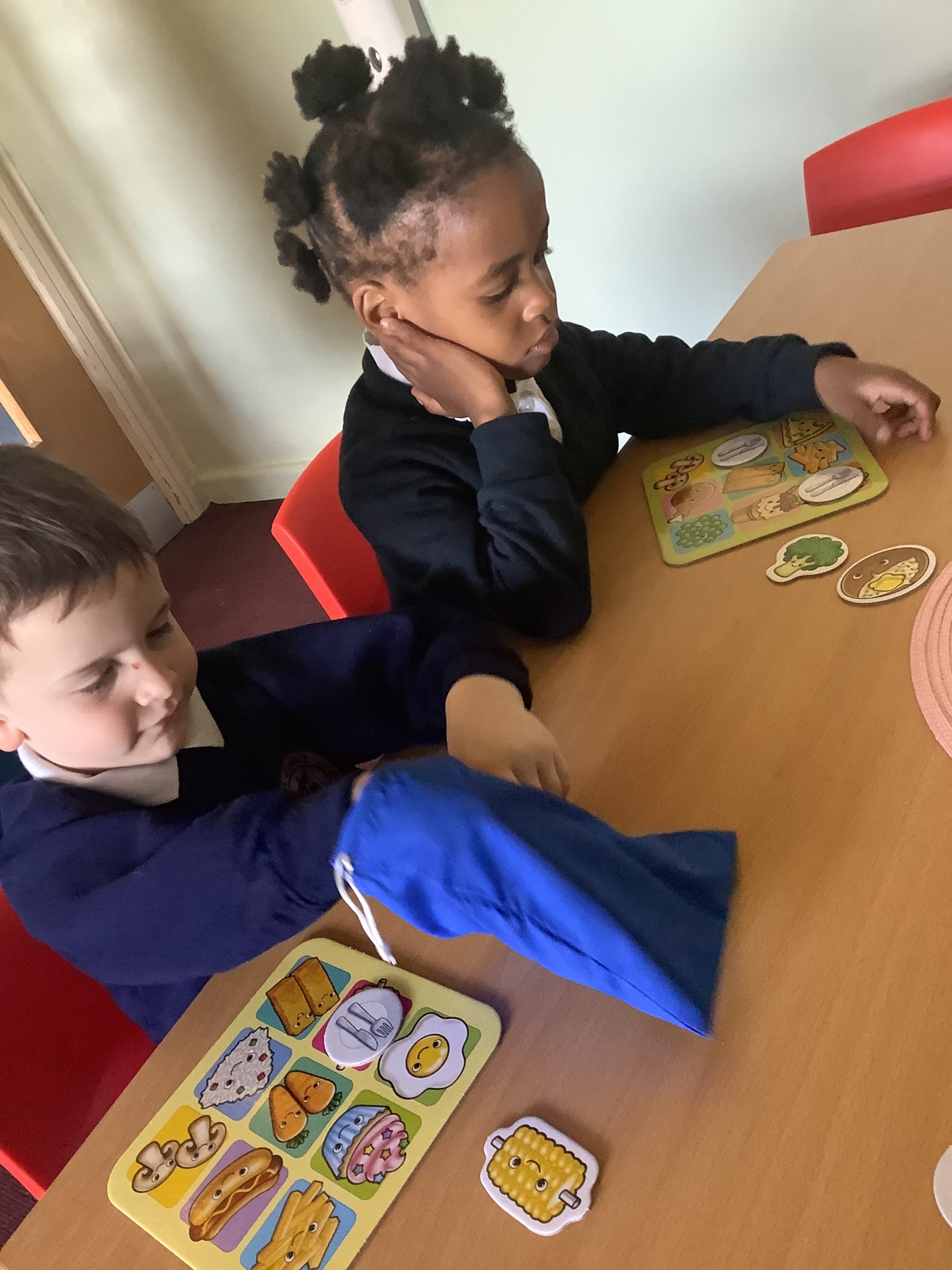
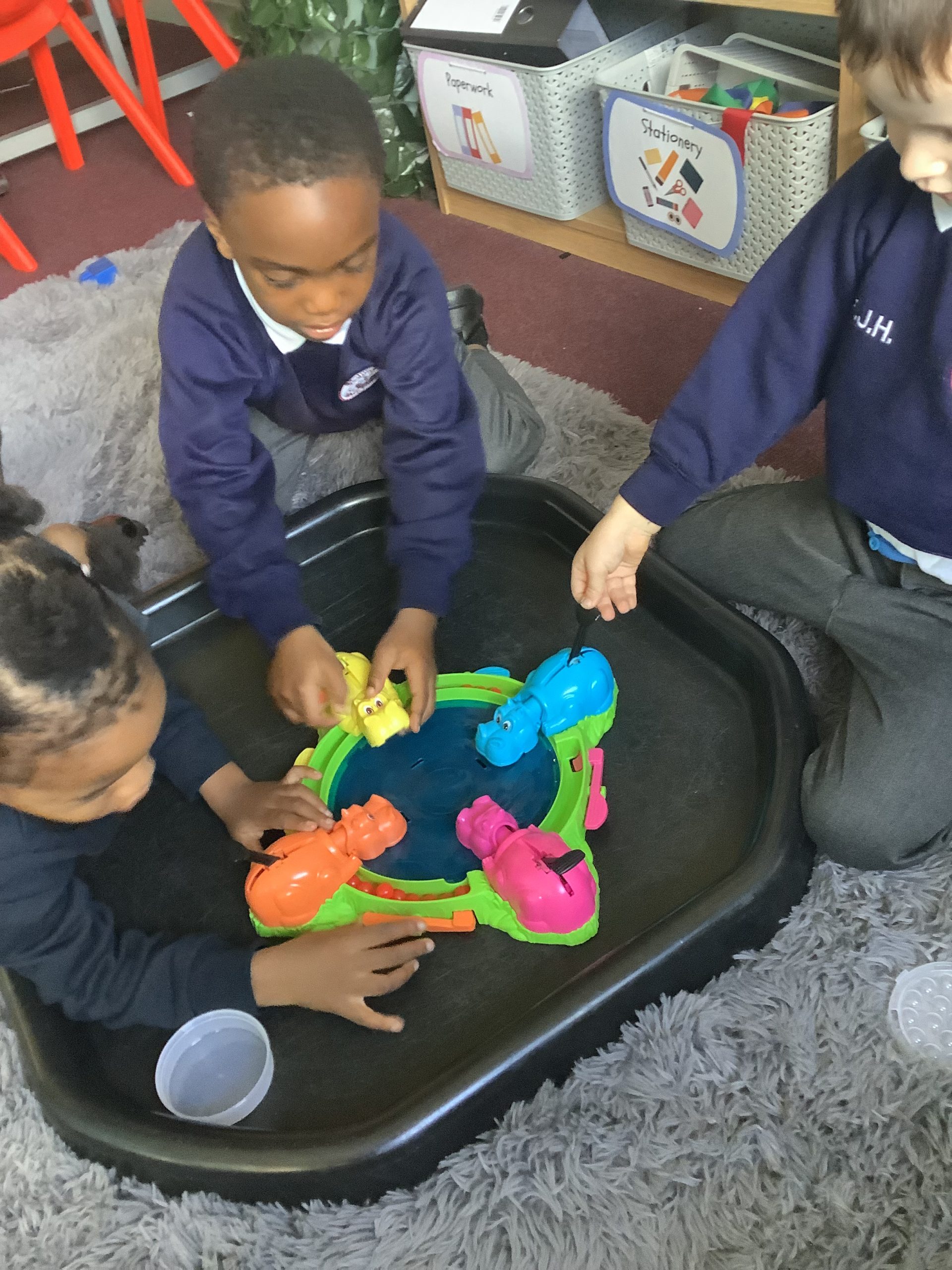
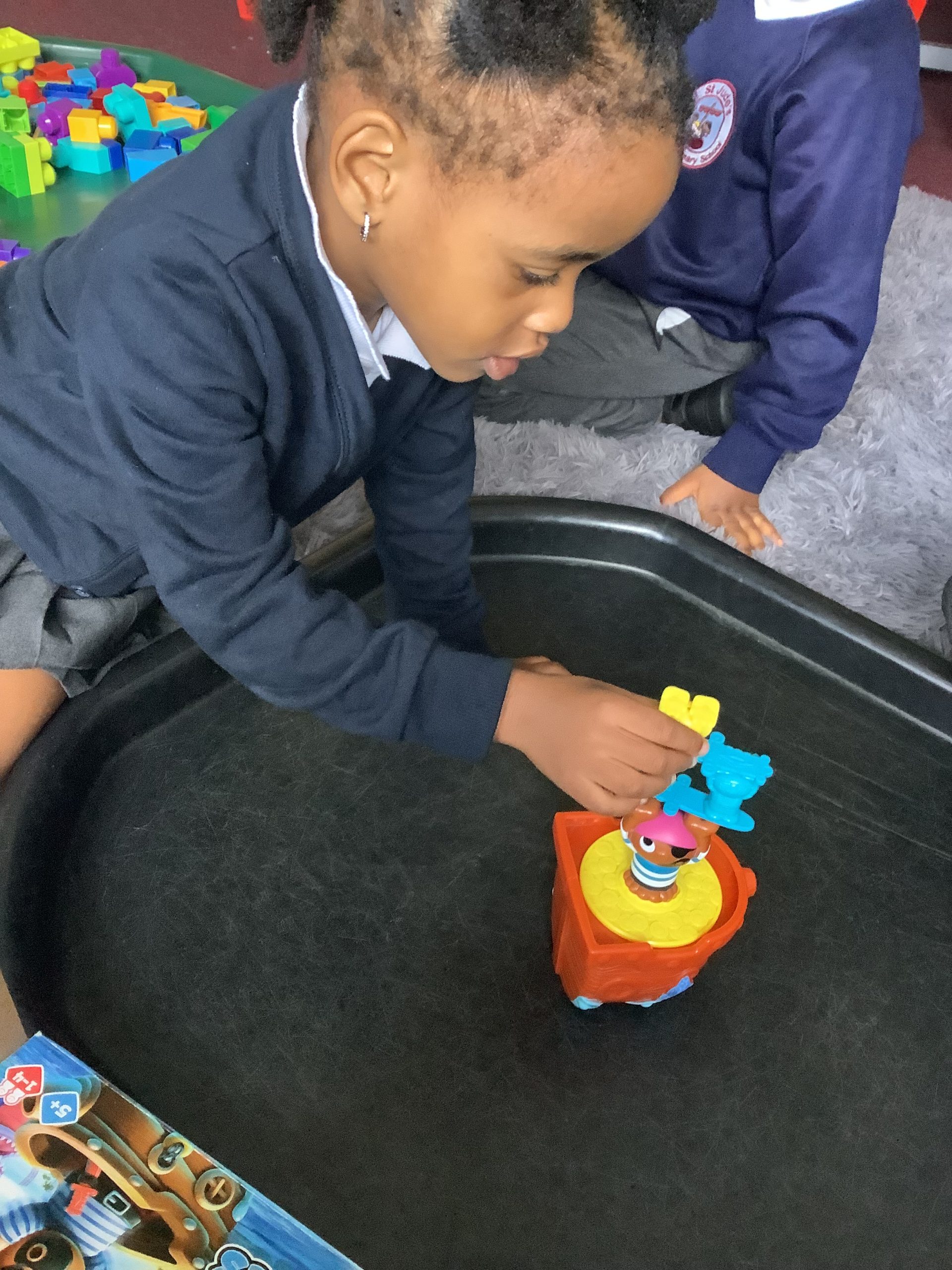
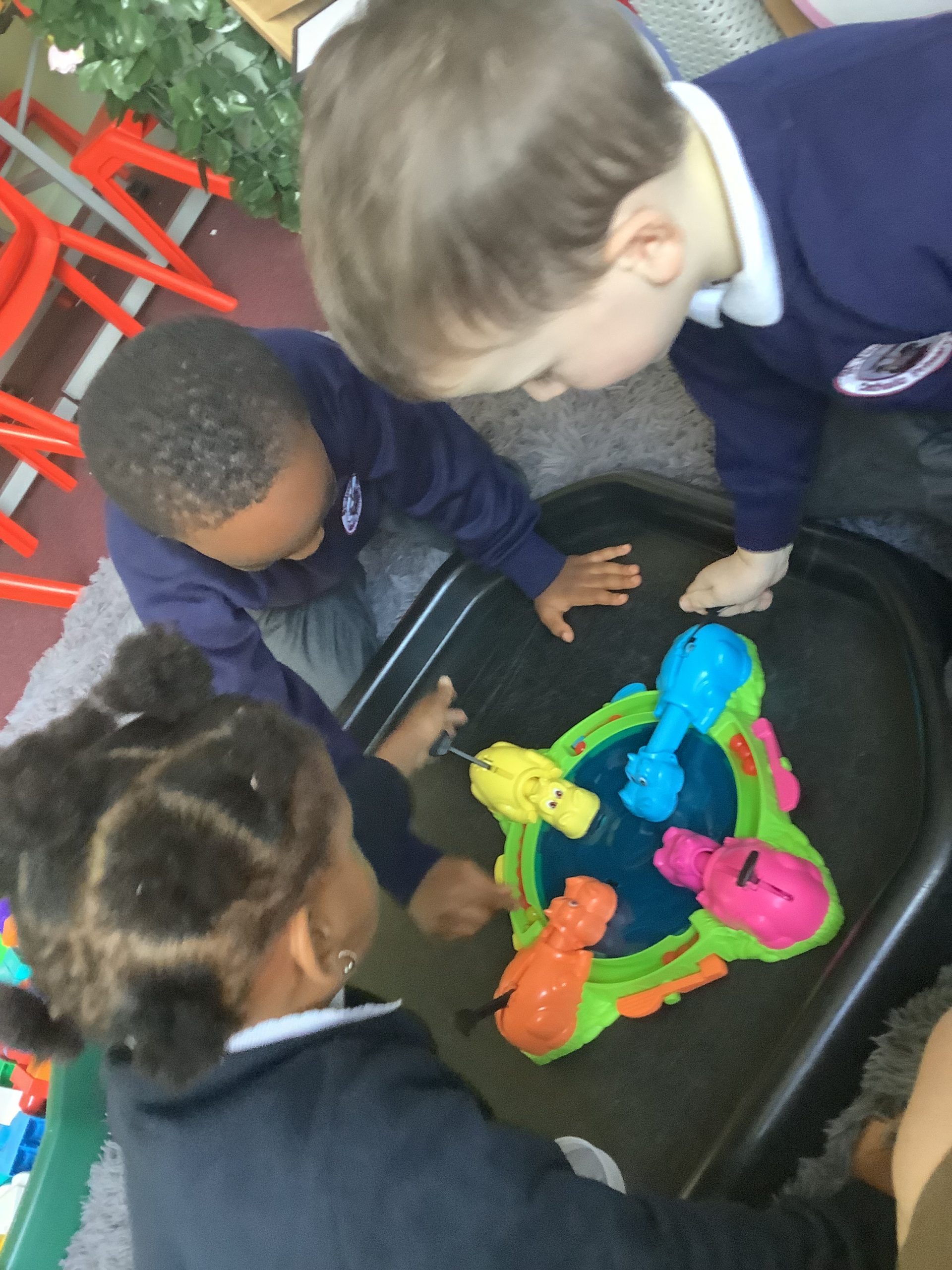
In The Den we are always very busy learning new skills, working together and embedding what we have learnt. This is what we get up to with Miss Alder (Inclusion Activities co-ordinator)
Blank Level Questioning
We use different levels of questioning to help children develop their understanding and thinking skills. we encourage them to identify, describe, remember, explain and think about what might happen next, rather than simply giving them the answers.
🪣 Bucket Time
Bucket Time helps children develop attention, listening and shared focus. We practise sitting together, looking, listening and enjoying activities before gradually building up their ability to concentrate for longer.
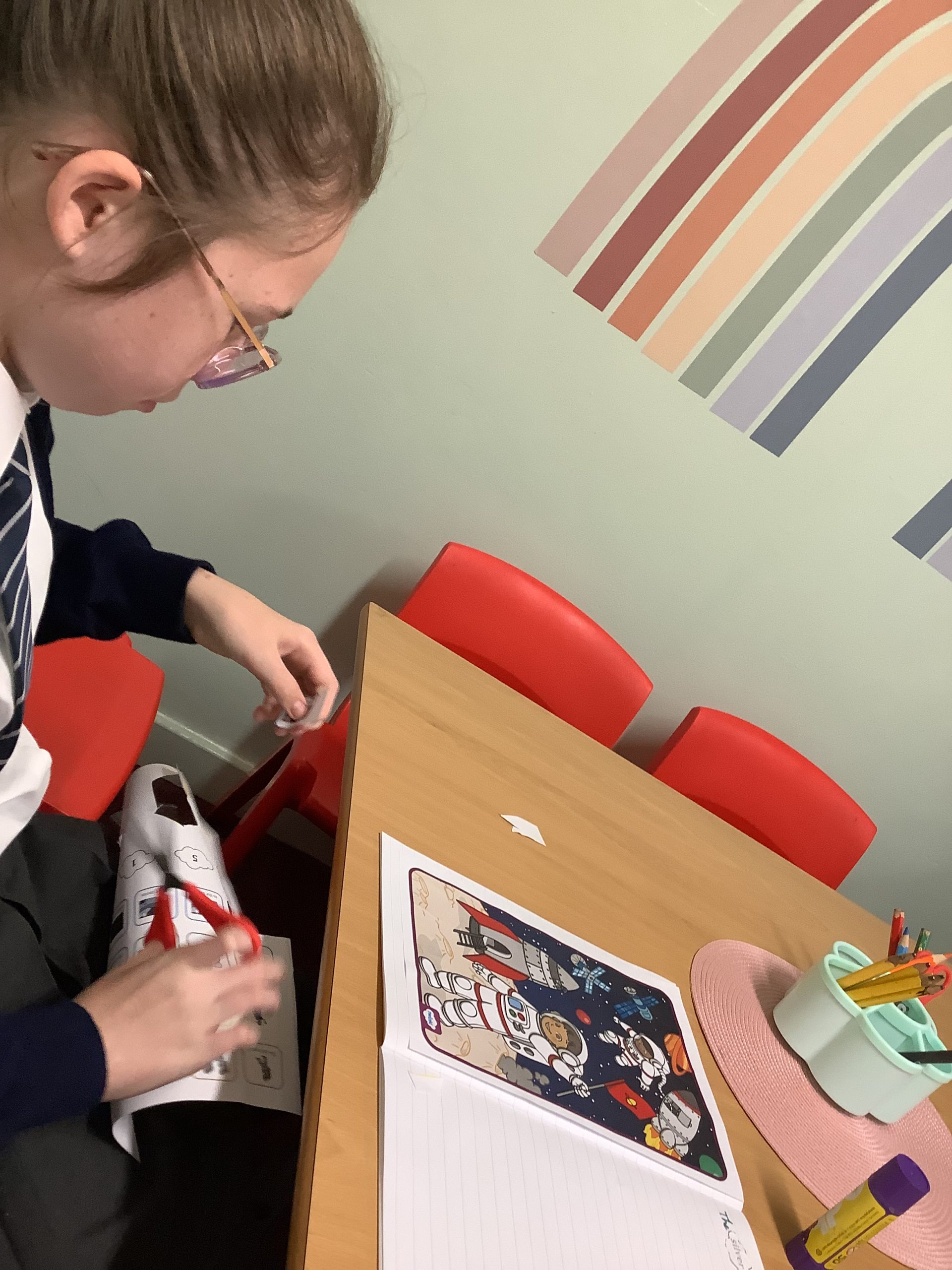
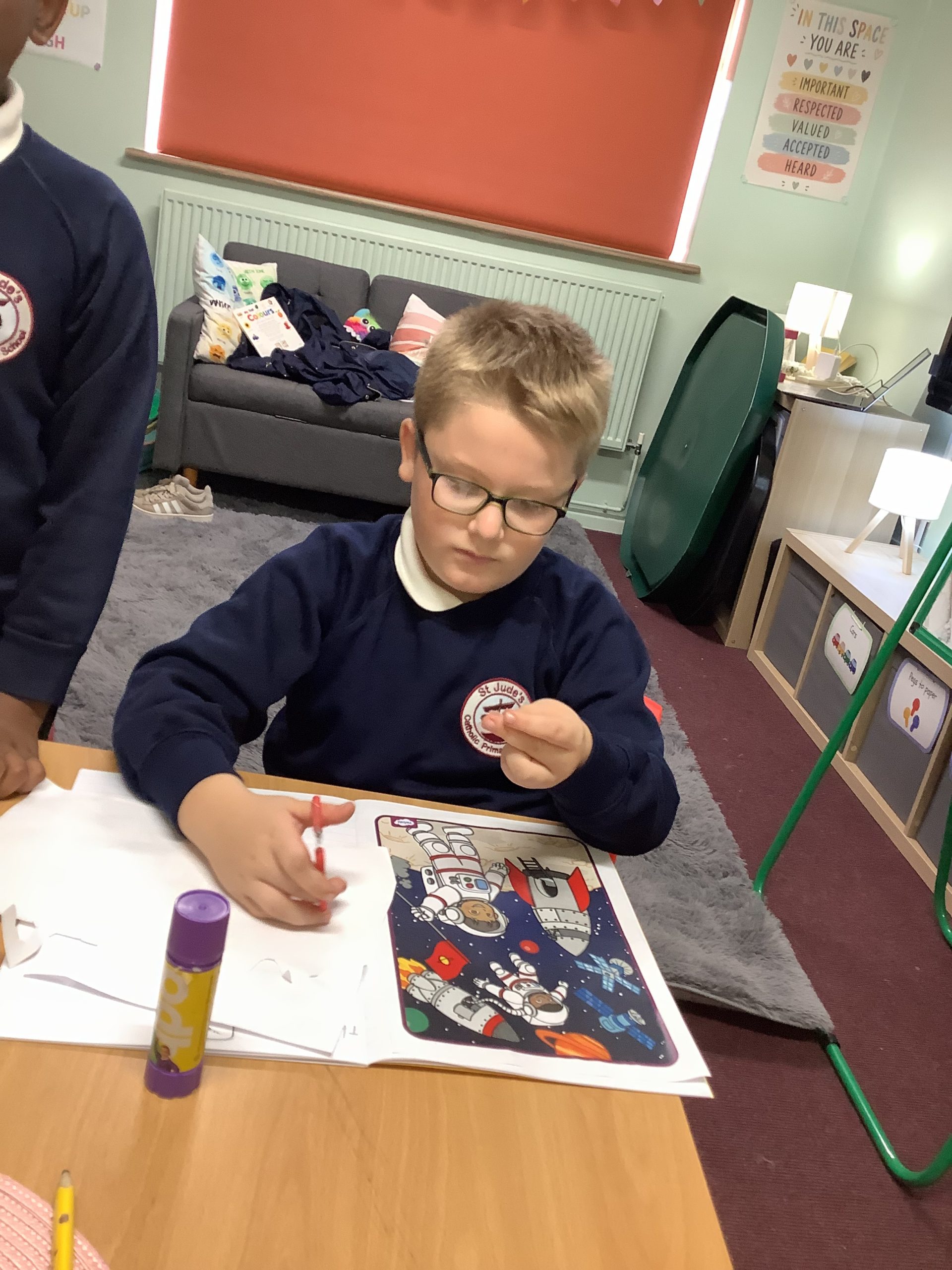
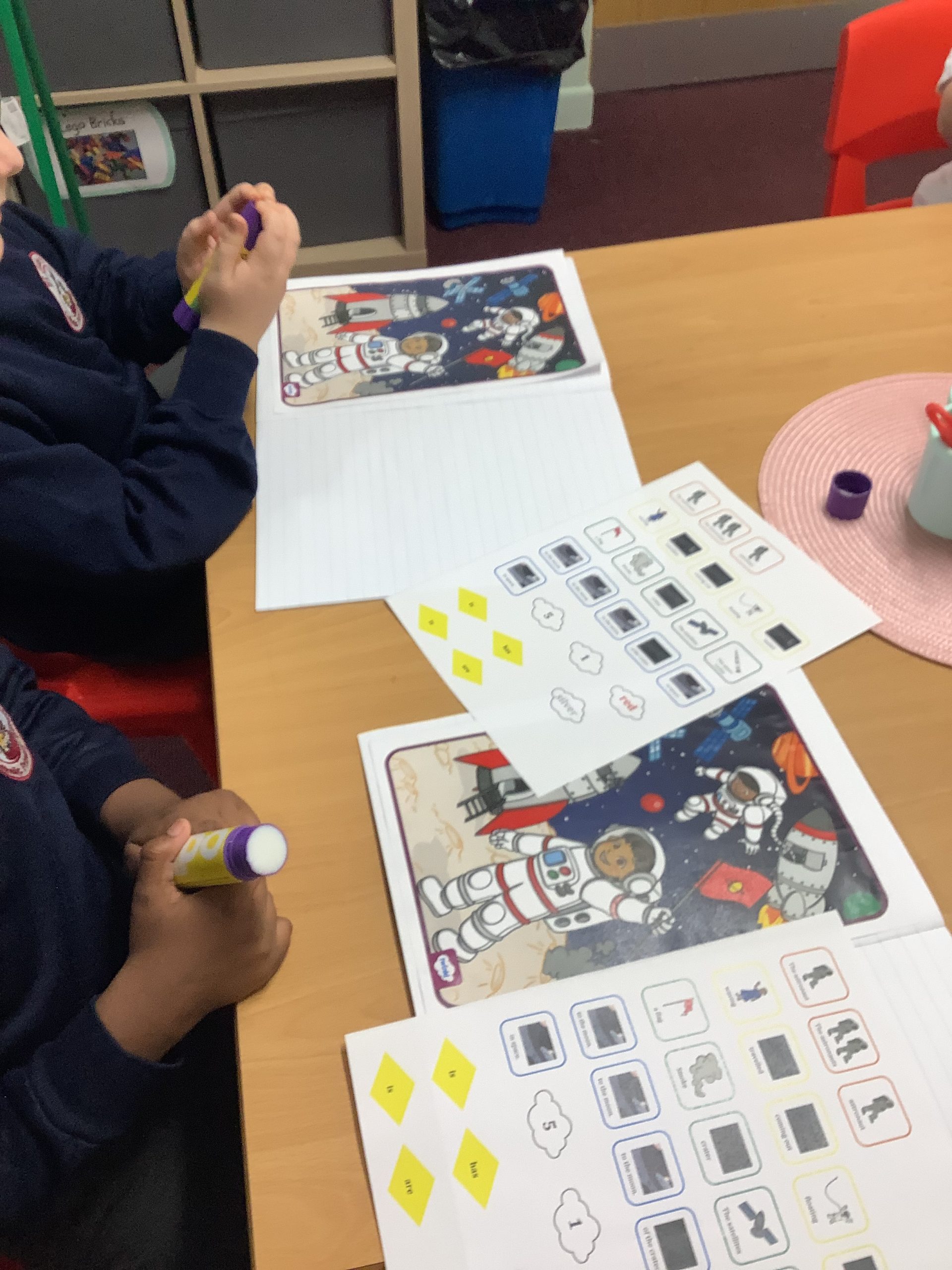
🌈 Colourful Semantics
We use Colourful Semantics to help children understand how sentences are structured. The colours give them a visual way to understand who is doing something, what they are doing and where or to whom it is happening.
✋ Fine Motor Skills
We practise activities that strengthen and develop the small muscles in the hands and fingers. This supports skills such as holding a pencil, writing, cutting, fastening clothes and using classroom equipment.
⭐ Functional Skills
We work on practical skills that children need to become more independent in everyday life. This might include organising belongings, following routines, making choices, managing personal items and completing simple tasks independently.
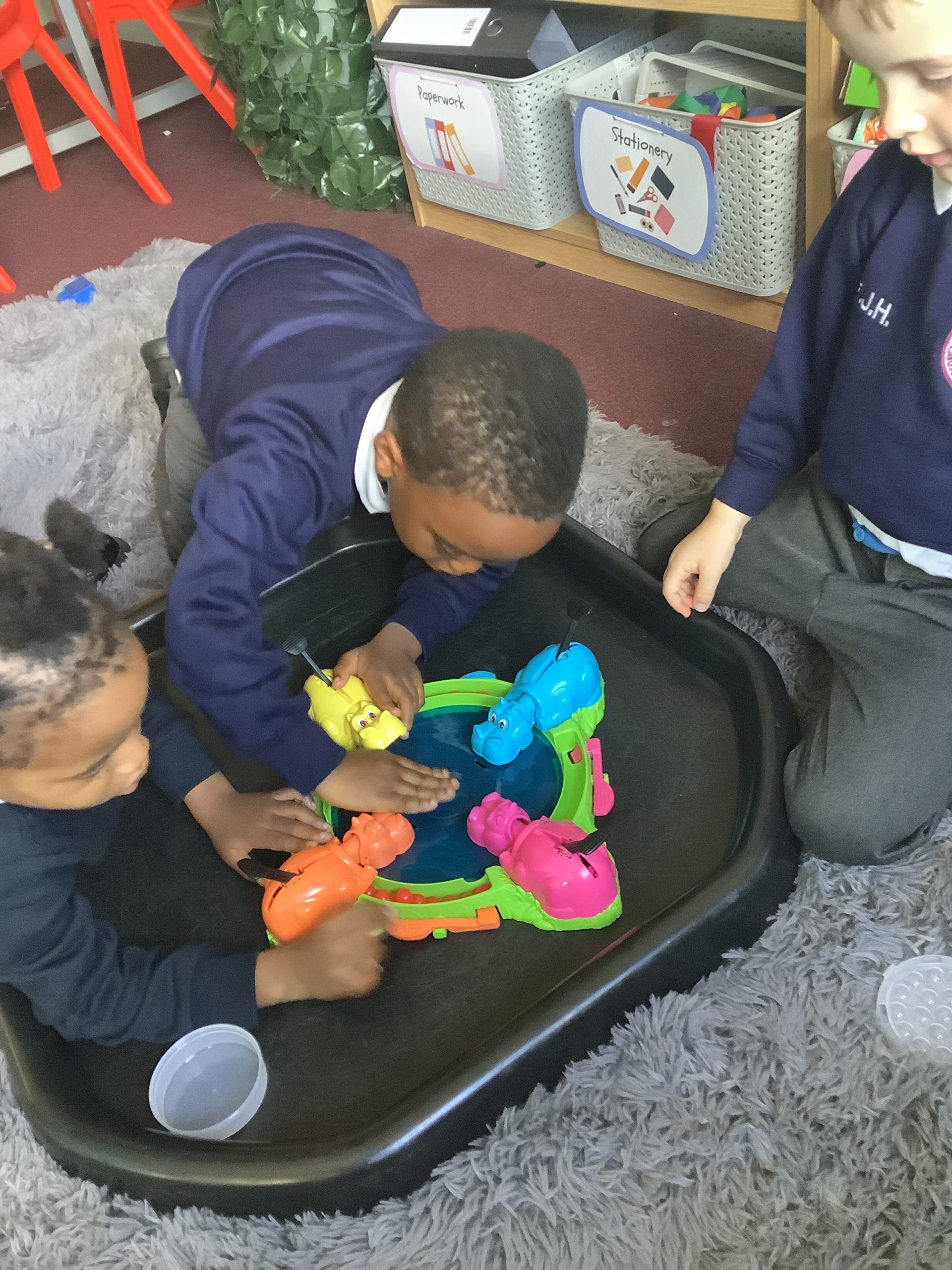
🧱 LEGO & Board Games
LEGO and board games are a fun way to develop a range of skills, including turn-taking, sharing, following instructions, problem-solving, communication, patience and social interaction. They also give children opportunities to practise working with others.
🔤 Sounds-Write
We support the children’s phonics and literacy development using Sounds-Write principles. We practise hearing, identifying and manipulating sounds to support reading, spelling and writing.
🎯 Precision Teaching
Precision Teaching allows us to focus on a small, specific skills and practise it regularly. We work in short bursts and monitor progress so that we can see what the child knows and what needs more practice.
💬 SALT – Speech and Language
We support children’s speech, language and communication throughout our sessions. This can include developing vocabulary, understanding questions, expressing needs, building sentences, listening and having conversations.
🧠 Working Memory
We practise holding information in our minds and using it. This might involve remembering instructions, sequences, words, numbers or information and then using it to complete an activity.
⚡ Sensory Circuits
Sensory Circuits provide movement activities to help children become regulated, organised and ready to learn. We use activities involving movement, balance, coordination and body awareness before learning.
🎨 Talking & Drawing
Talking and drawing give children different ways to express their ideas, experiences and feelings. It can also support vocabulary, storytelling, sequencing, communication and early writing skills.
The Den Chatter
🧠✨ Working Memory Club – KS2 ✨🧠
09-10-2026
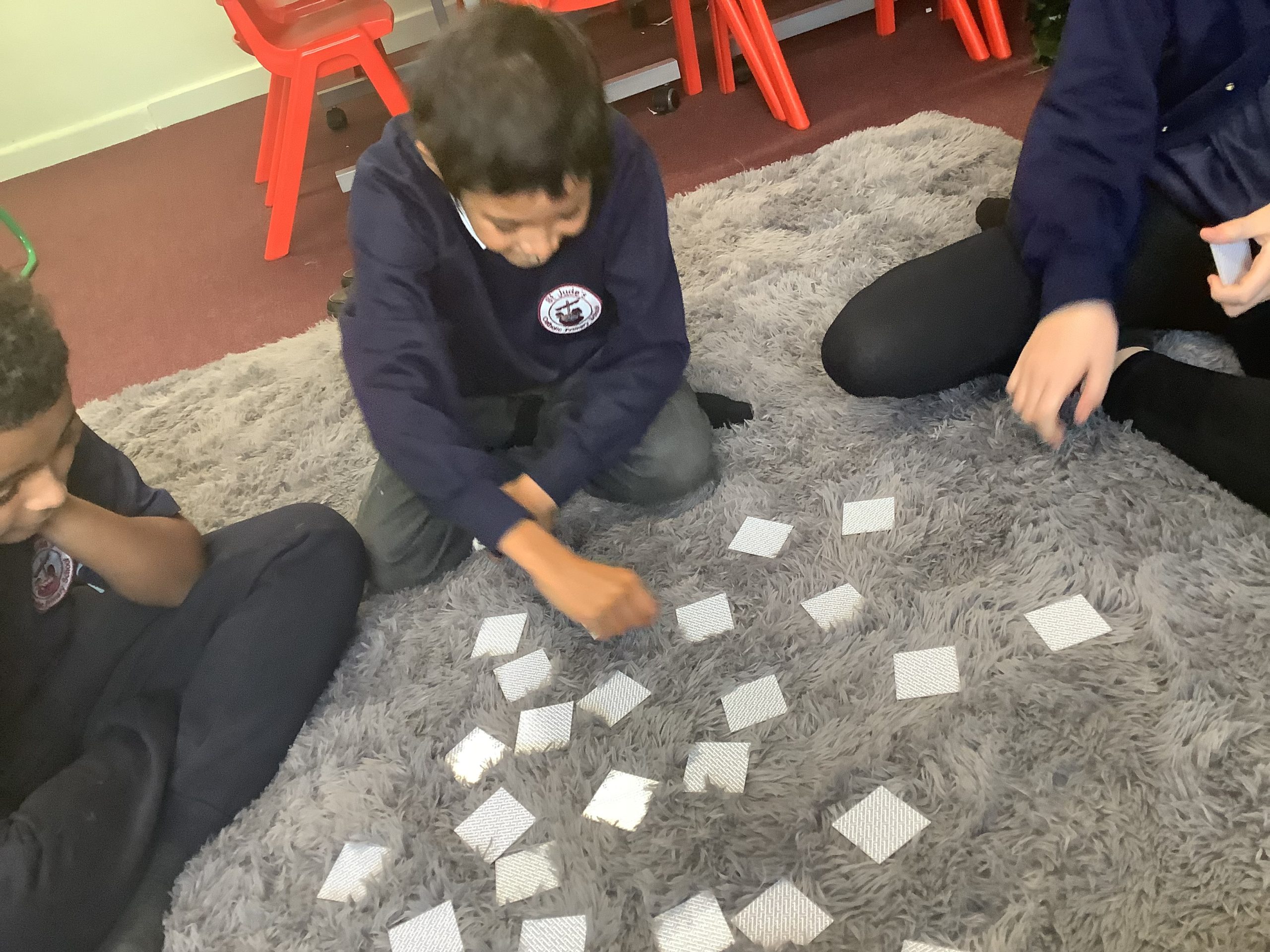
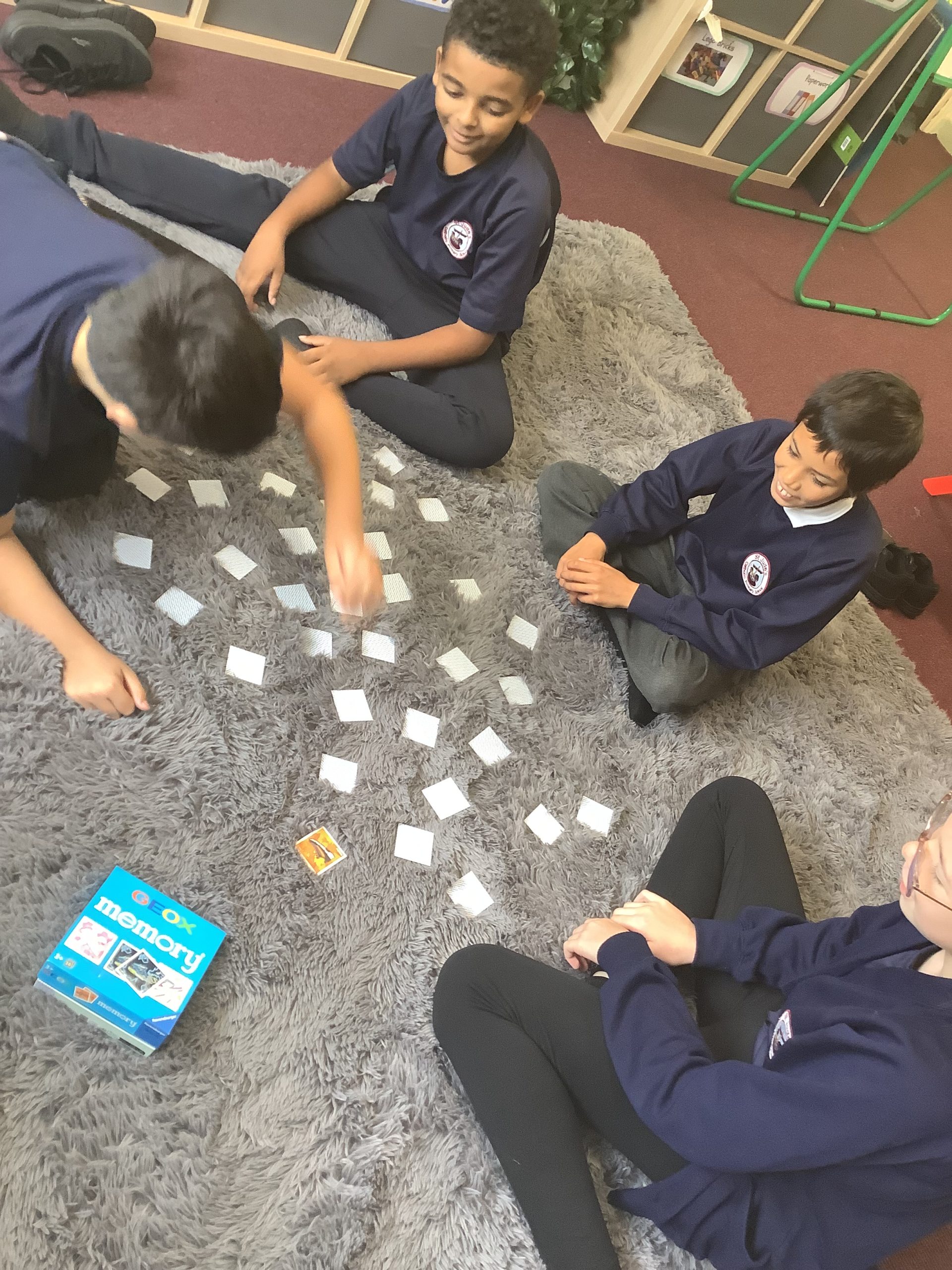
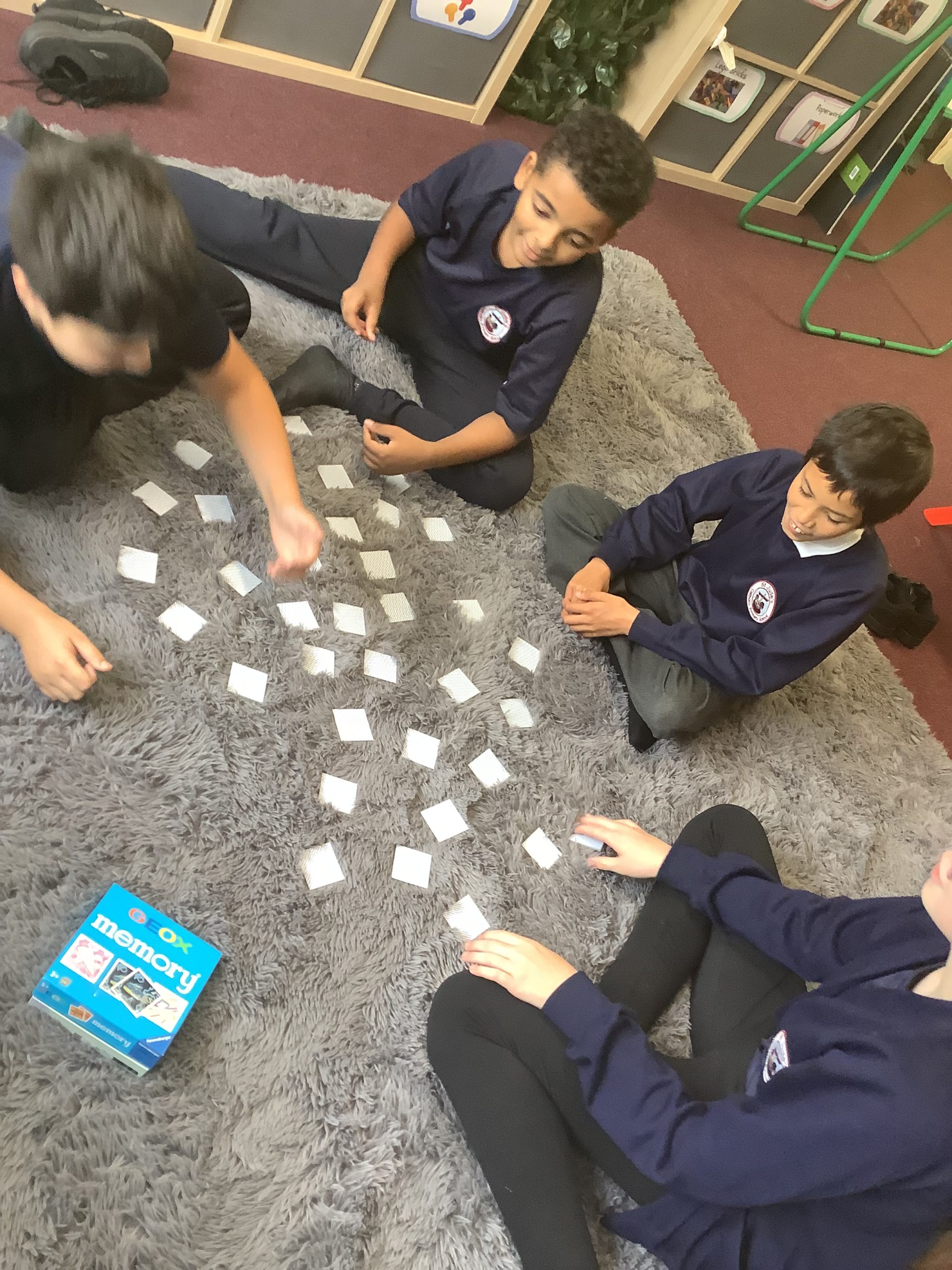
Our KS2 children have been having lots of fun in Working Memory Club! 🎉
We’ve been playing a matching game in the den 🏡🔍, putting our brains to the test as we try to remember where different items are hidden and find the matching pairs! 🃏👀
This fun activity helps us develop our working memory, concentration and focus, while also encouraging us to keep trying and learn together. 💭💪
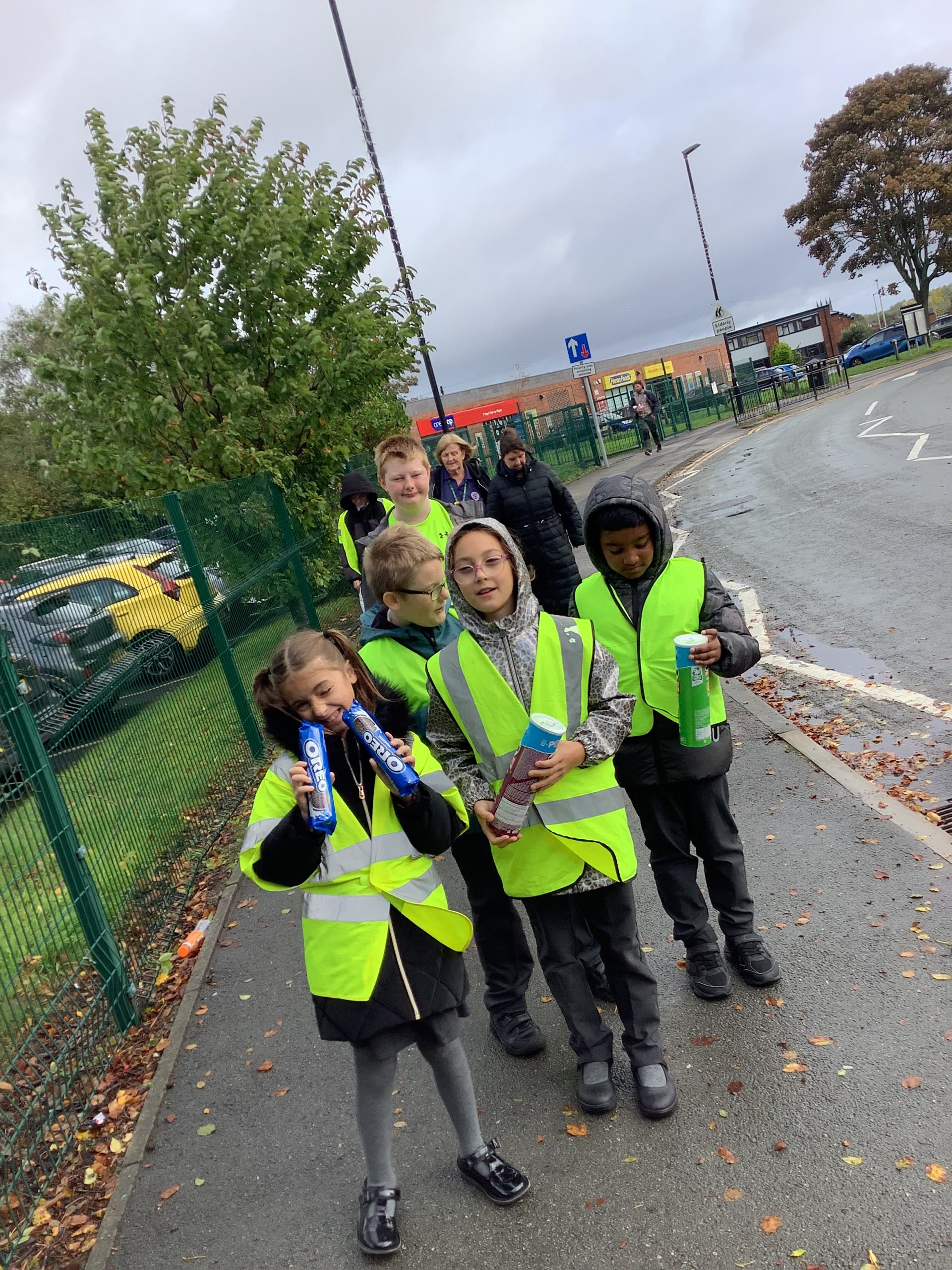
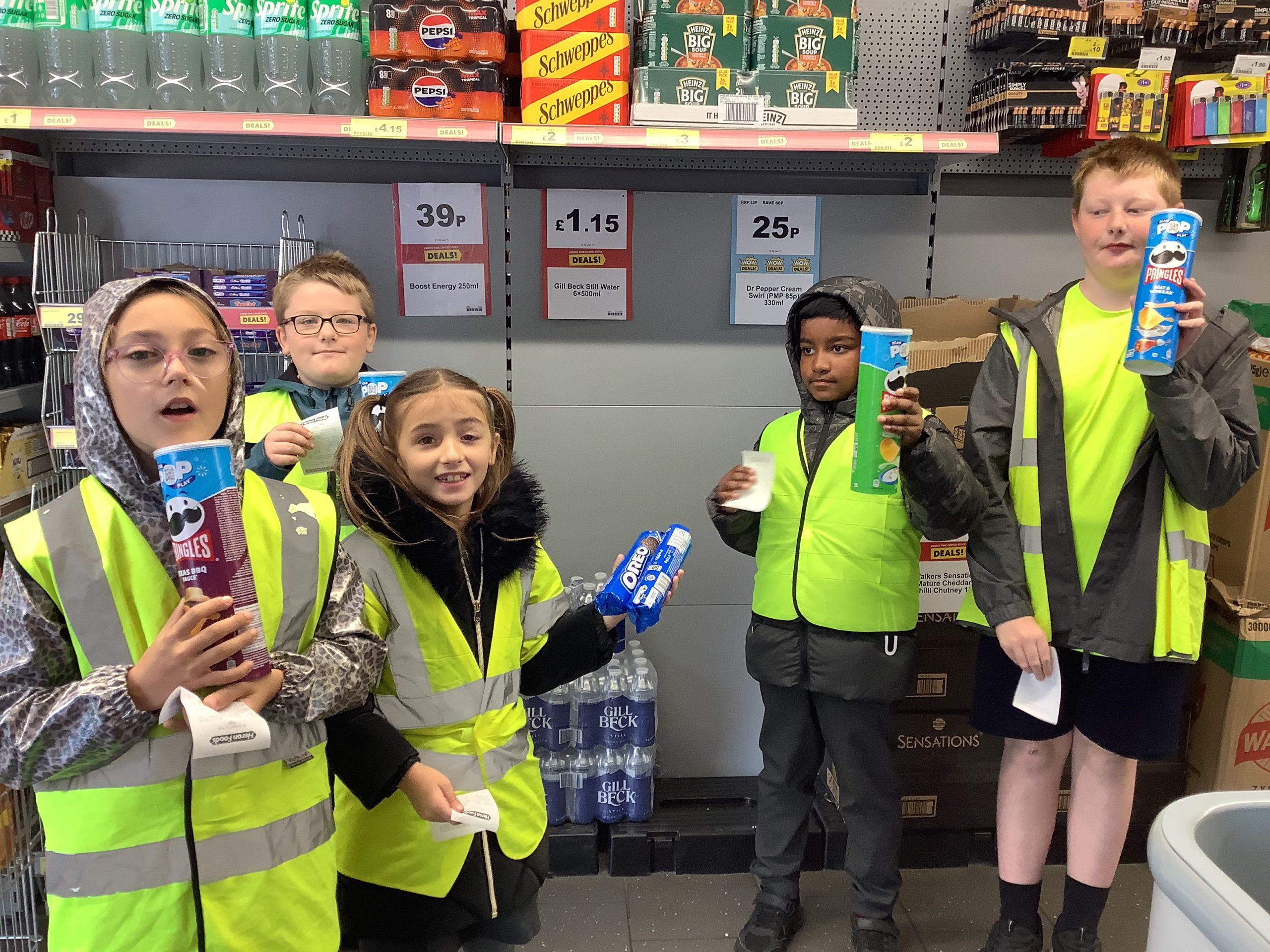
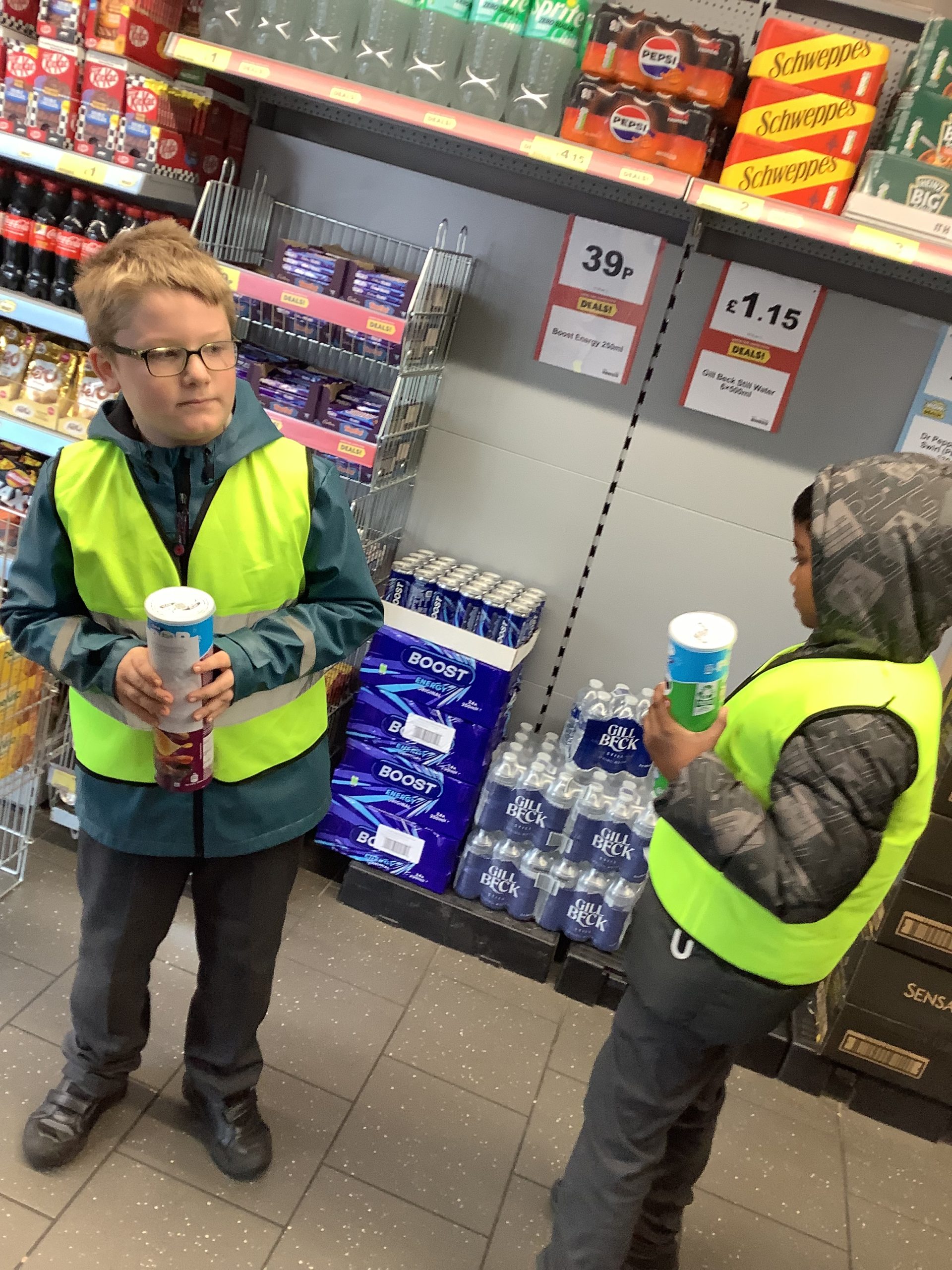
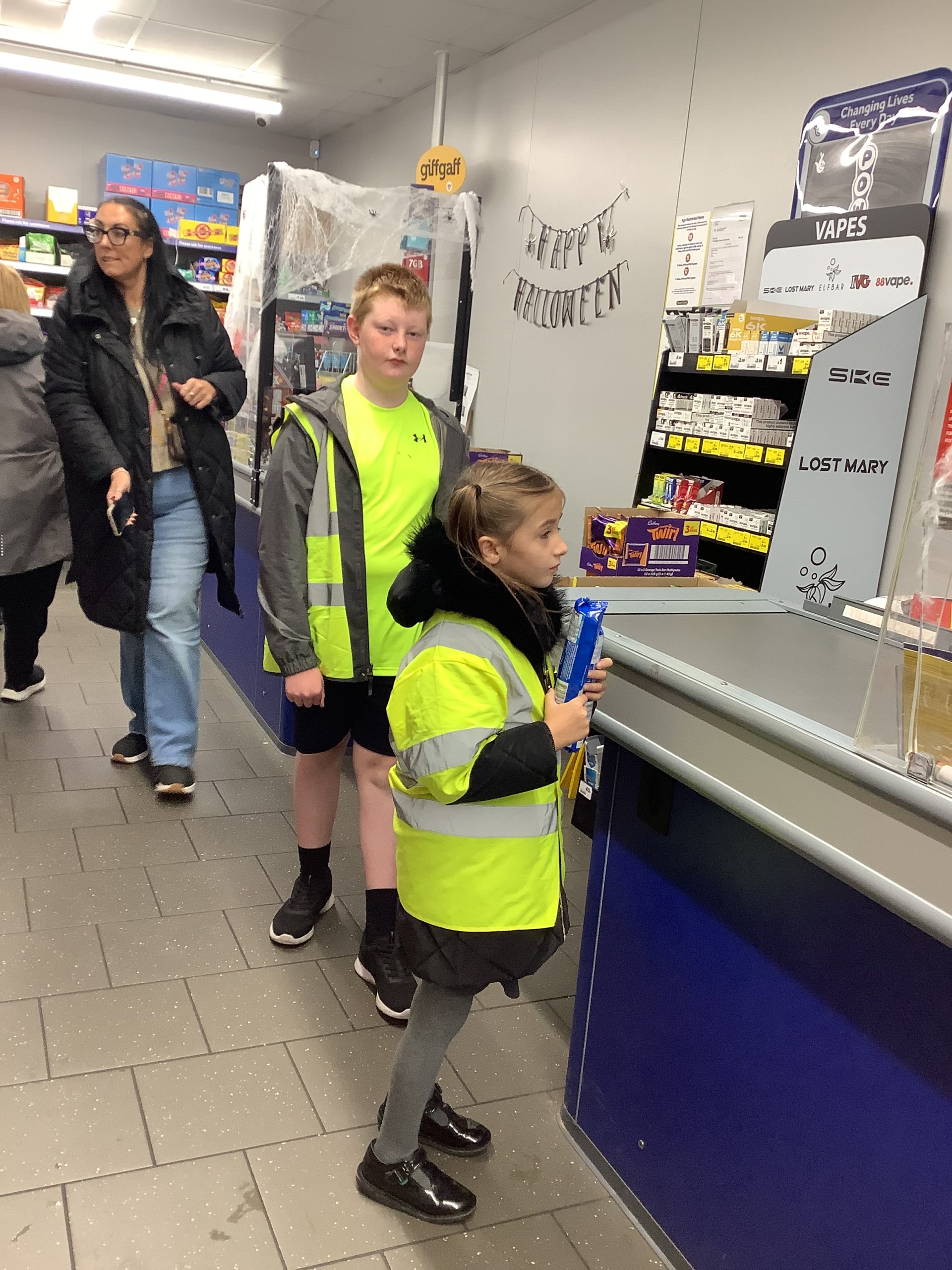
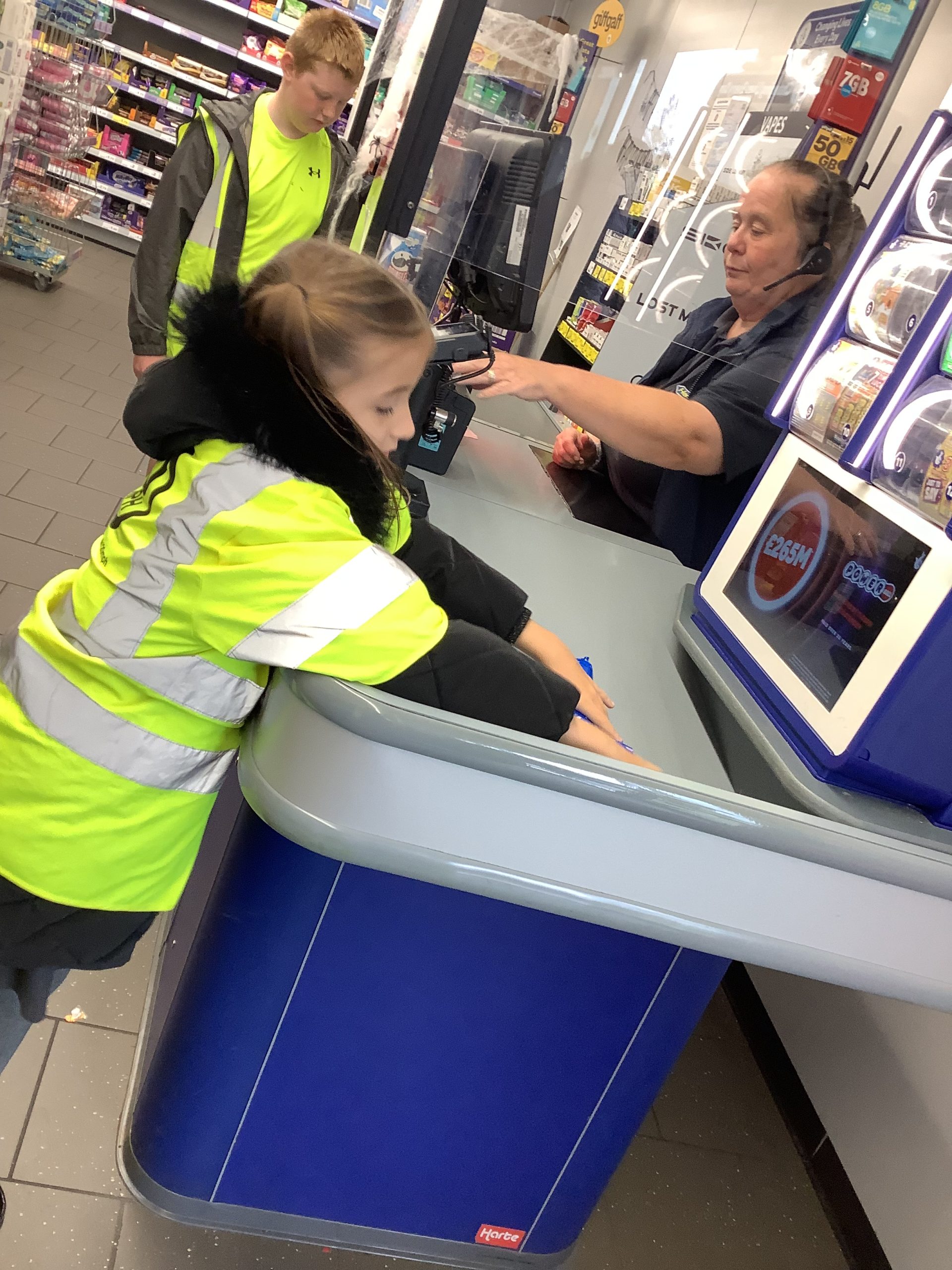
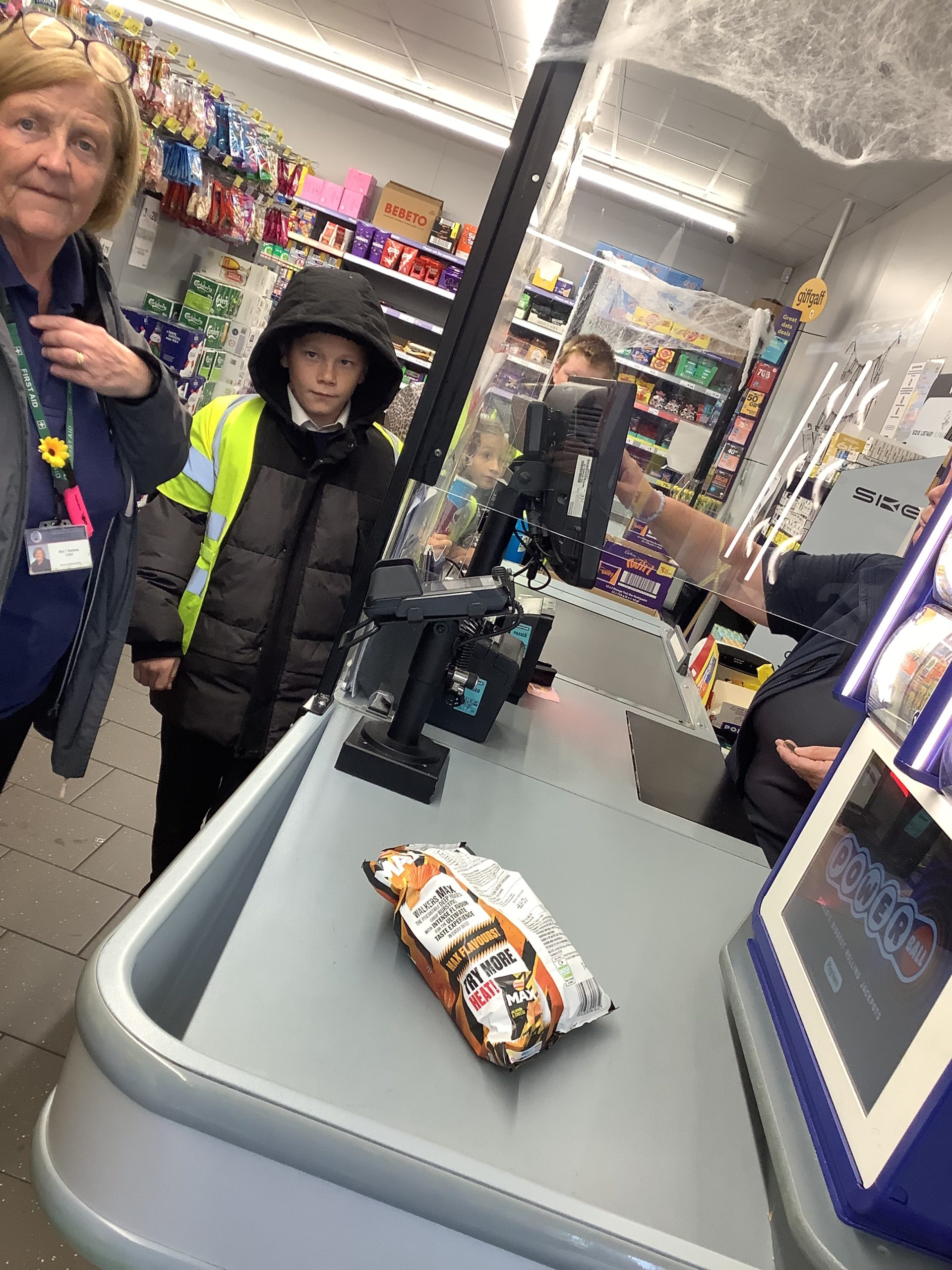
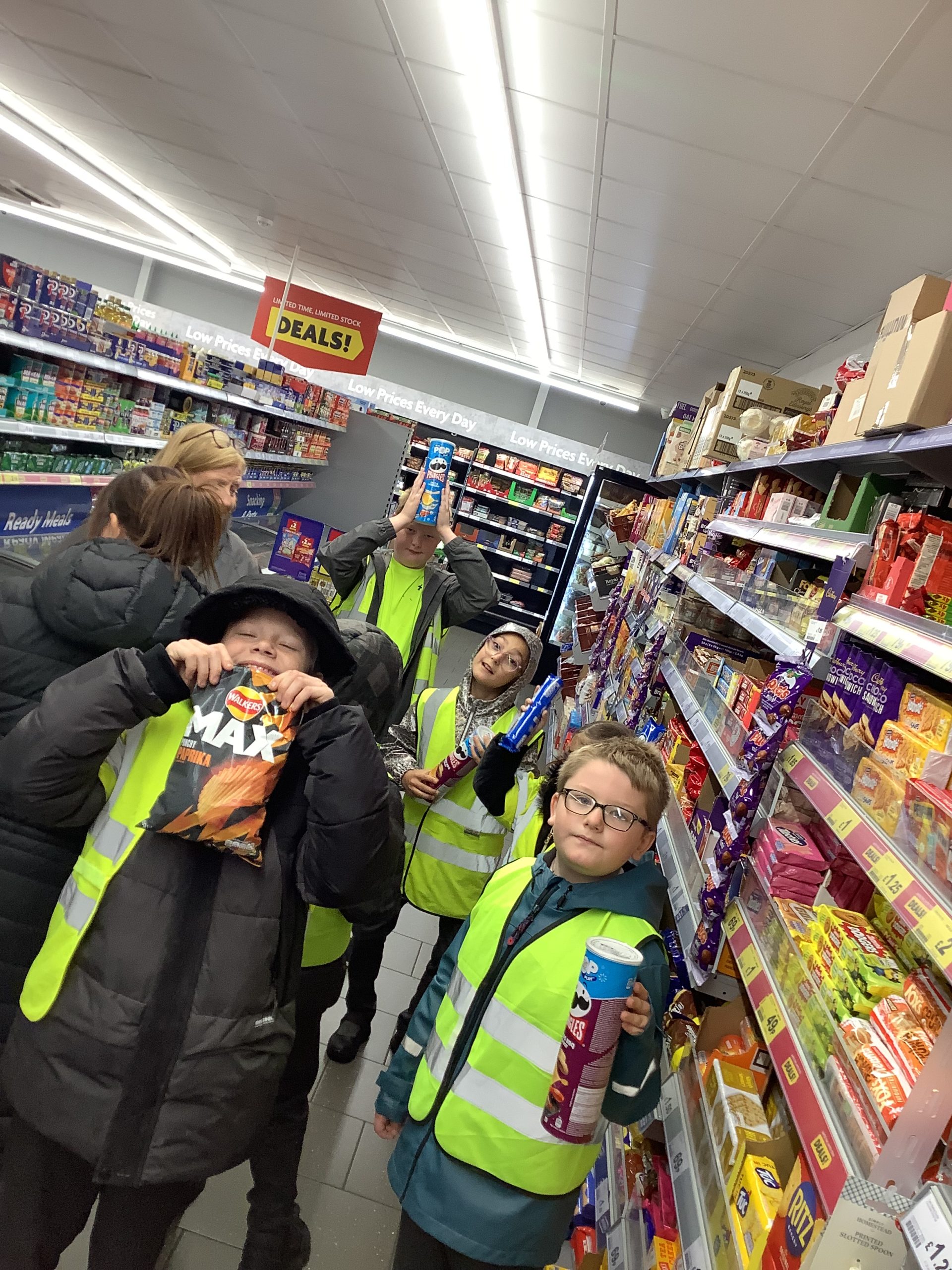
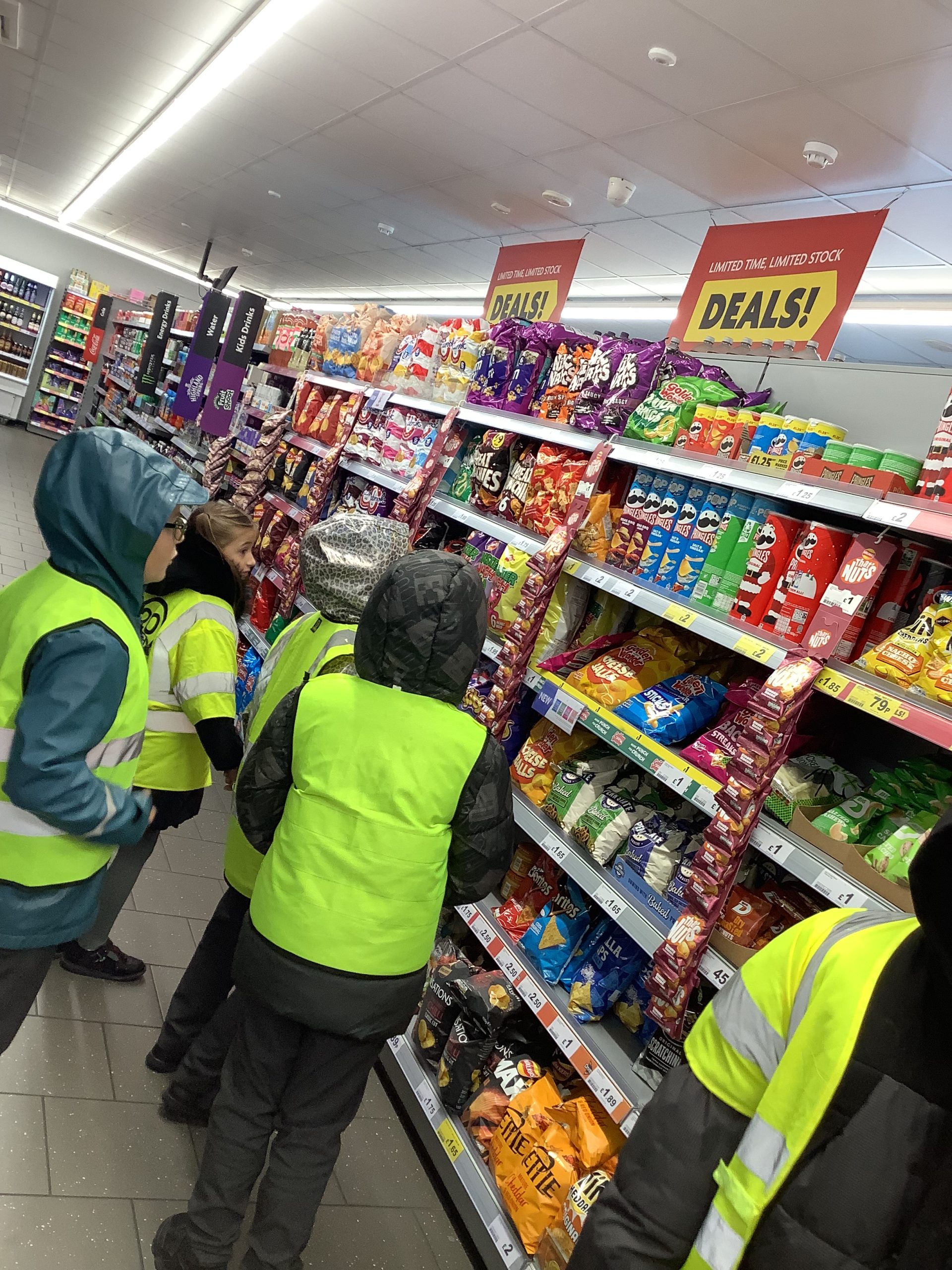
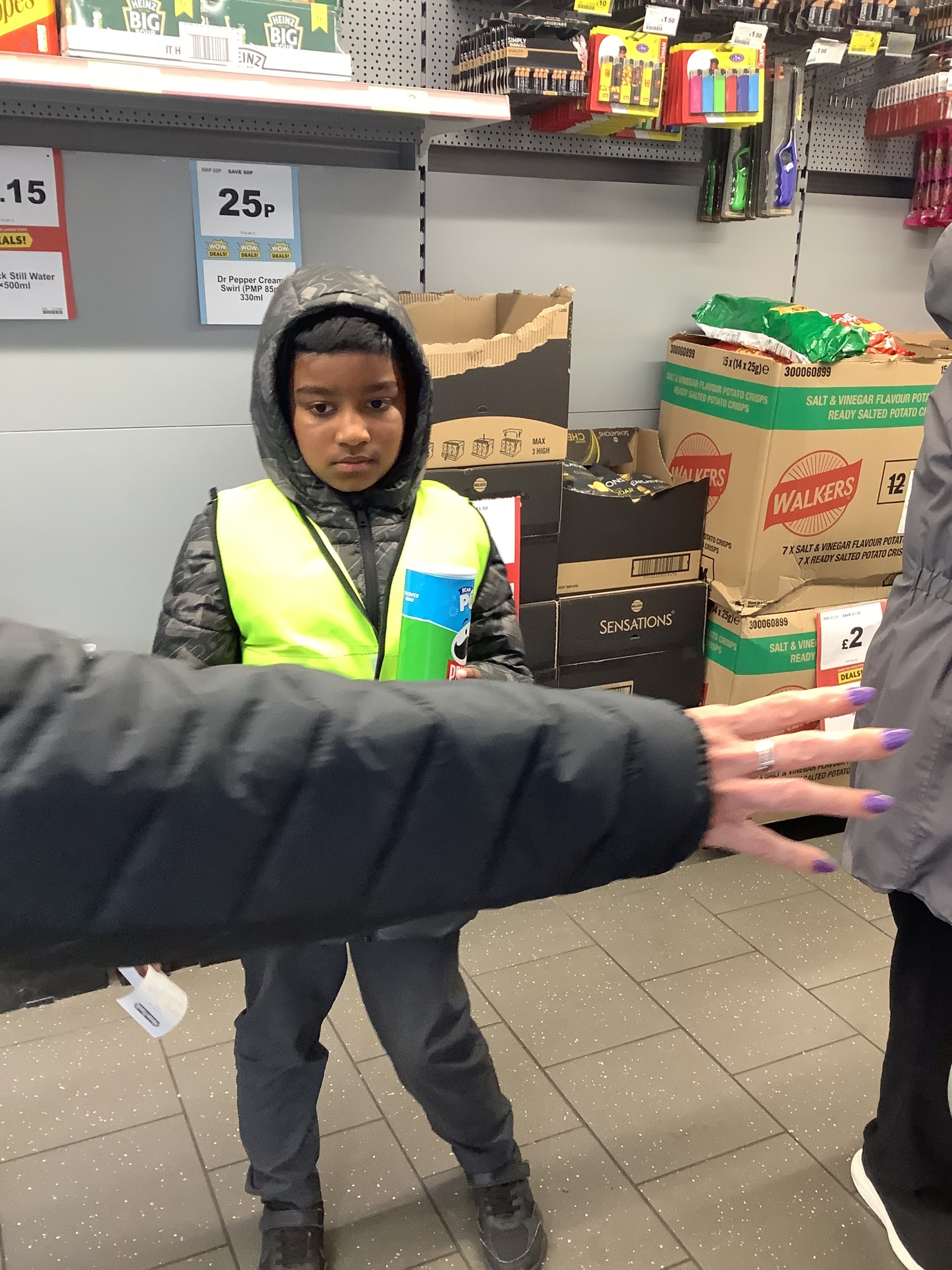
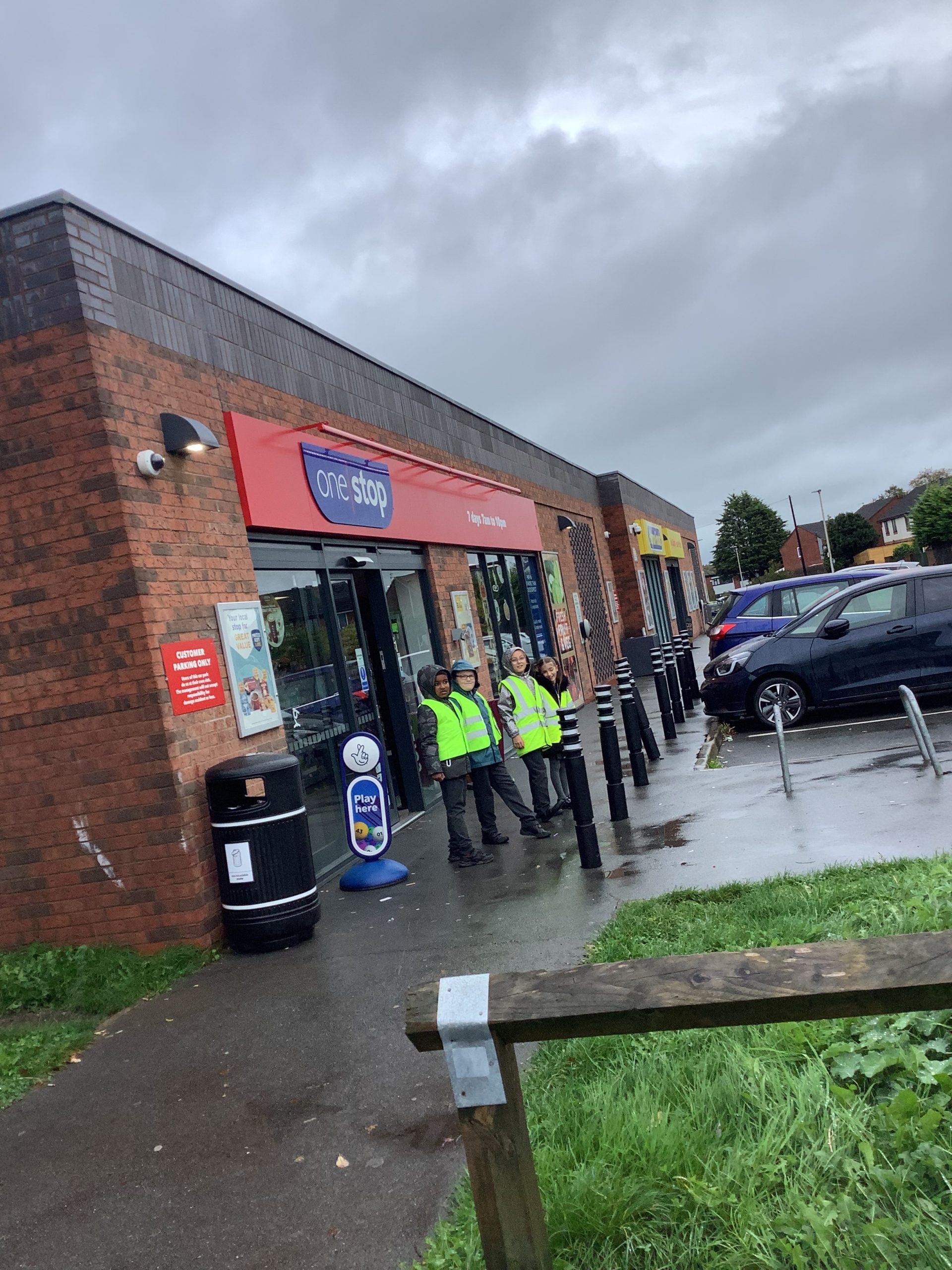
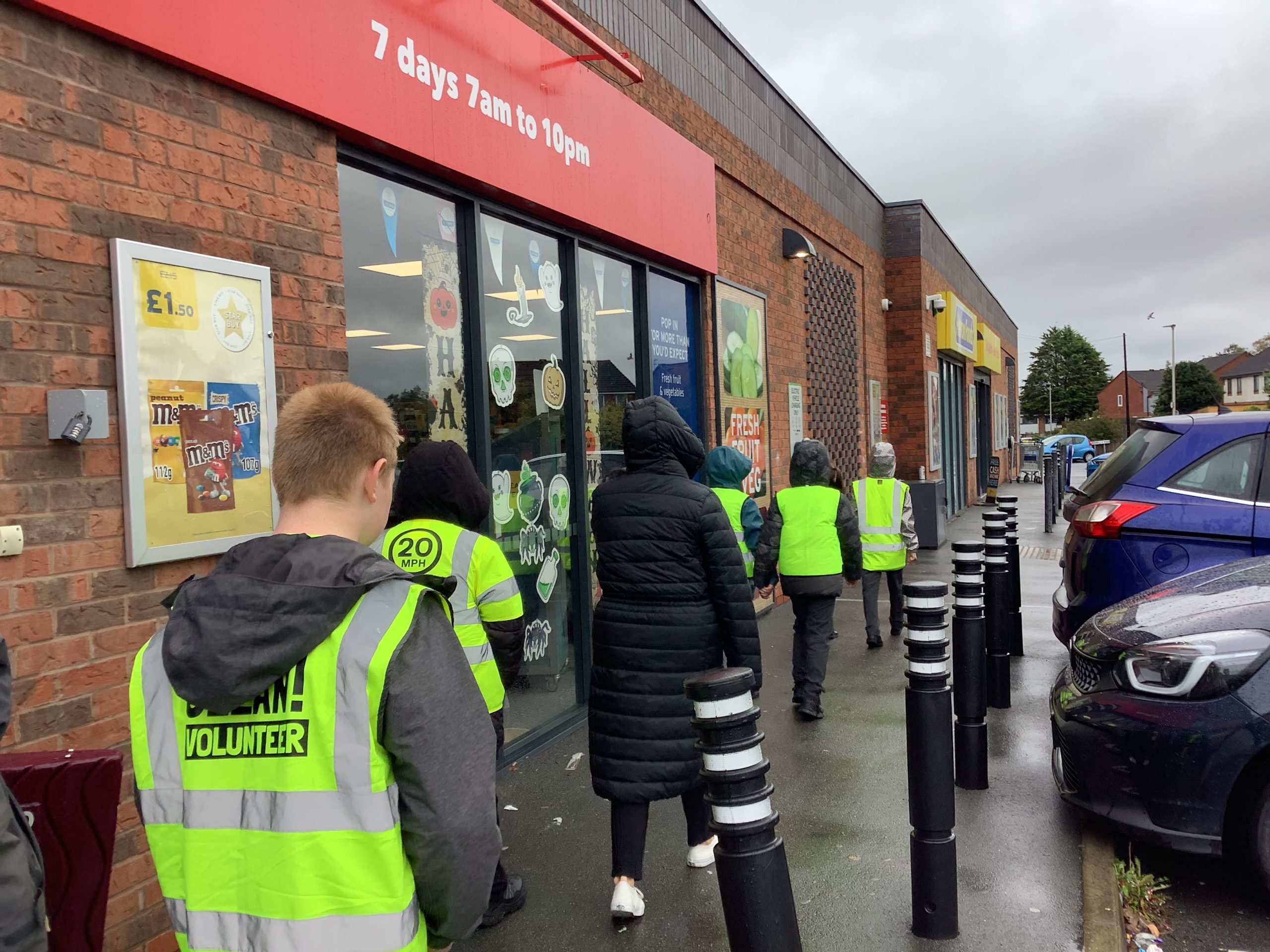
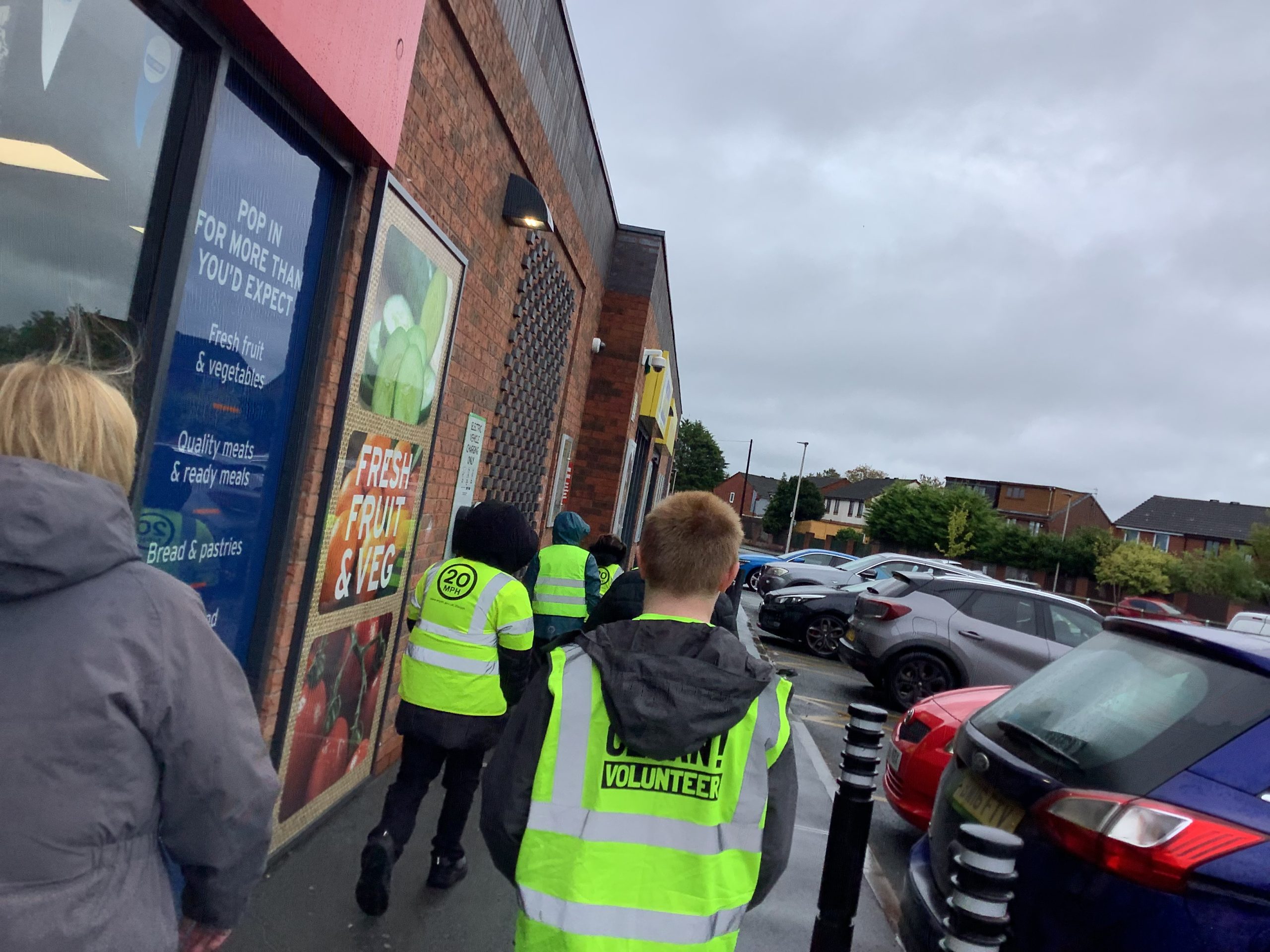
Today we took part in a fantastic life skills lesson all about going shopping! 🛒 We practised working out money, checking prices, making choices and paying for our items 💰 We also worked on important communication skills, including how to approach and talk politely to shop staff, asking for help when needed and saying please and thank you 🗣️😊
These activities help us to build confidence, independence and the skills we need for everyday life 🌟👏
Well done everyone for getting involved, giving it a go and developing such important life skills! 💙🙌
🪣😊 EYFS have been enjoying Bucket Time in the den!
Through fun and engaging activities, the children have been developing their attention and listening skills, communication, turn taking and ability to join in with others. 👂🗣️🤝
It’s wonderful to see everyone joining in, focusing and building confidence while learning through play! 🌟💛
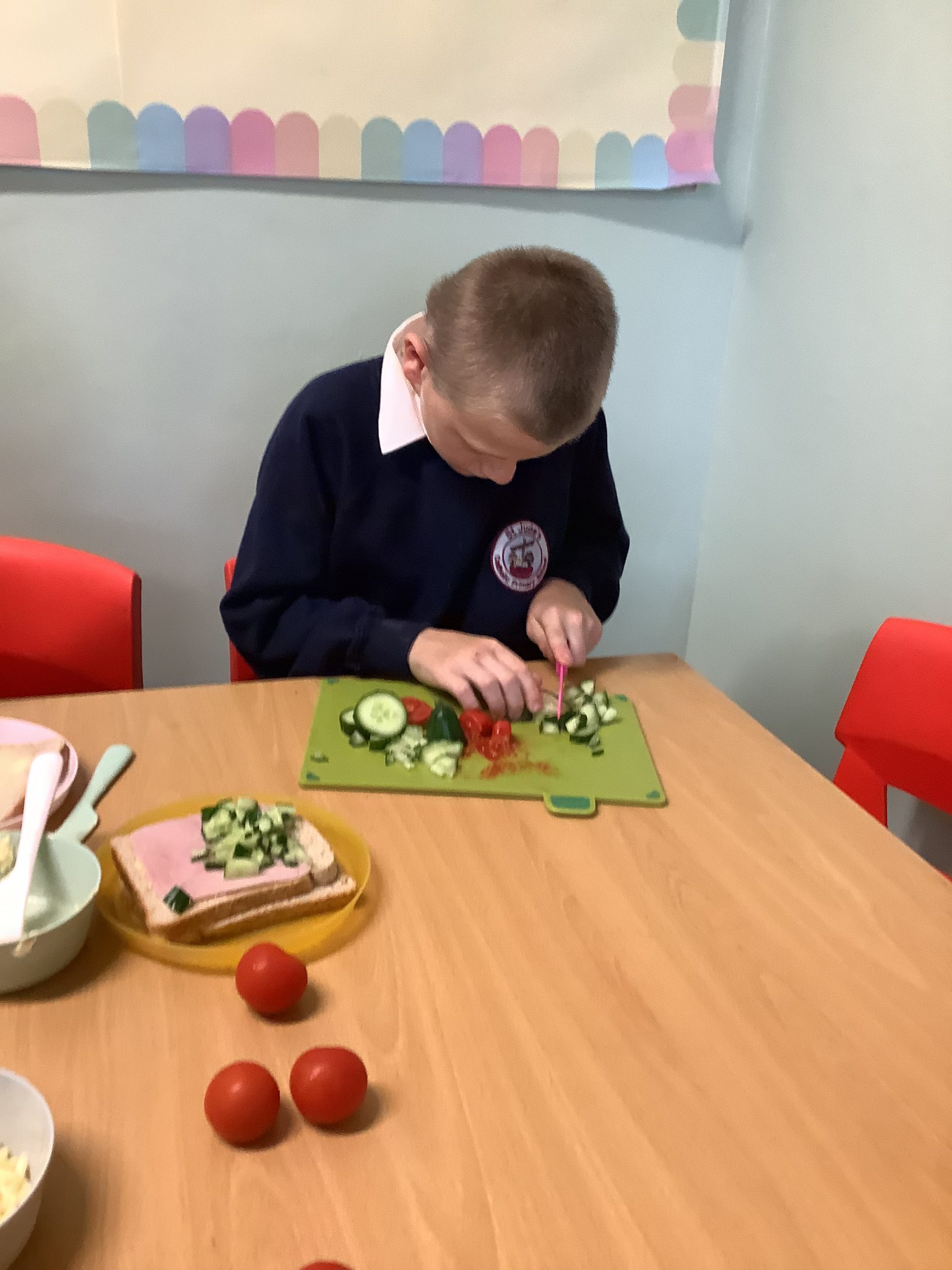
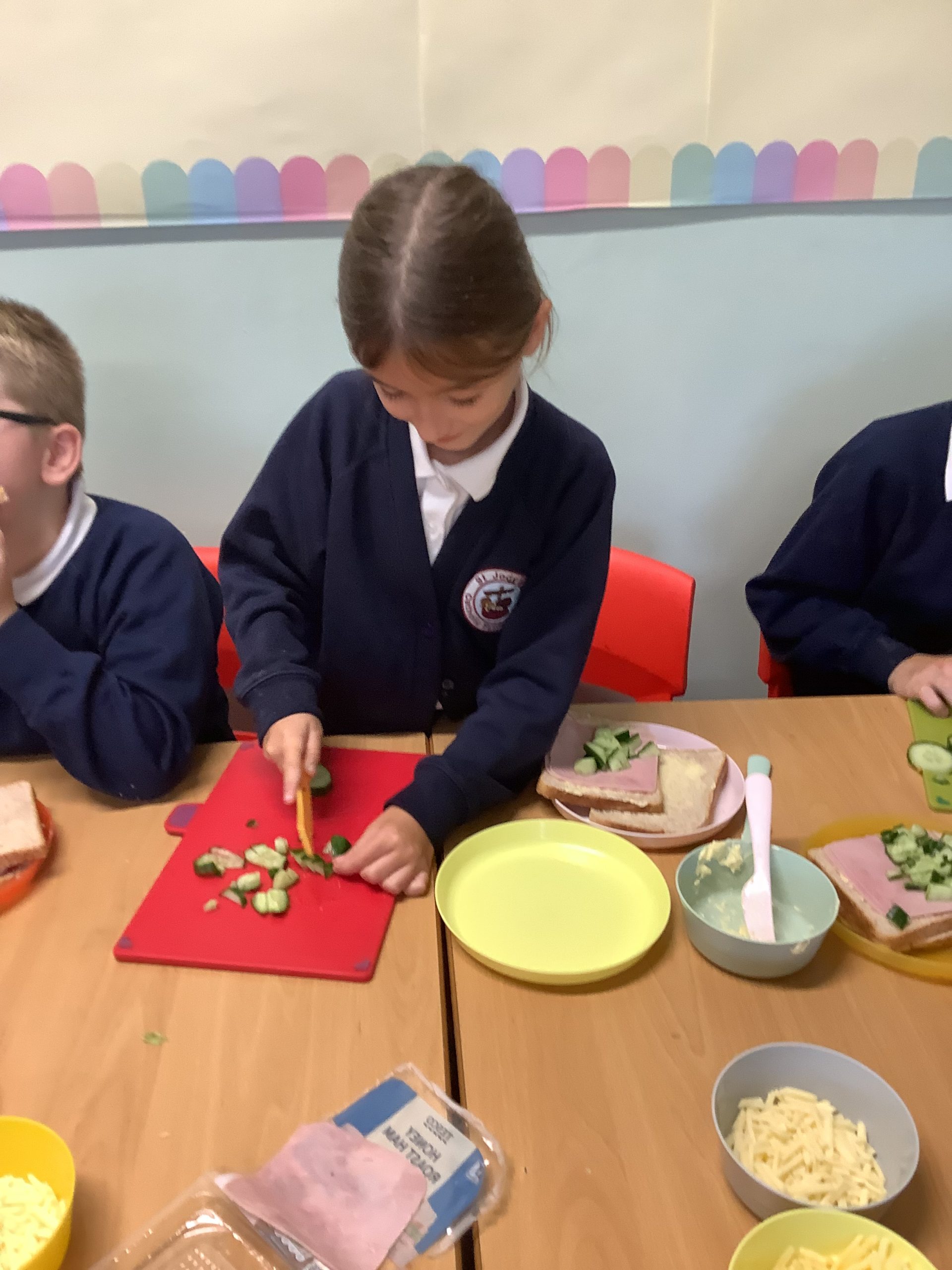
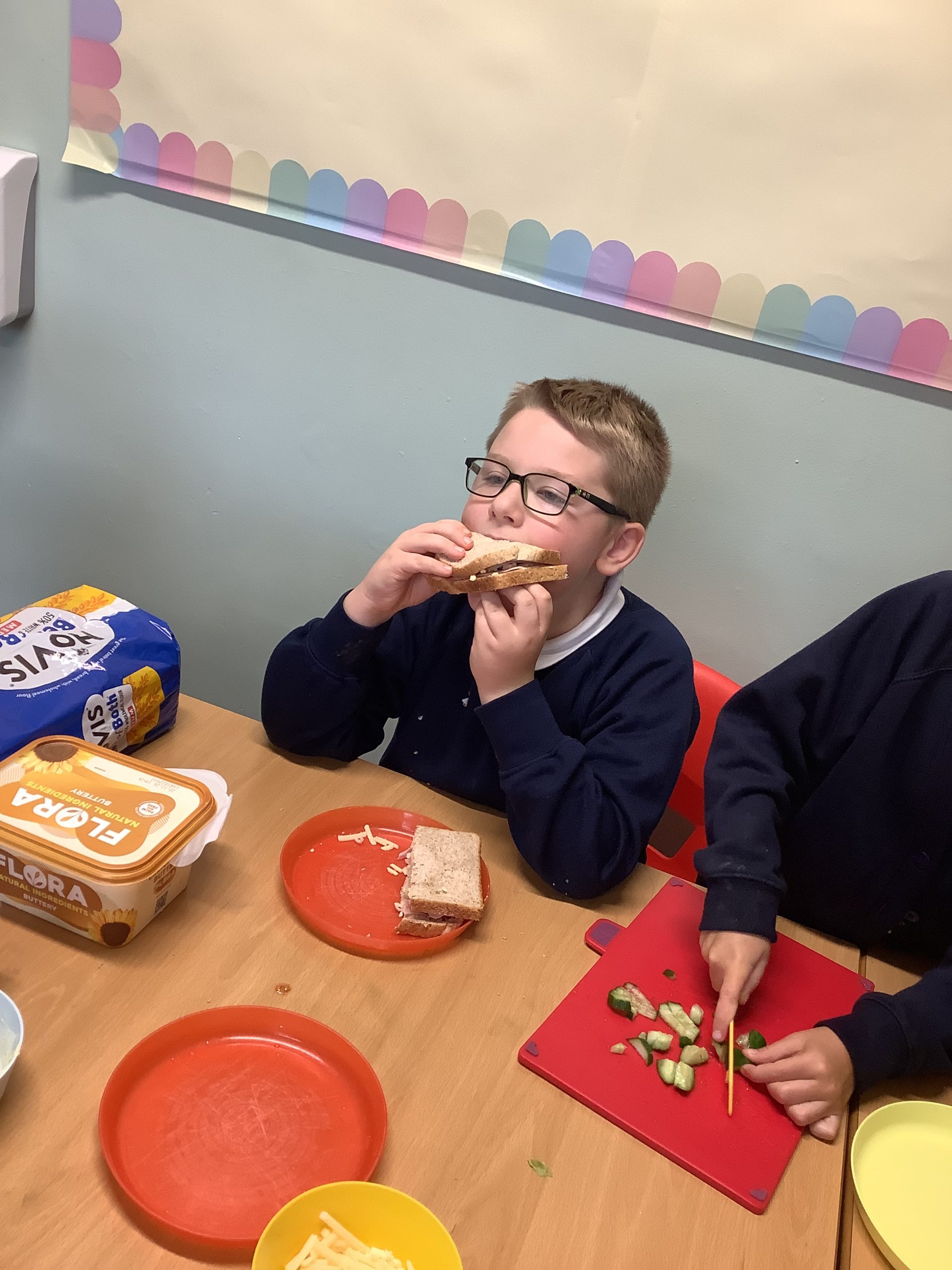
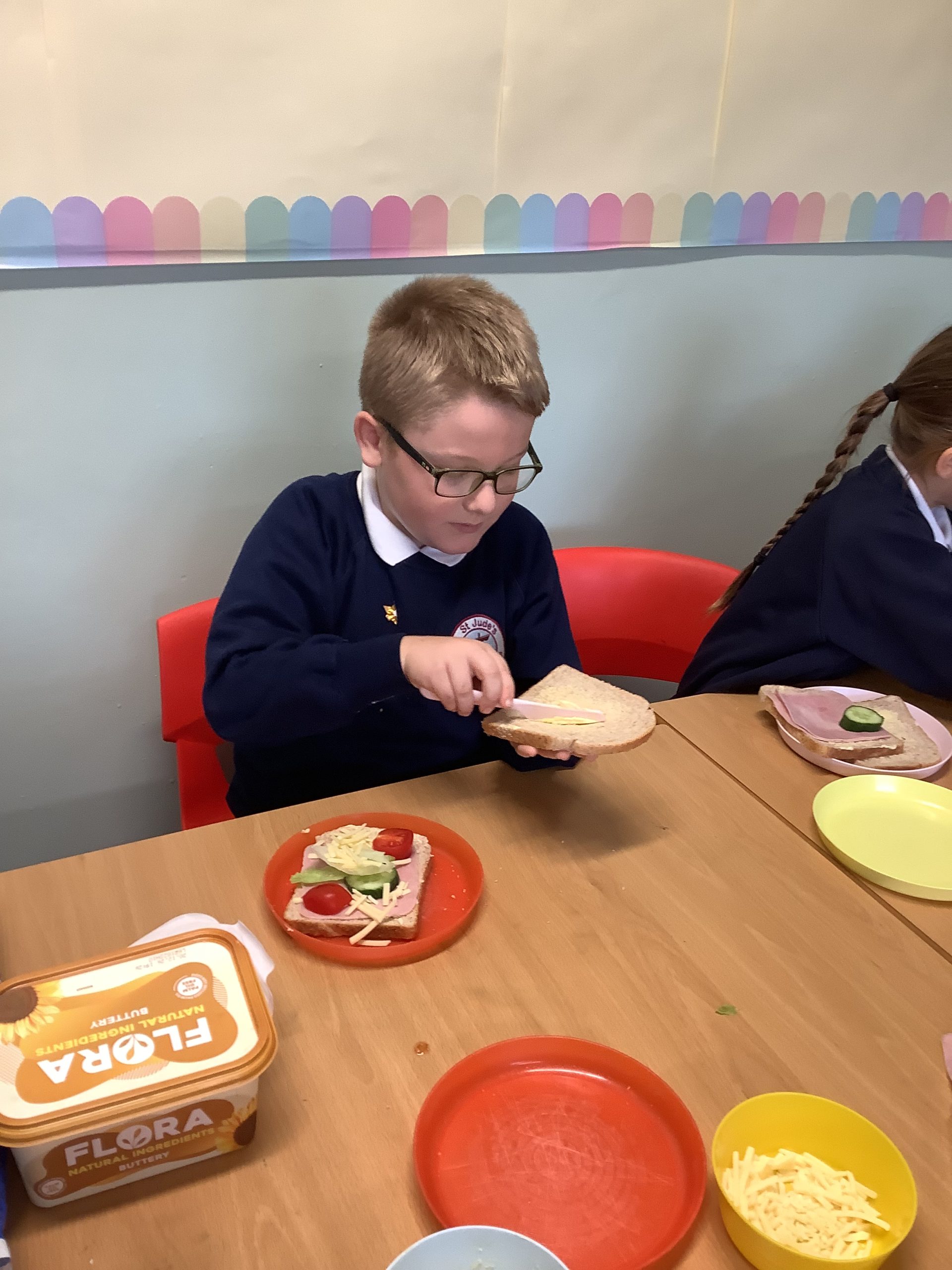
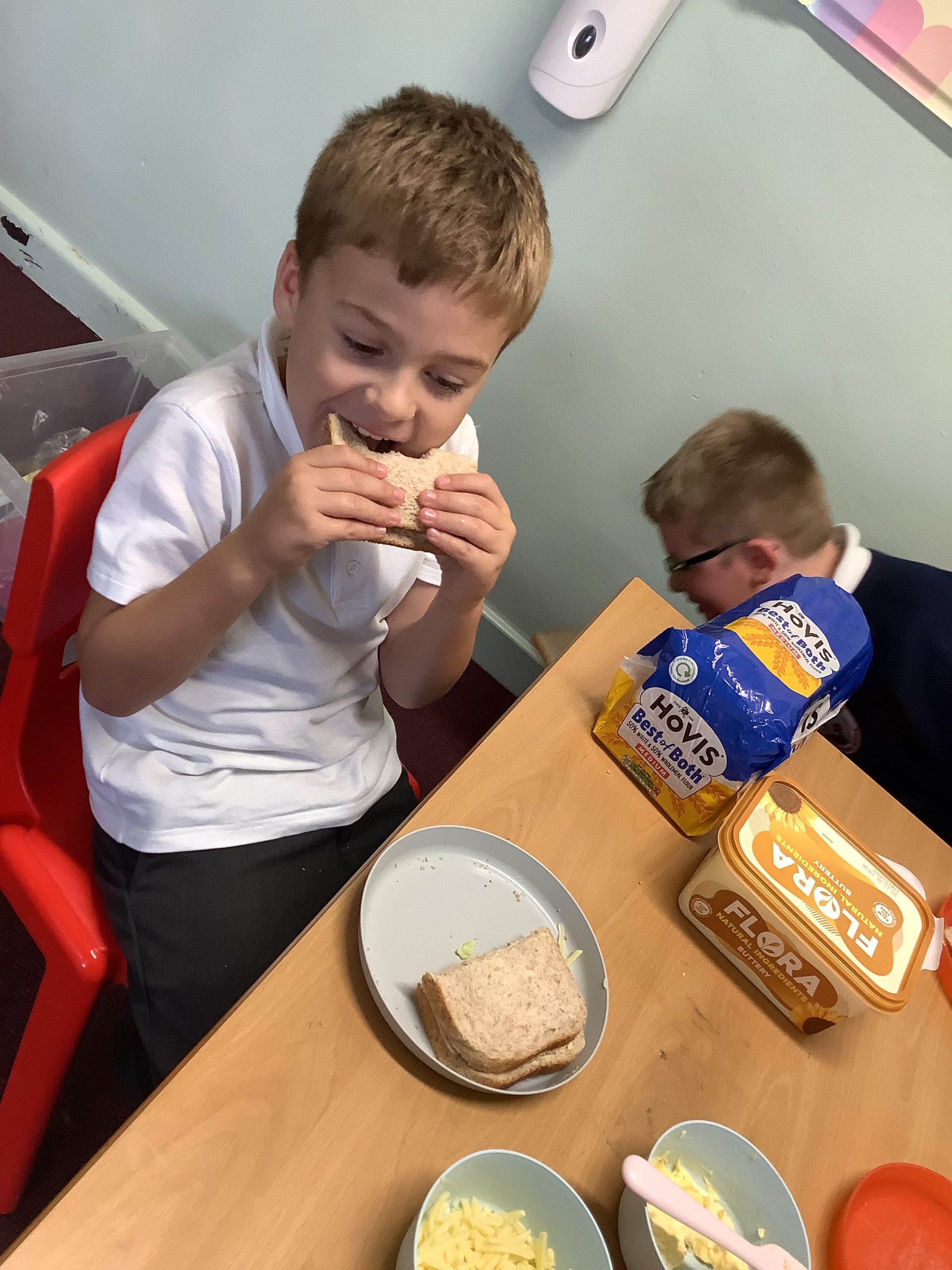
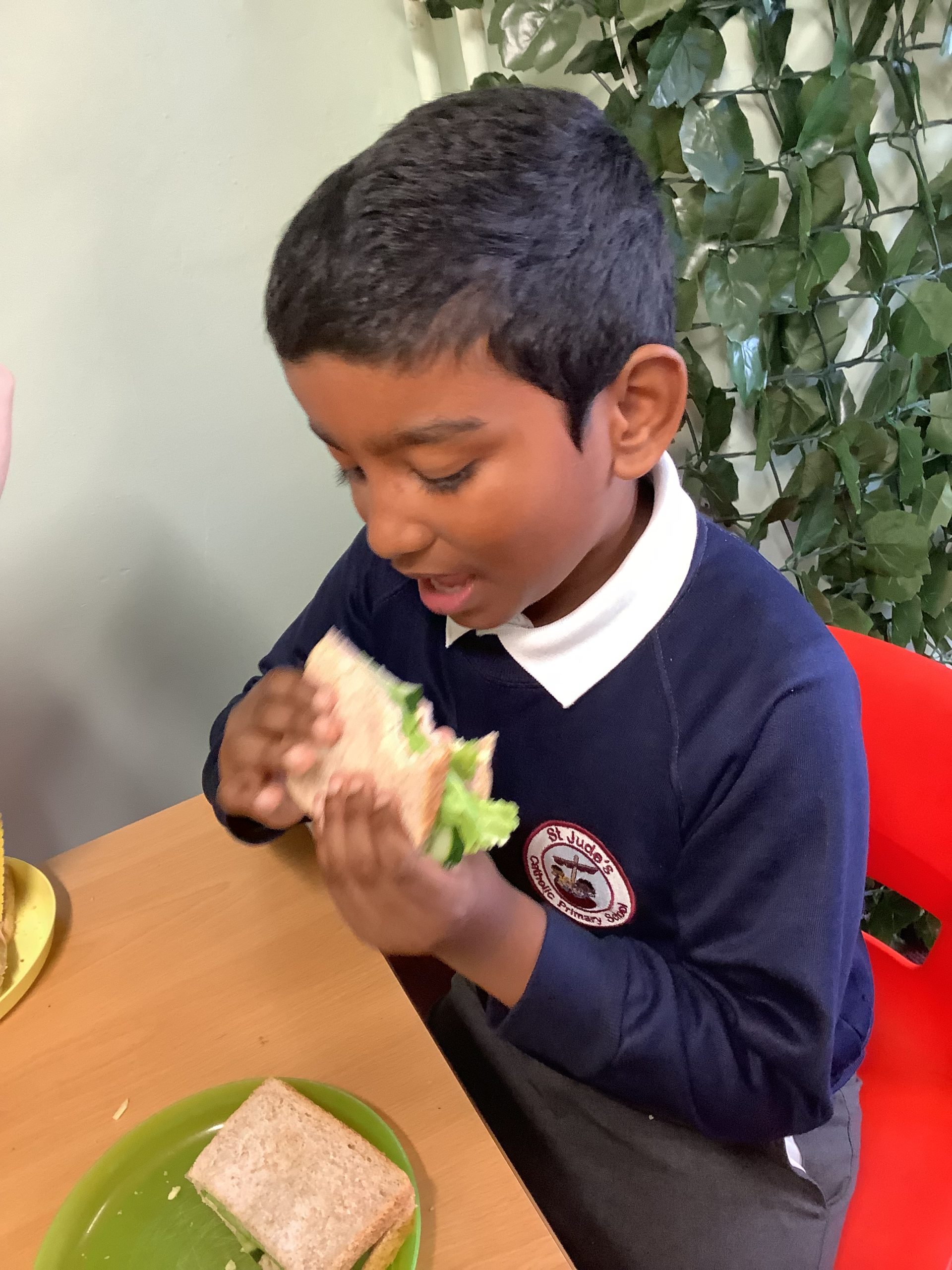
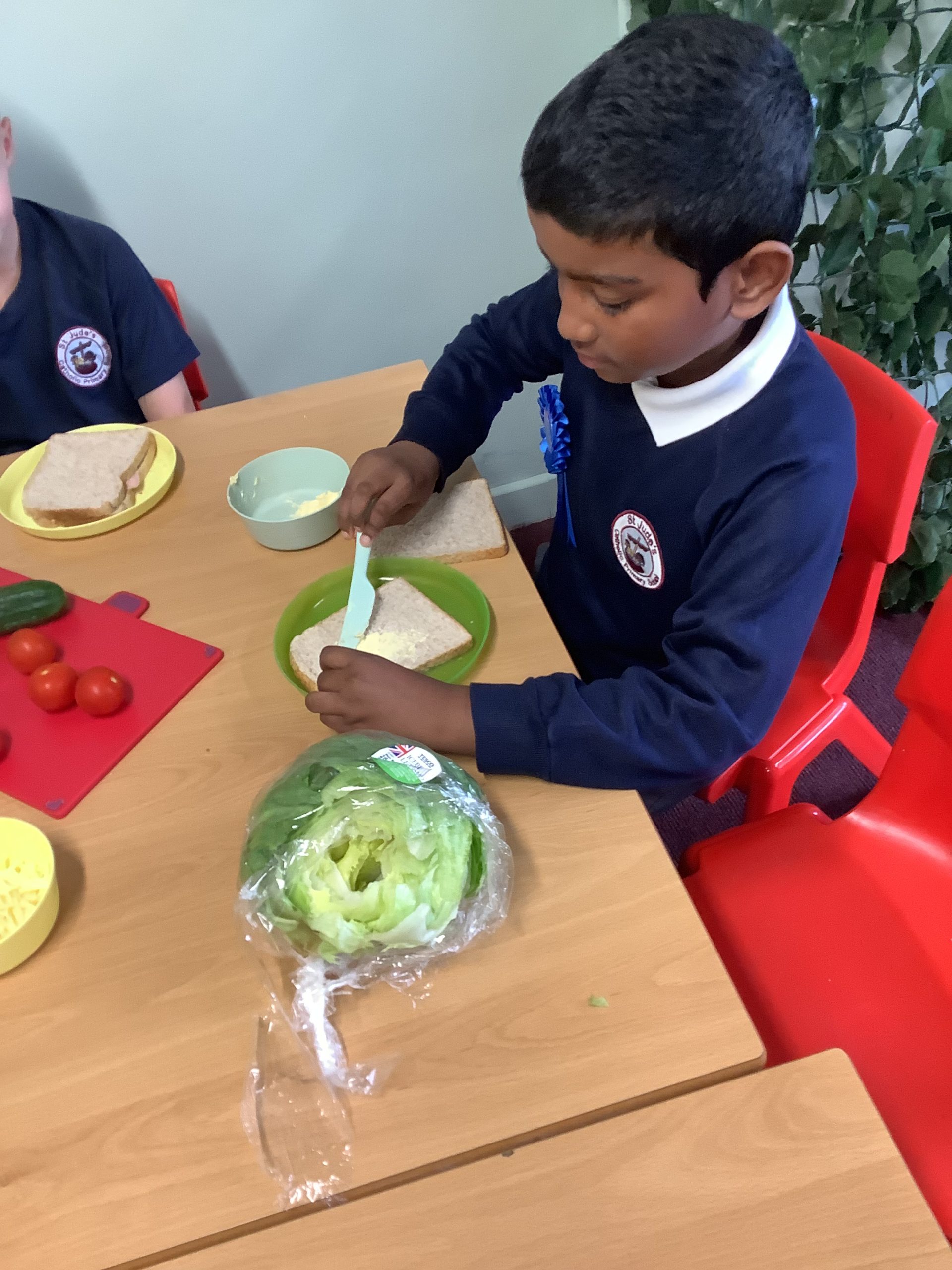
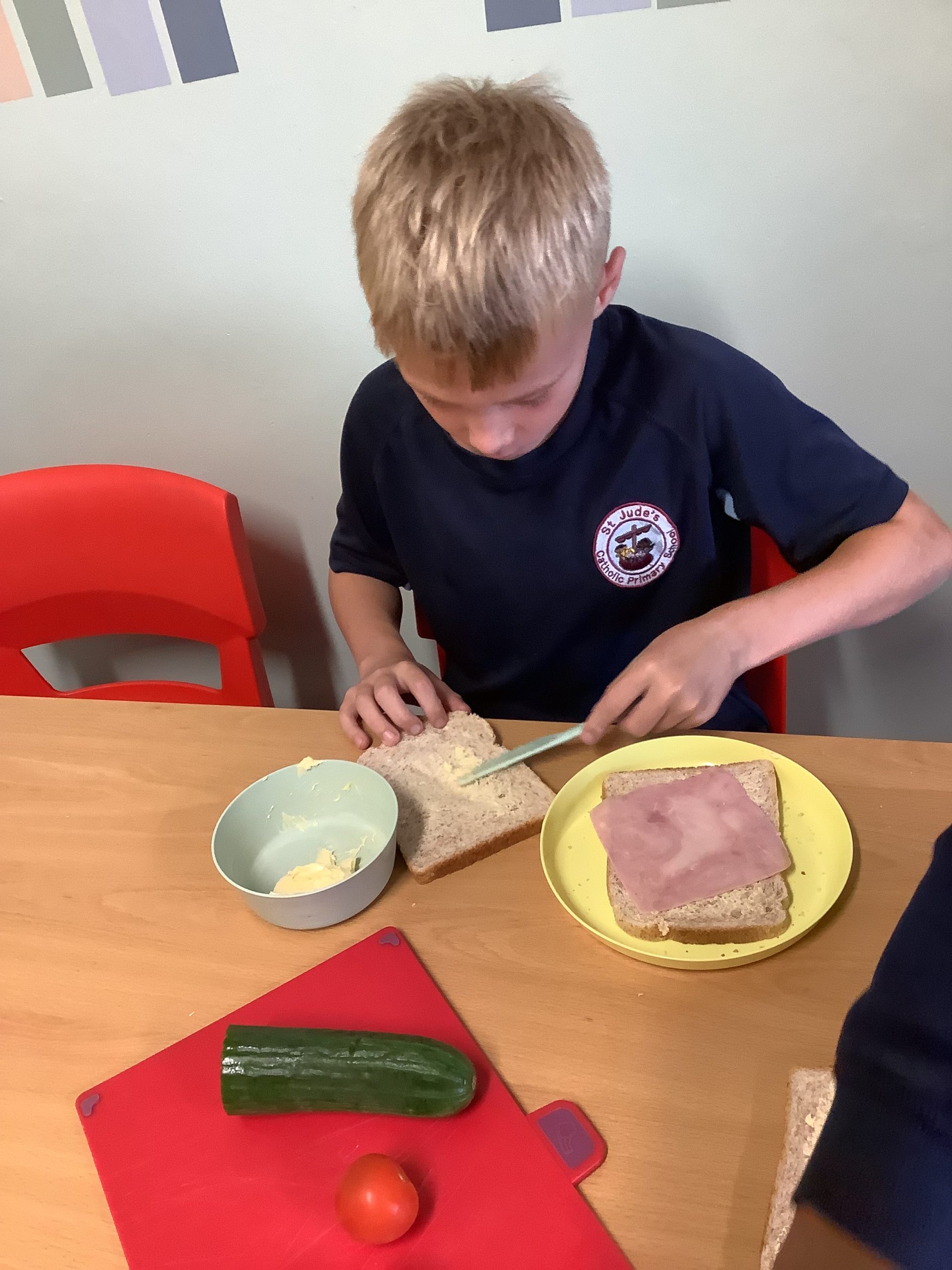
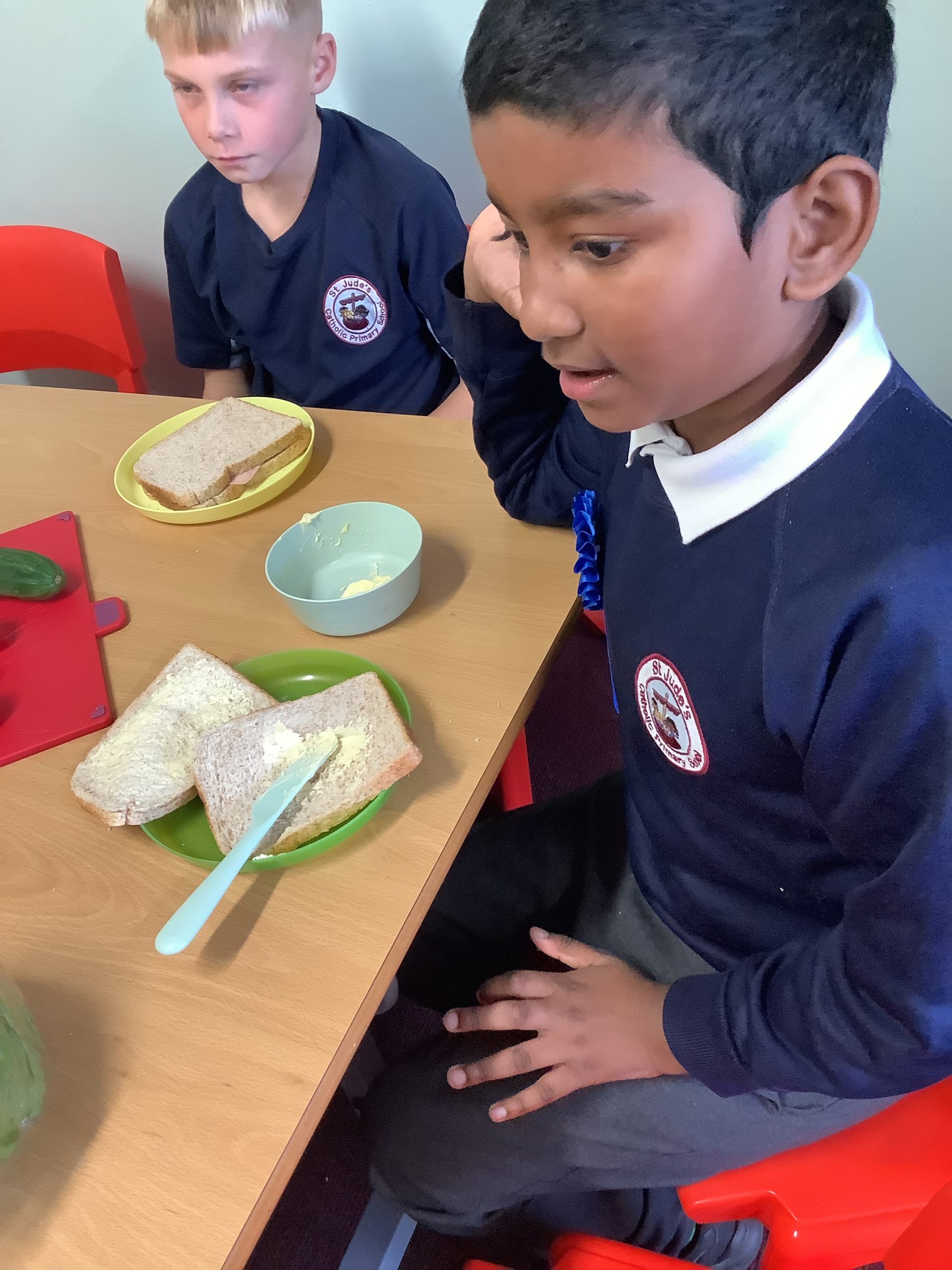
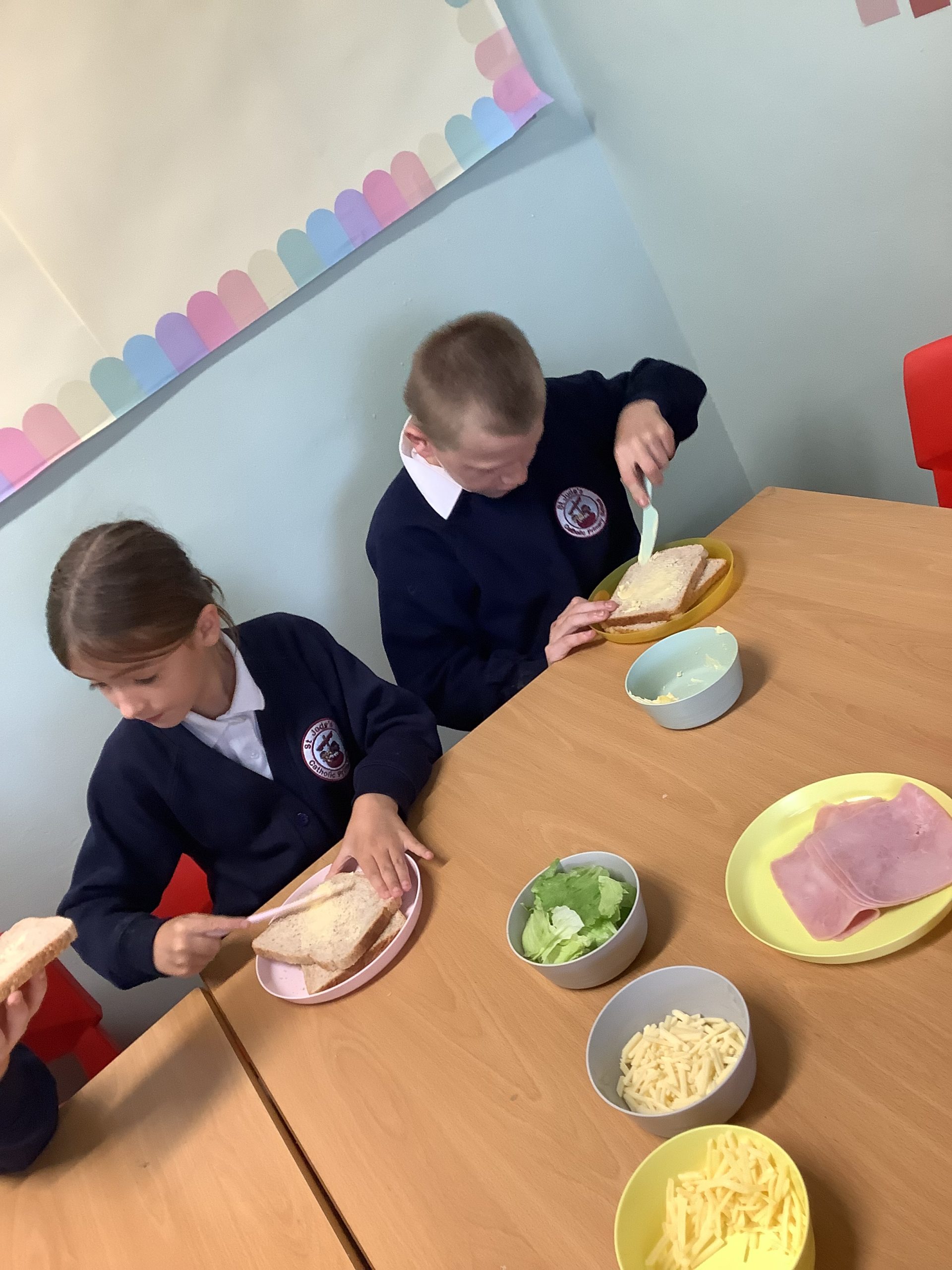
We have been busy making healthy sandwiches, working together and practising lots of important skills along the way. 😊
The children enjoyed choosing their ingredients, spreading, assembling and preparing their own sandwiches while developing independence, communication and teamwork skills. 👩🍳👨🍳
A fun and practical way to learn, build confidence and enjoy making healthy choices! 🥗🥪✨
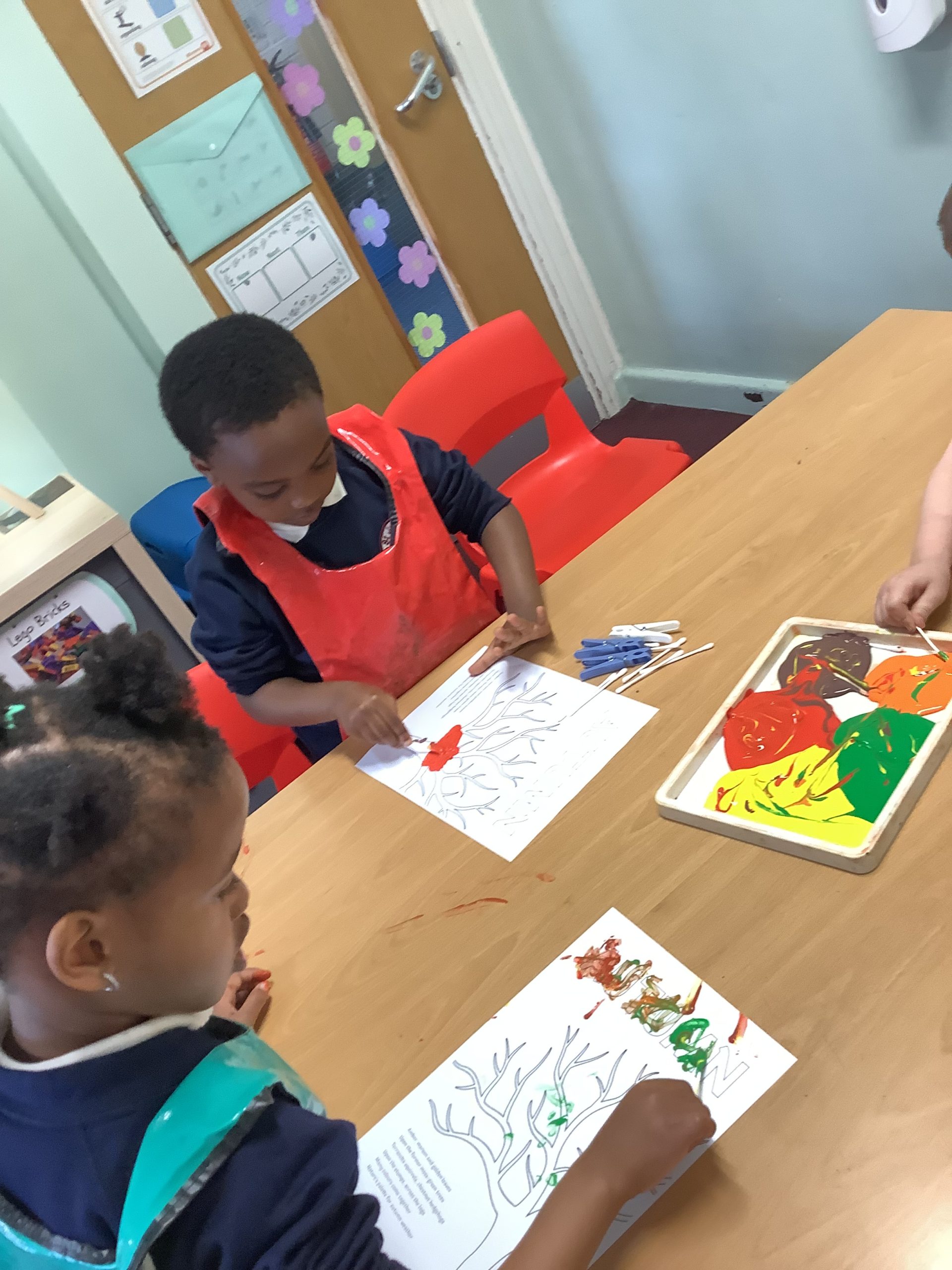
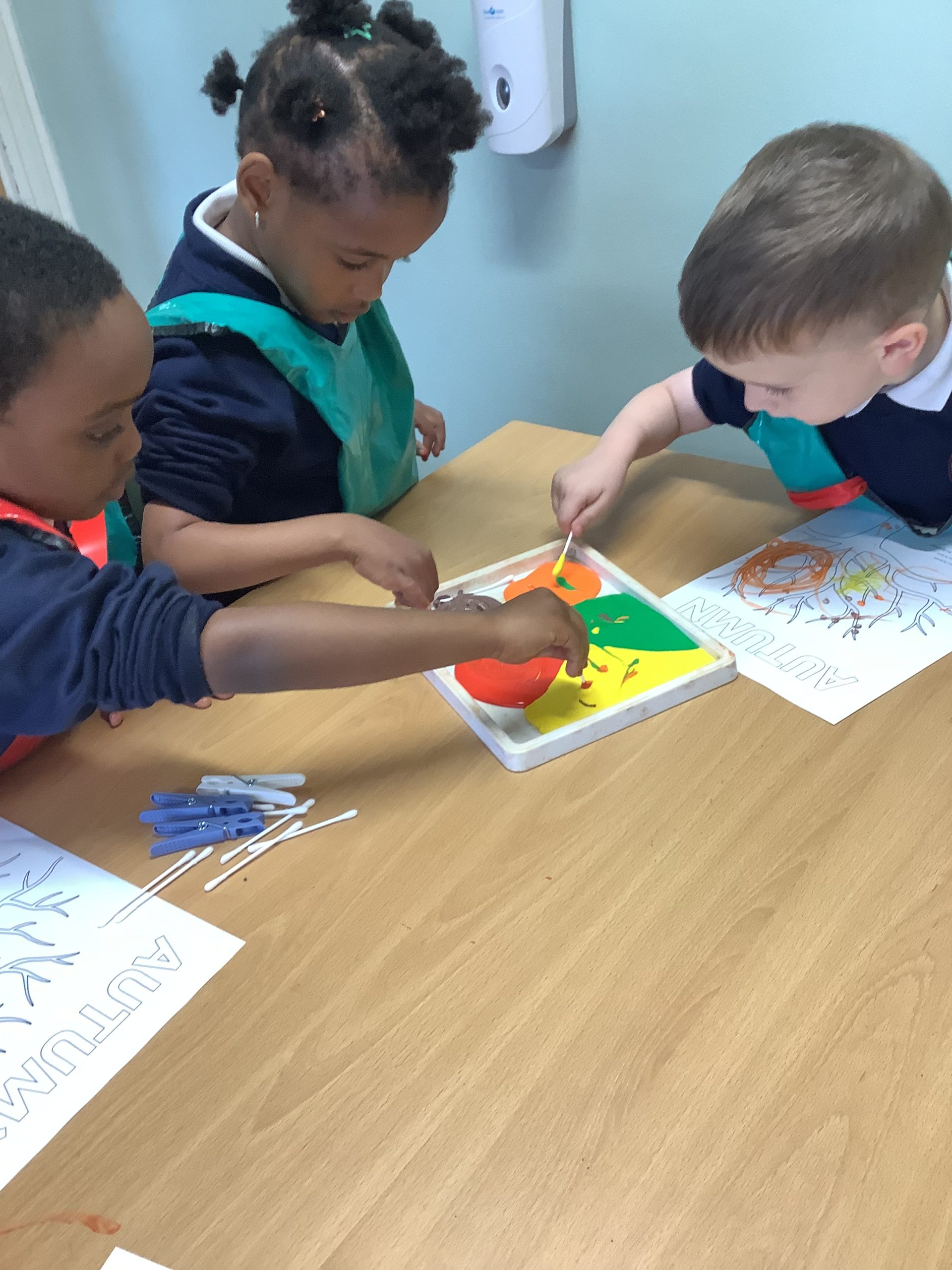
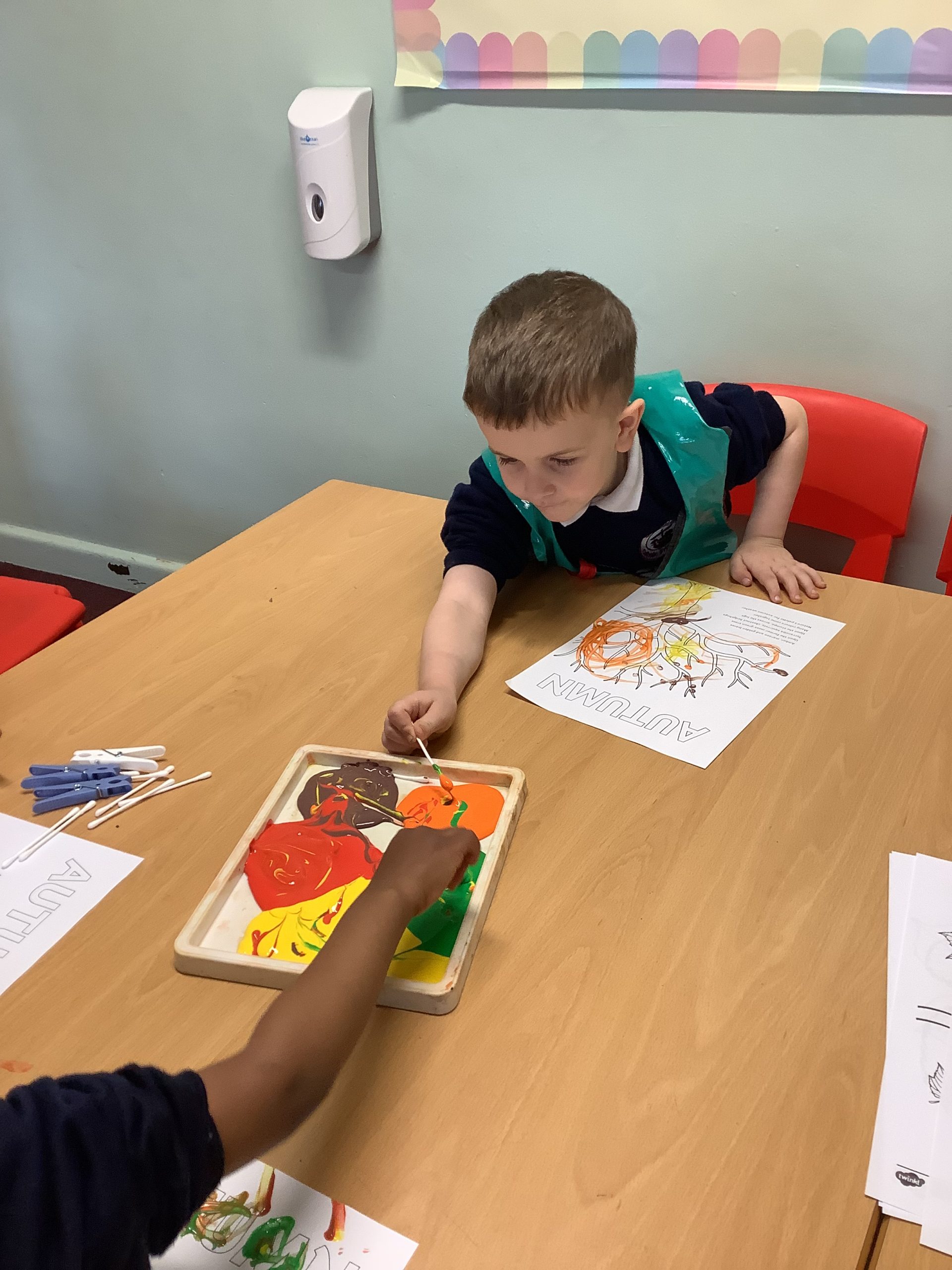
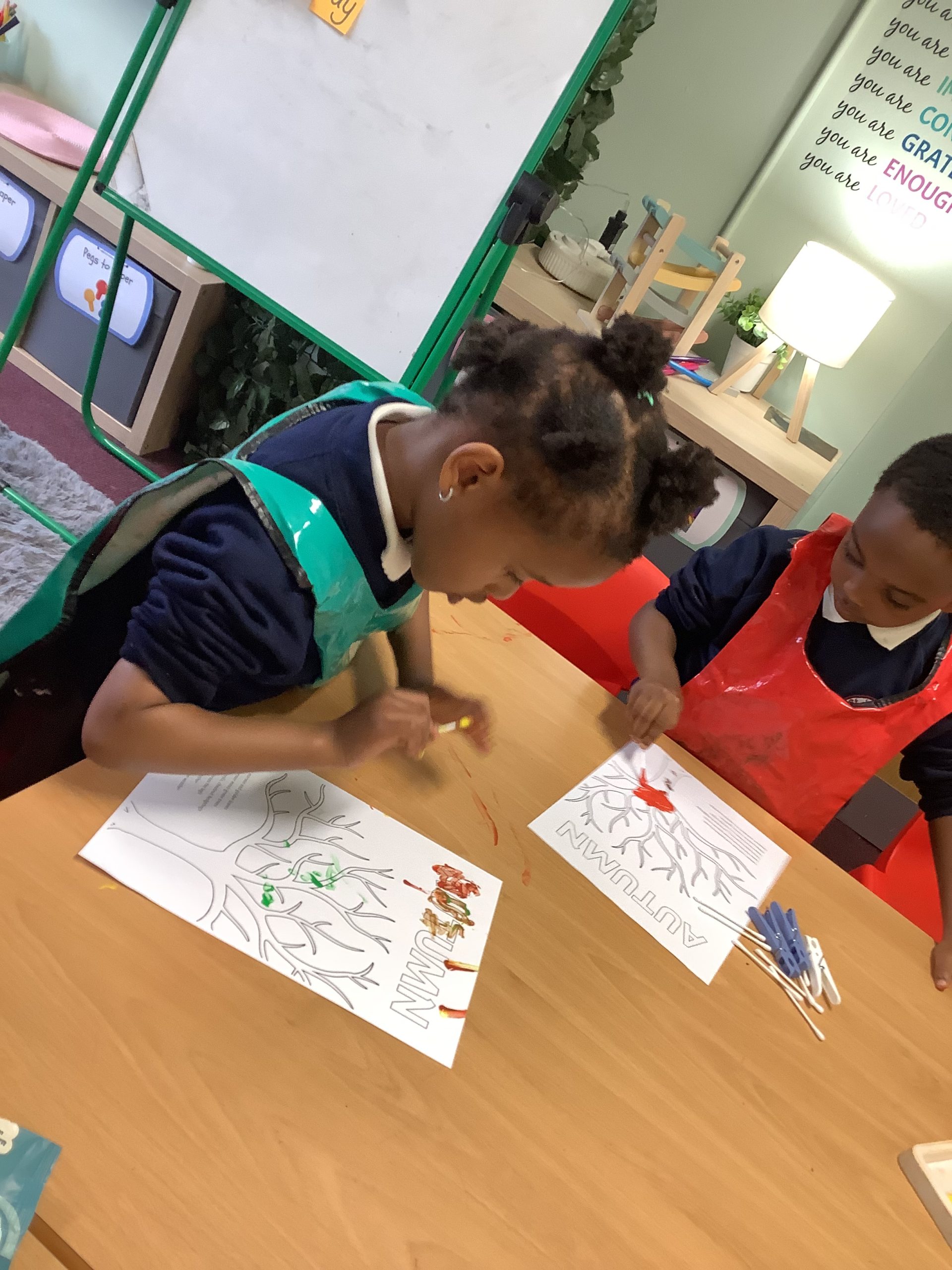
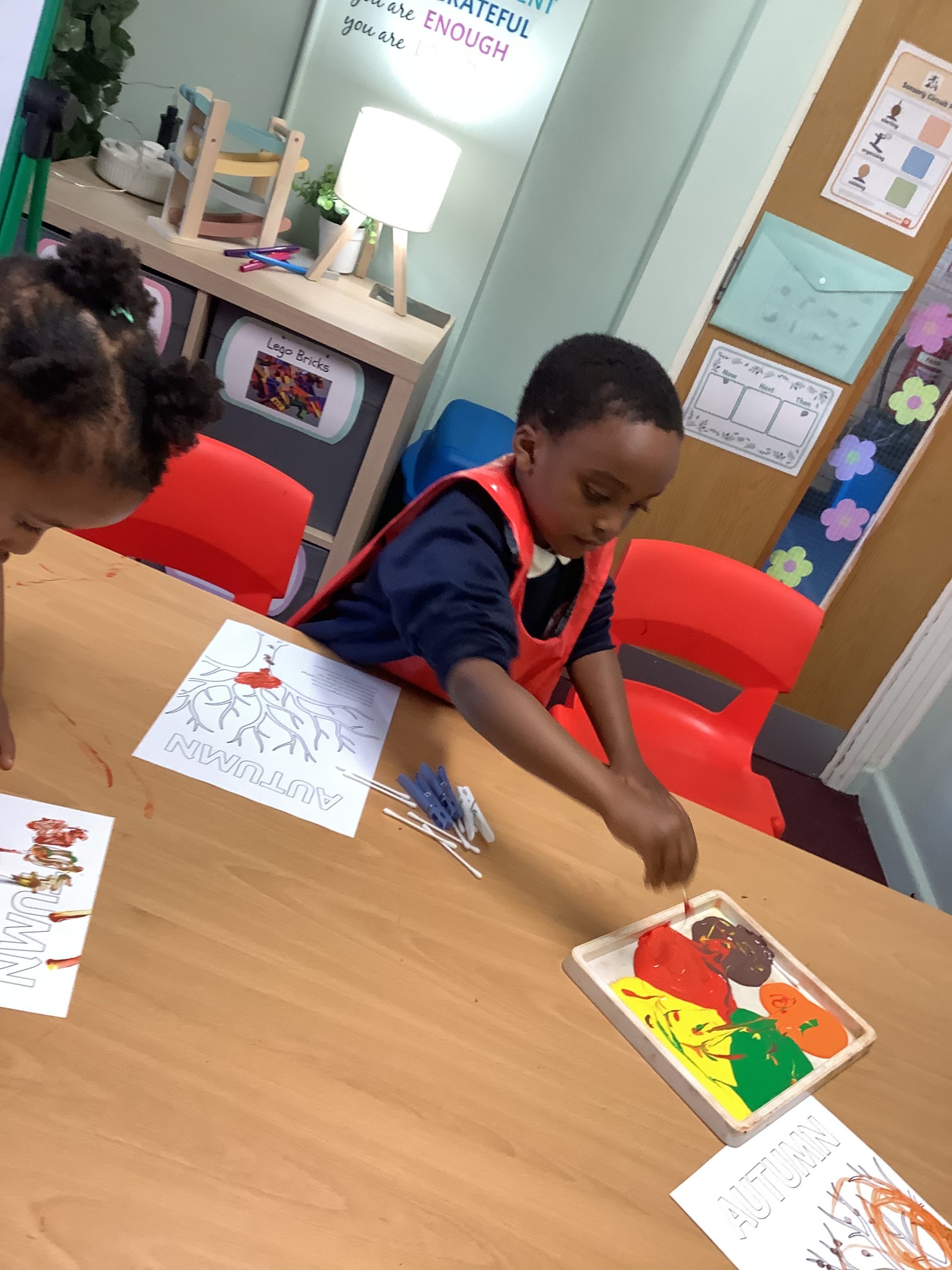
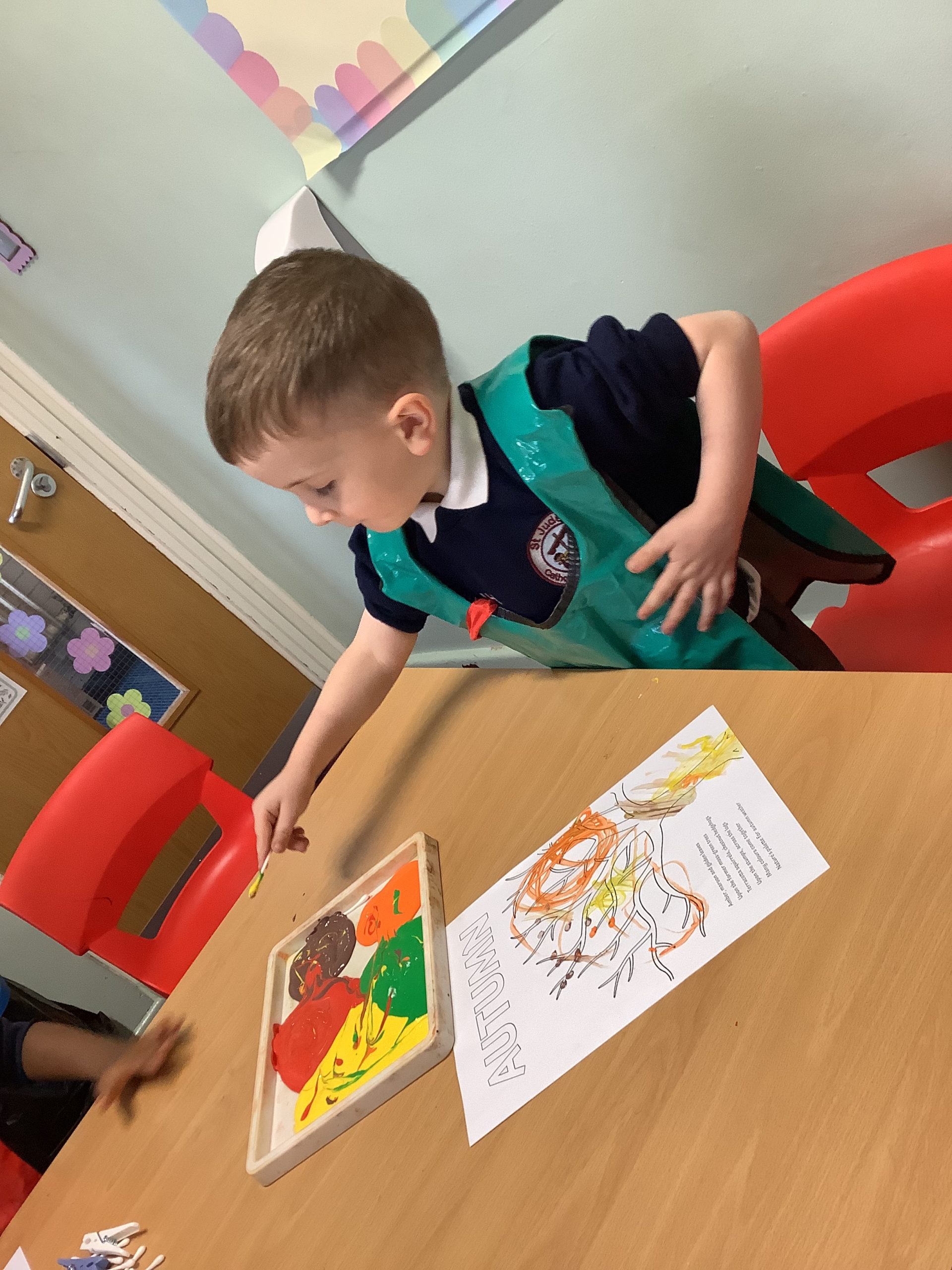
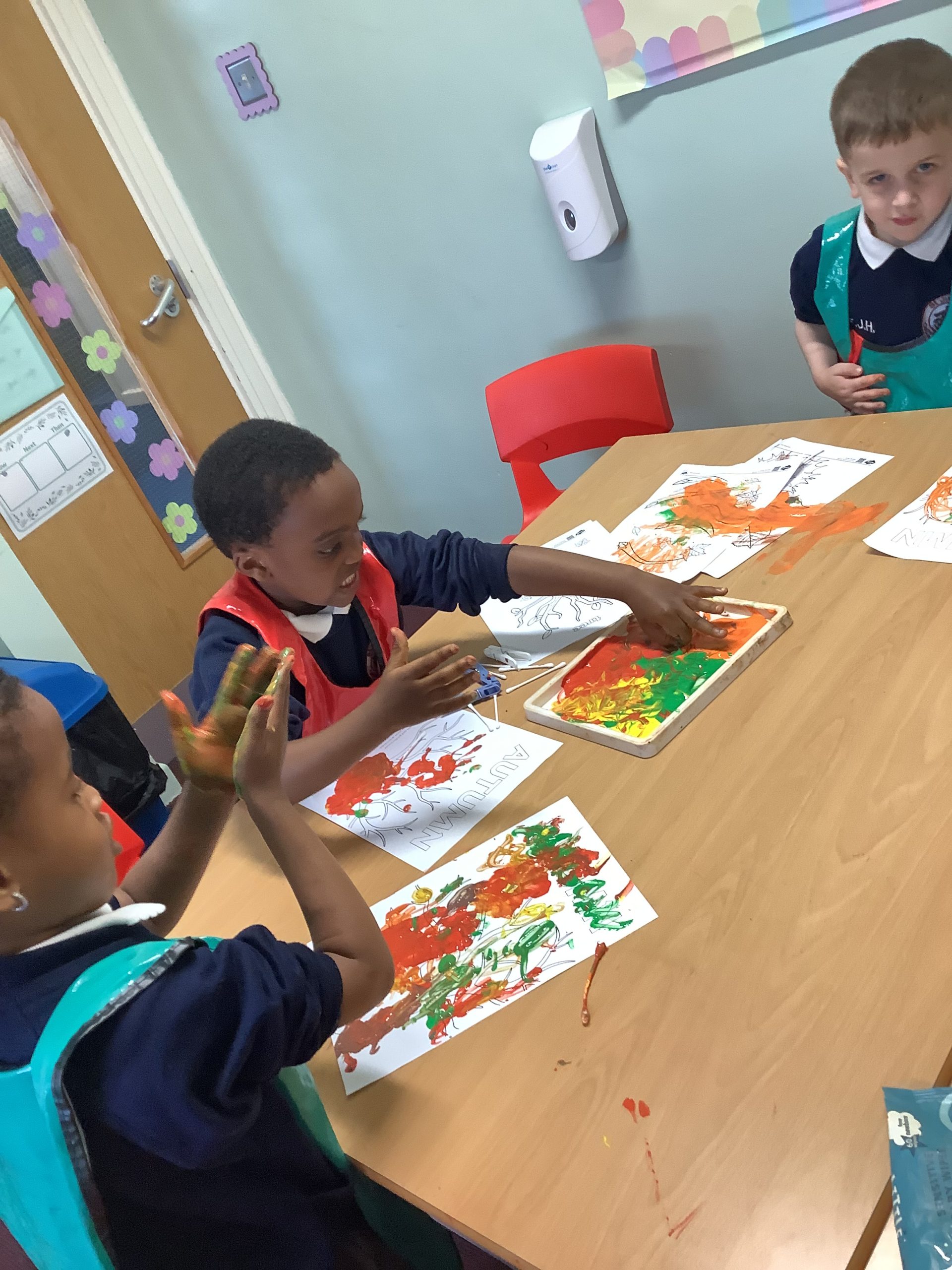
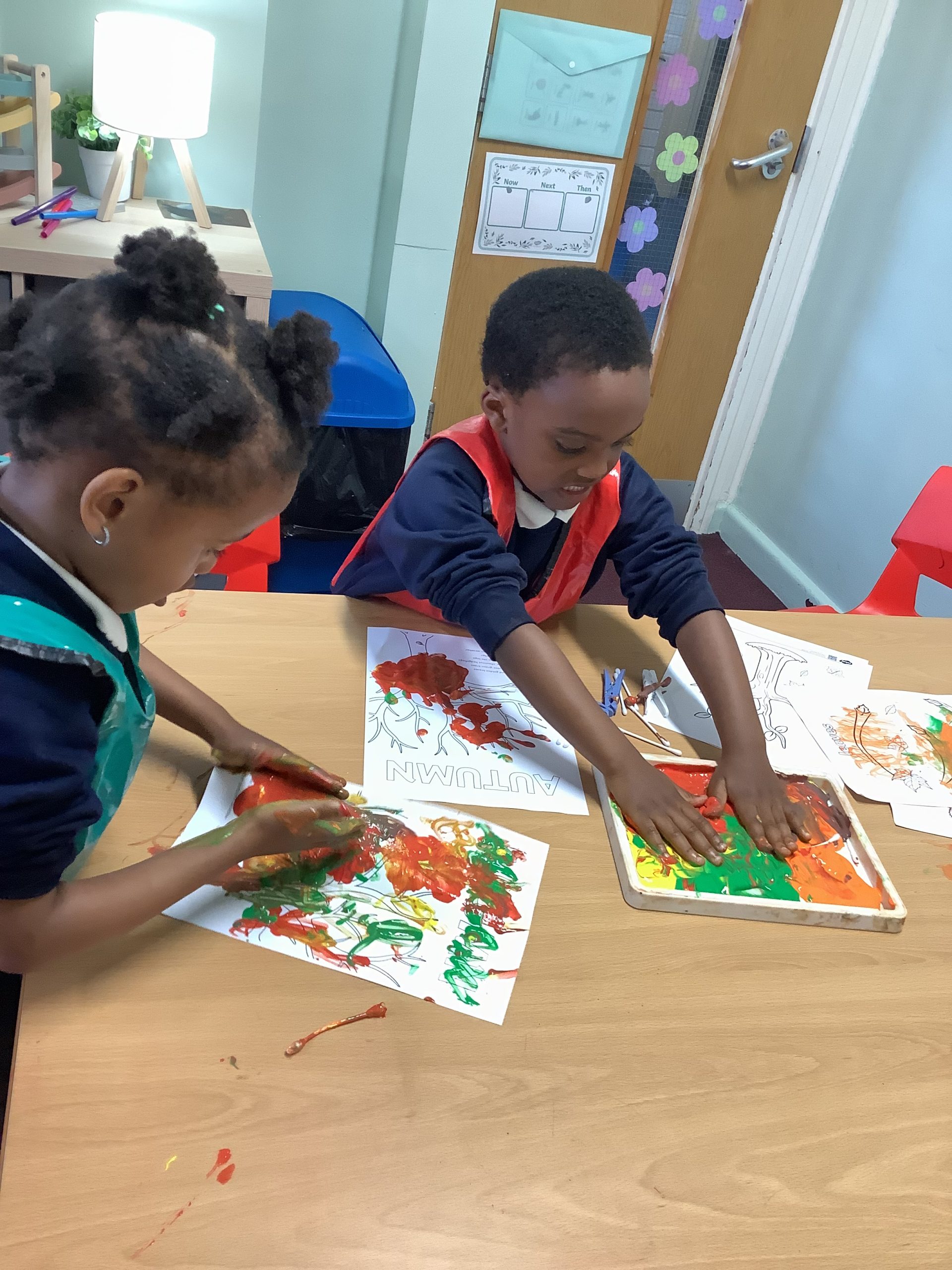
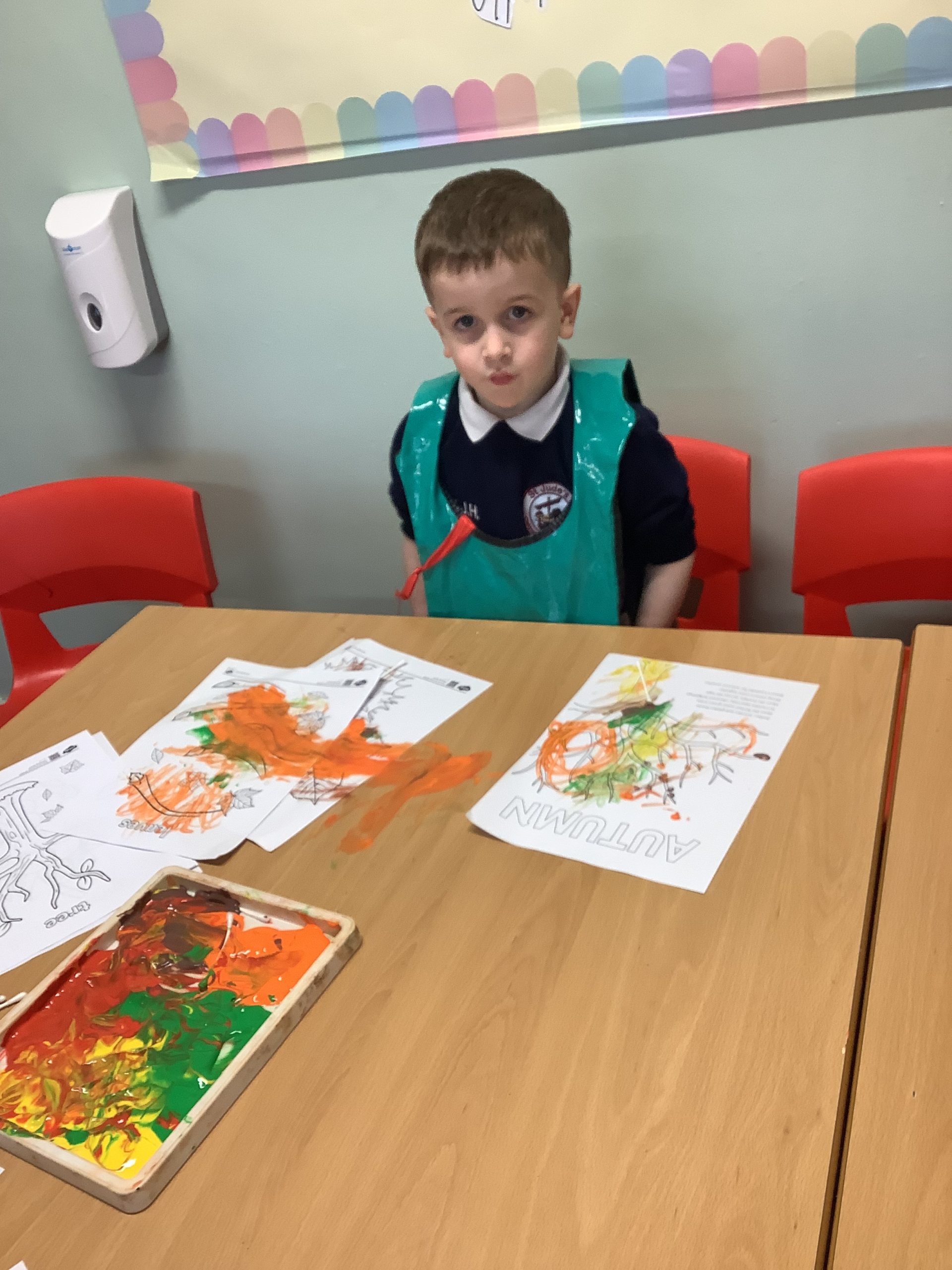
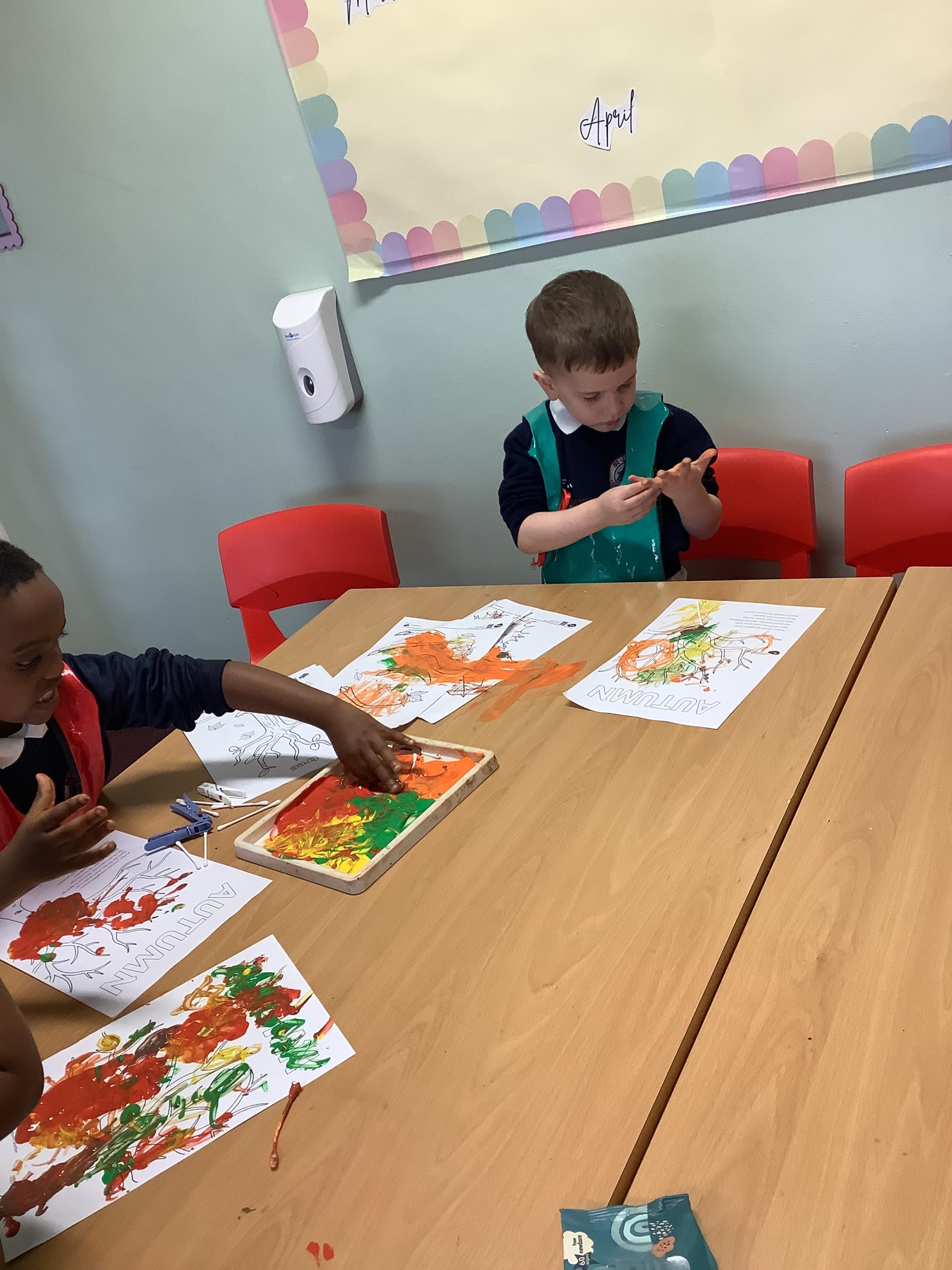
🍂🎨 EYFS have been busy in the den developing their fine motor skills through a fun autumn activity!
Using cotton buds and paint, the children created their own beautiful autumn pictures. 🍁 They practised their pincer grip, hand-eye coordination and control while exploring autumn colours and getting creative.