Year 4 Roman Workshop
23-10-2026
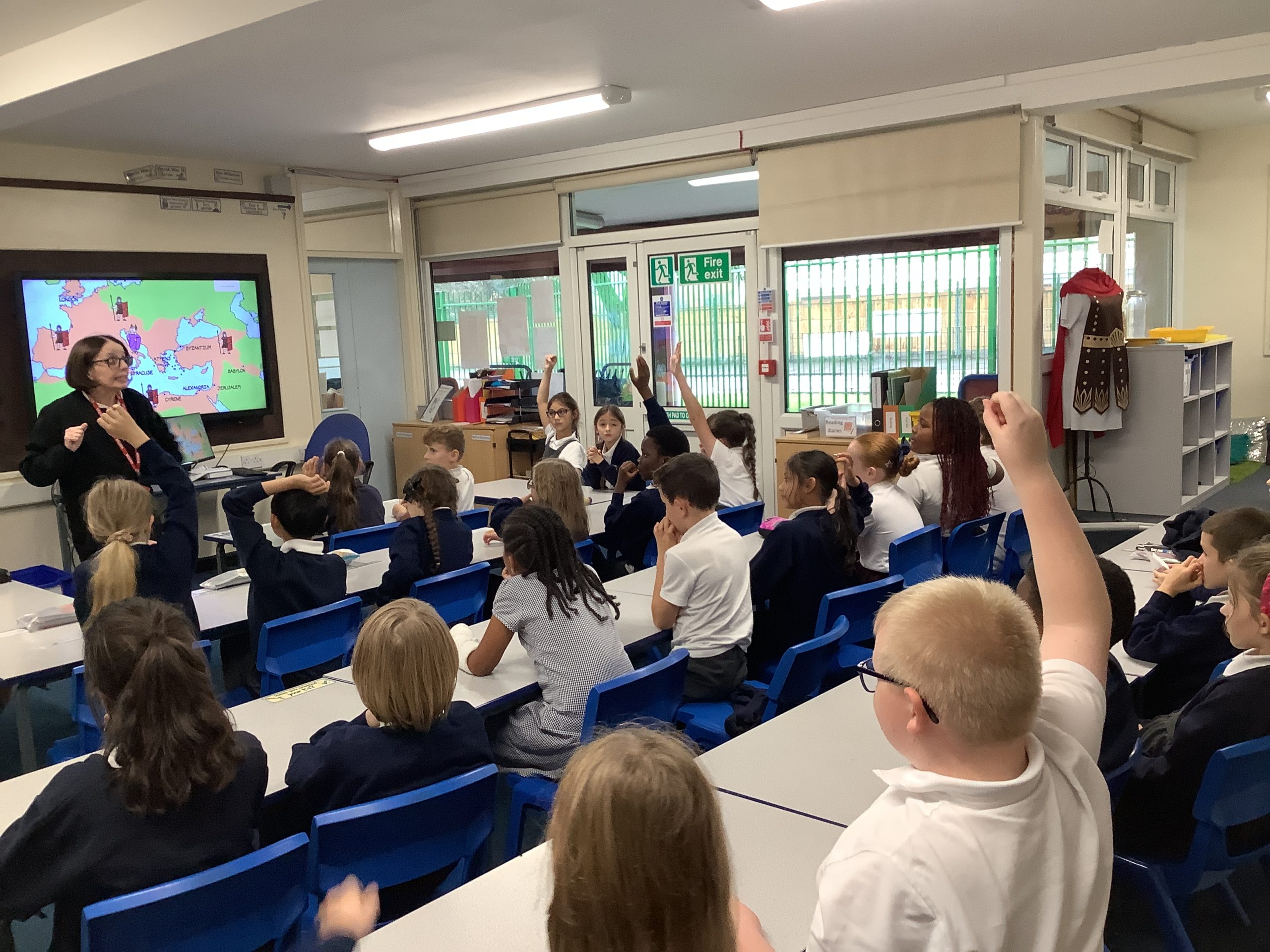
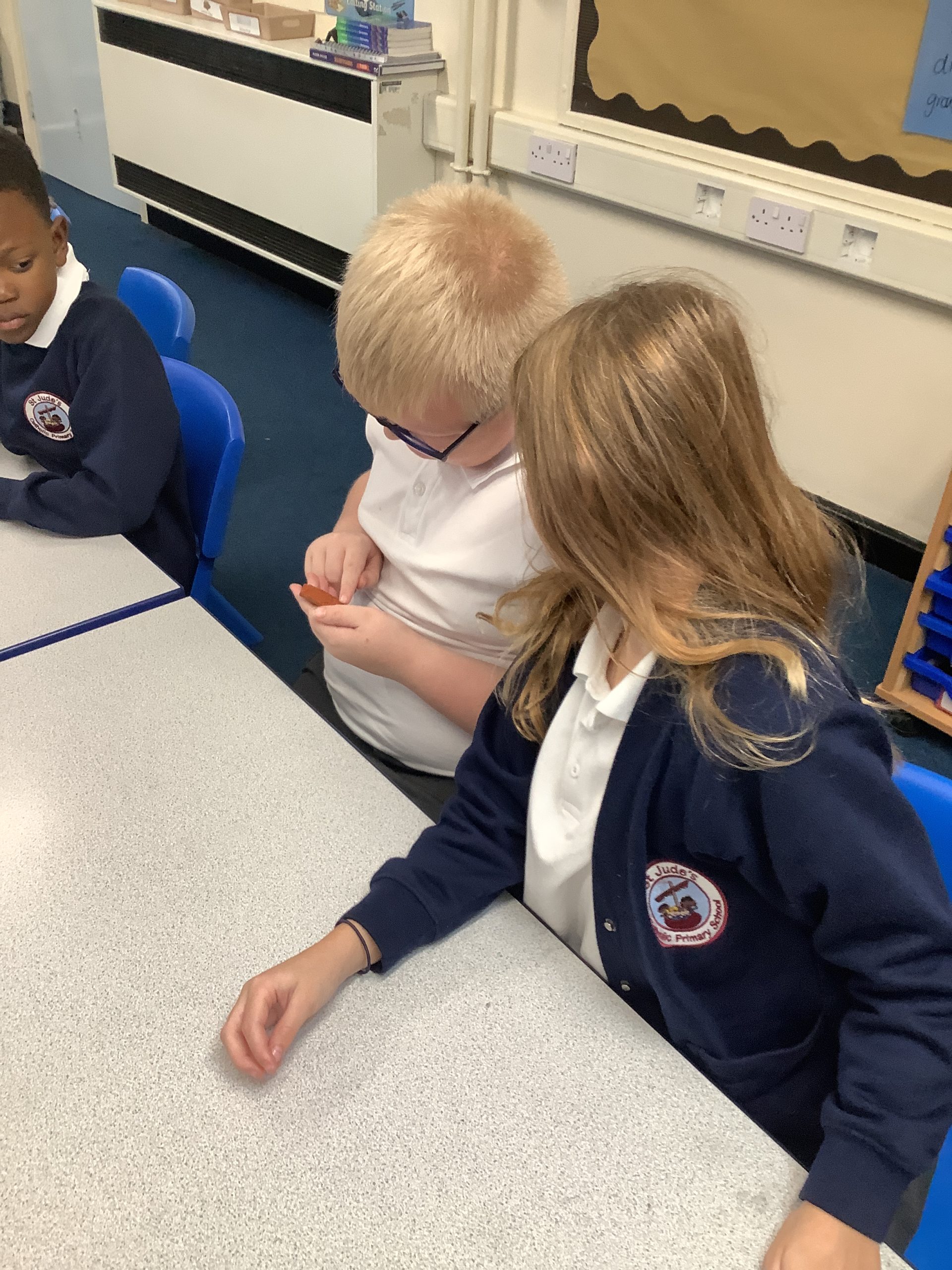
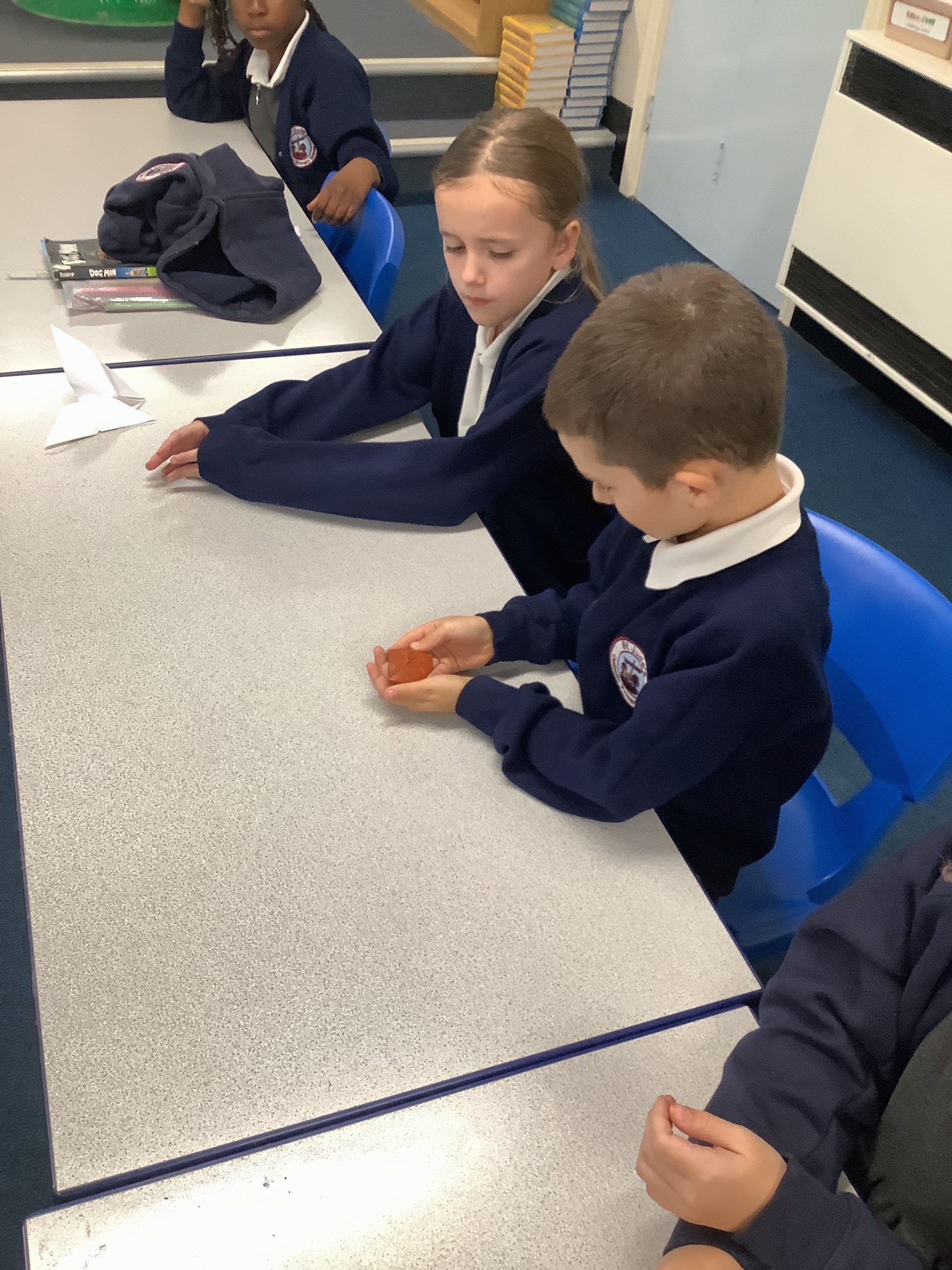
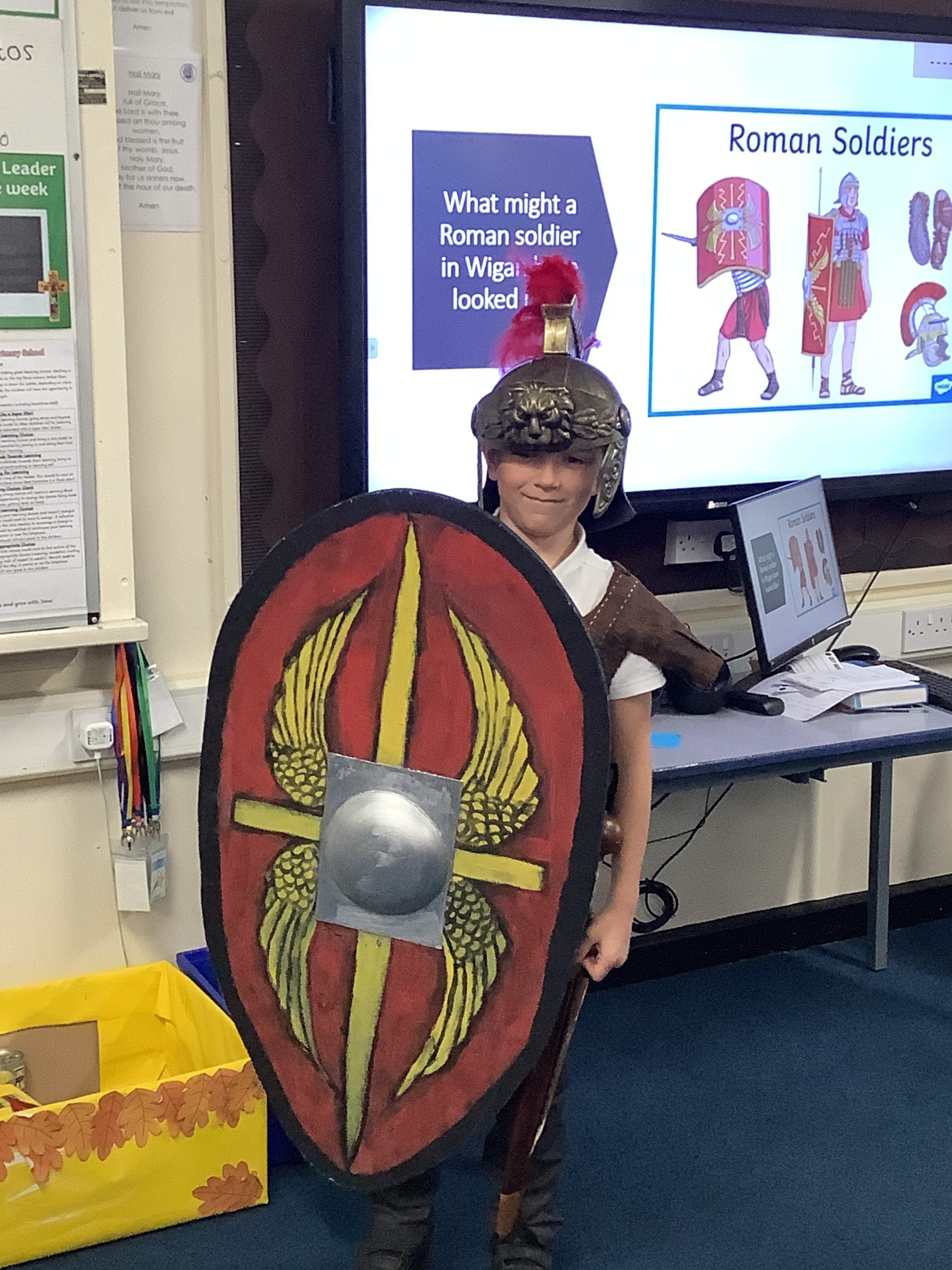
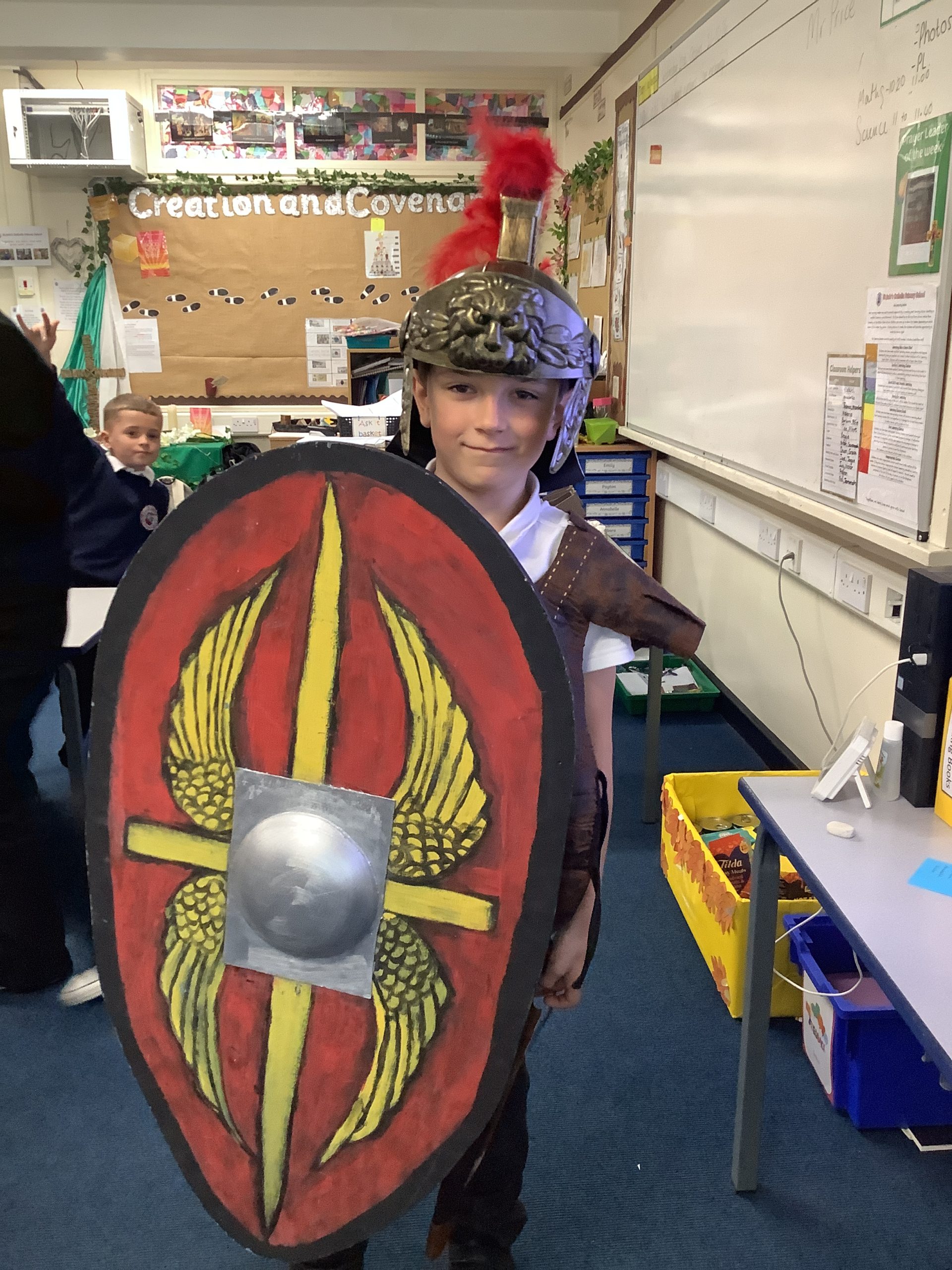
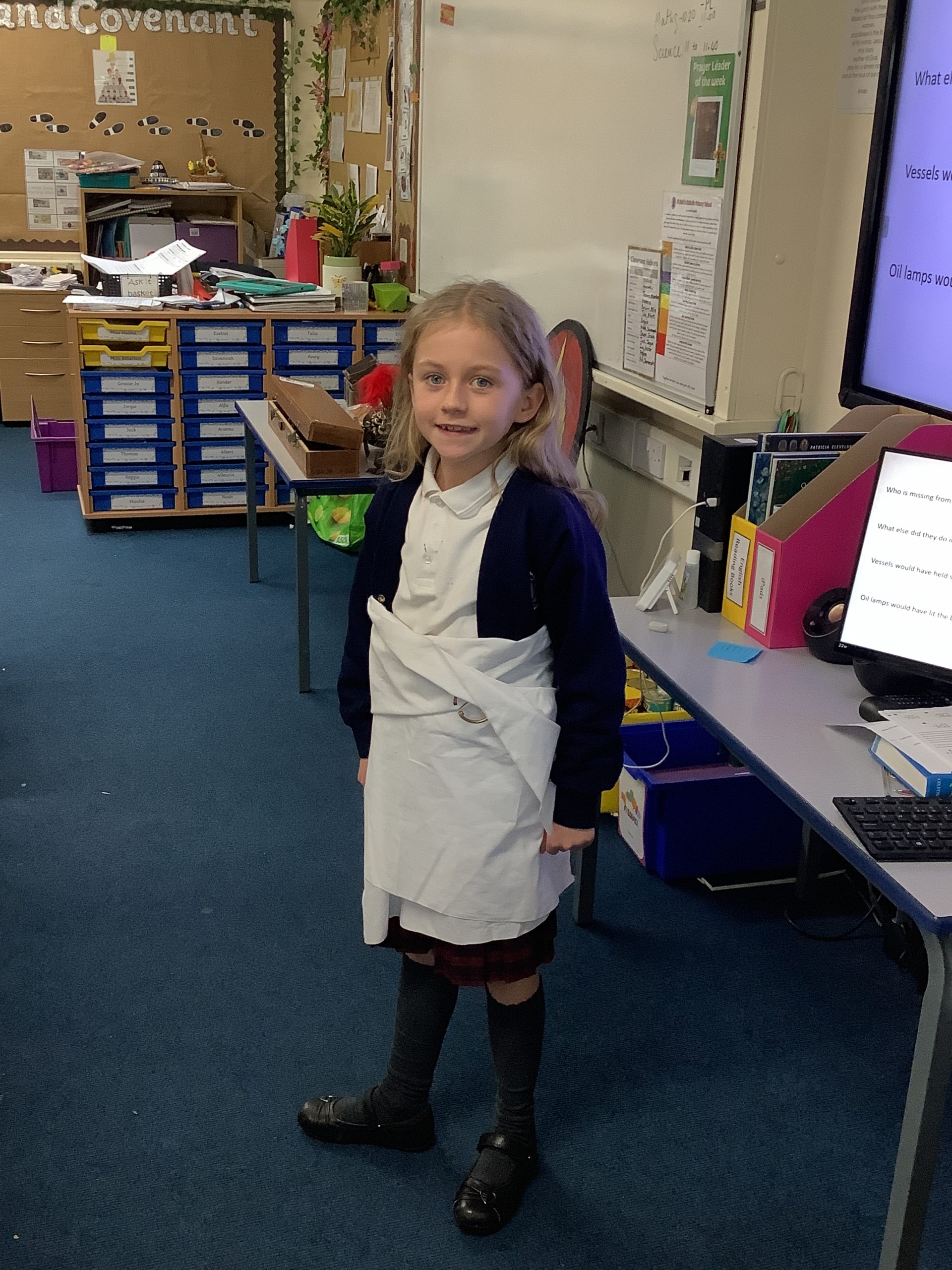
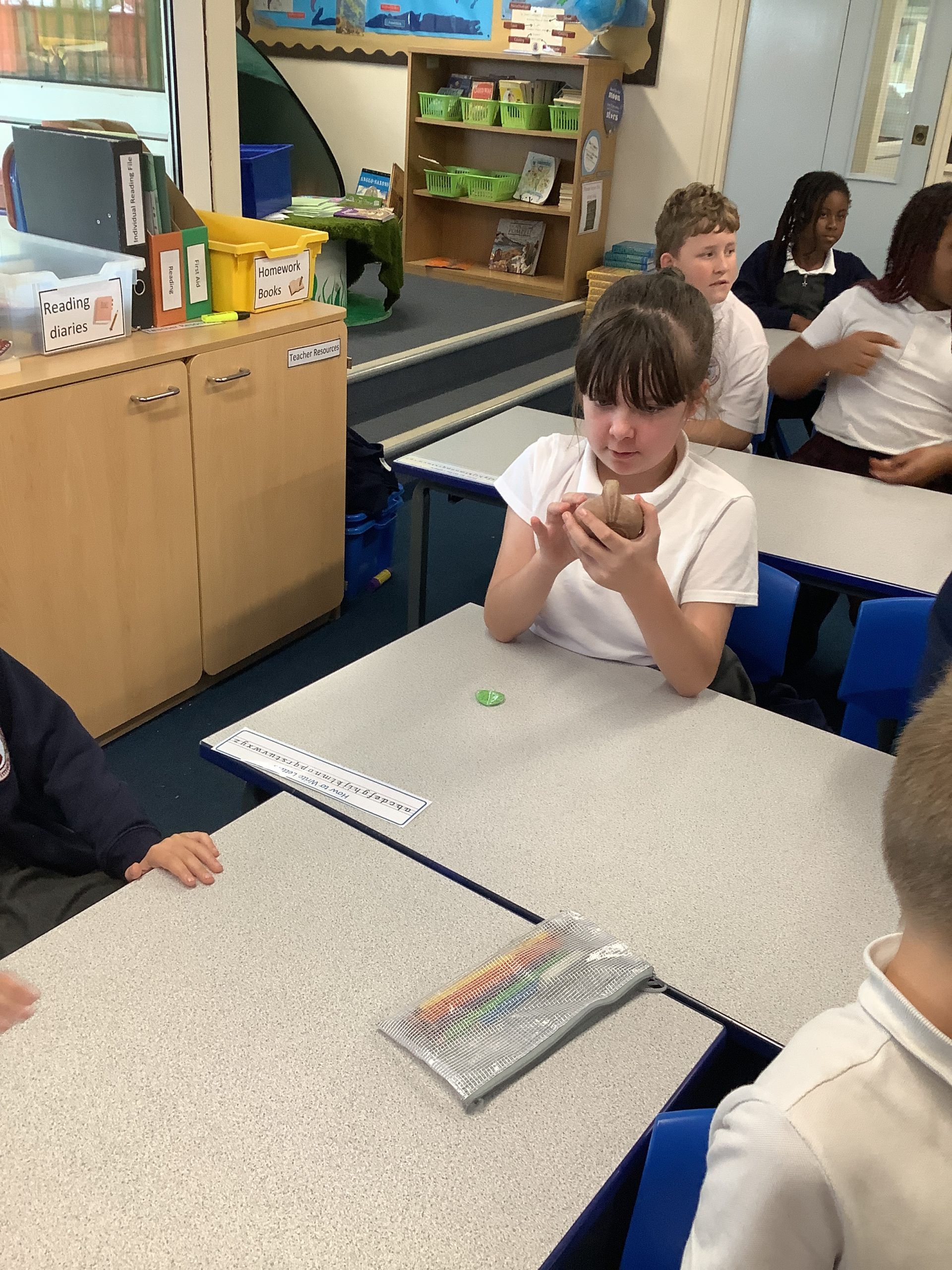
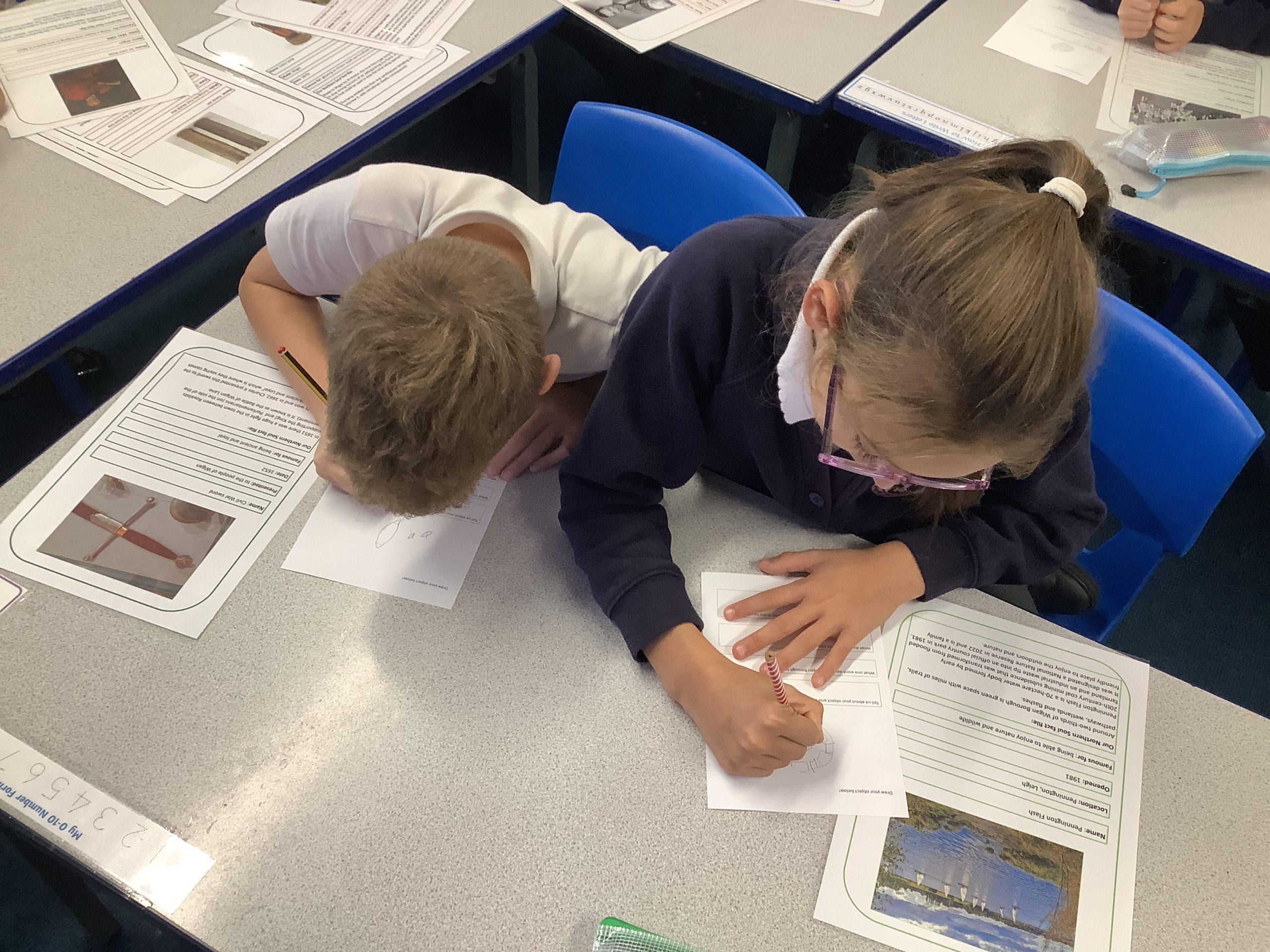
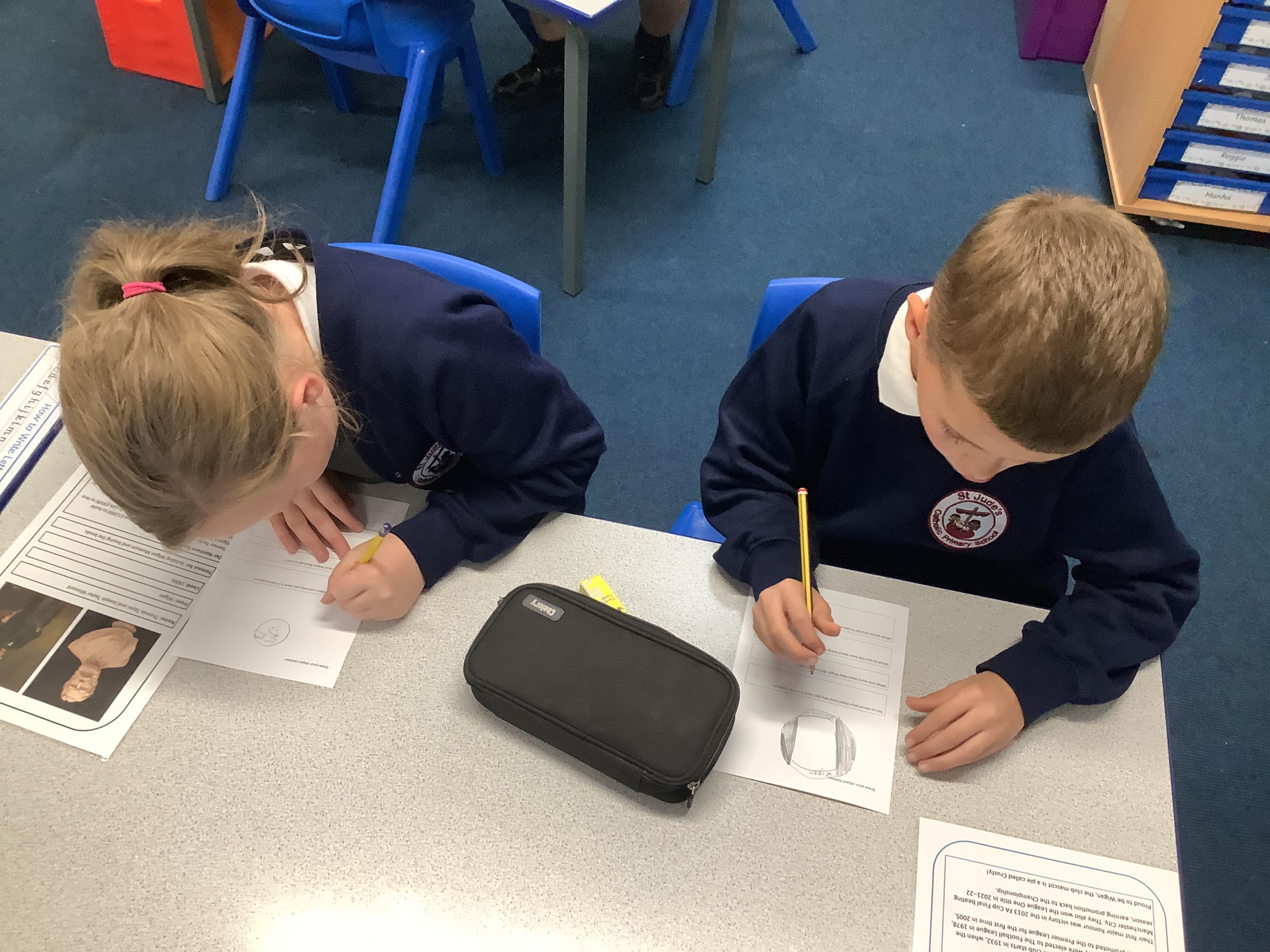
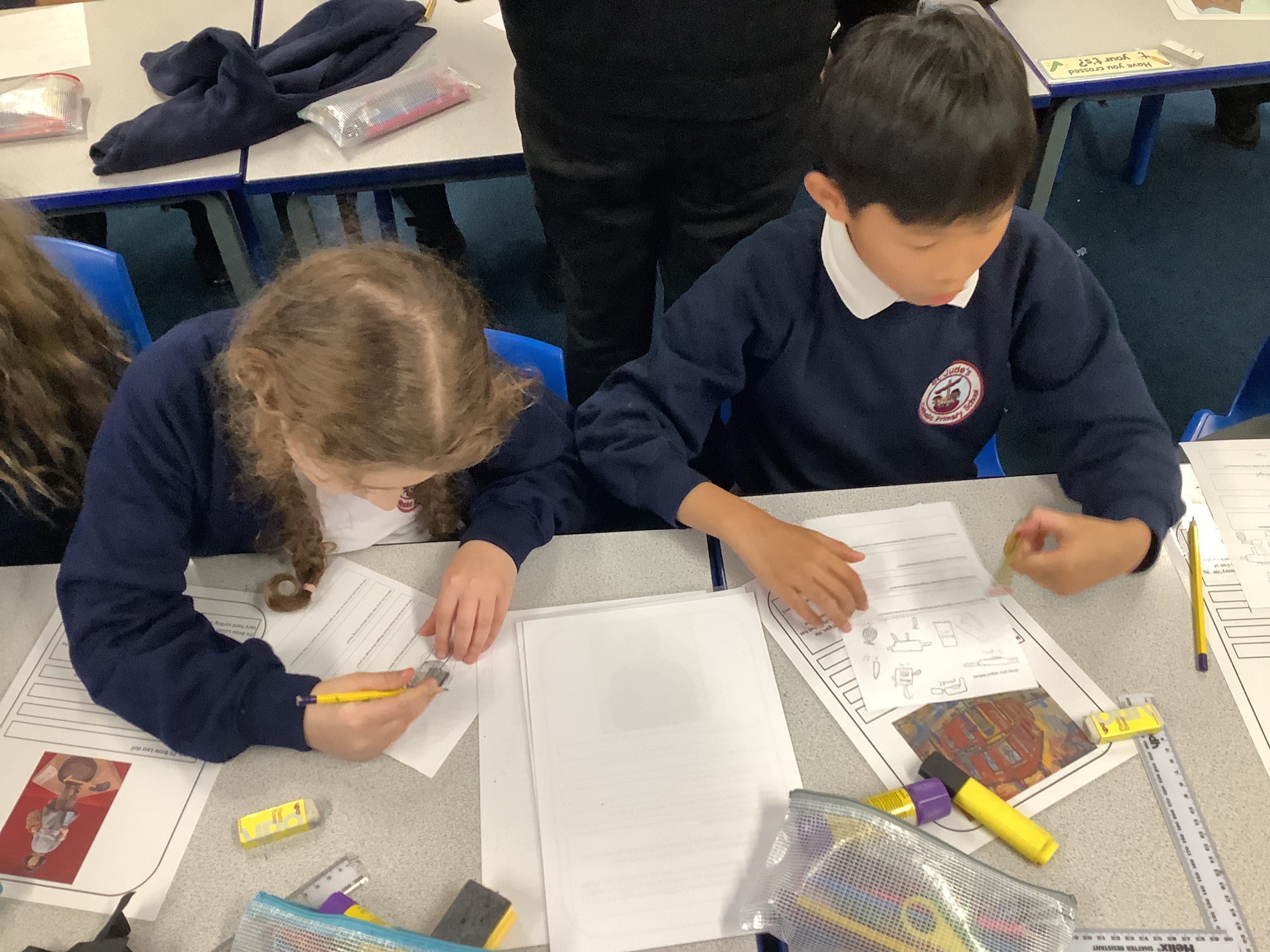
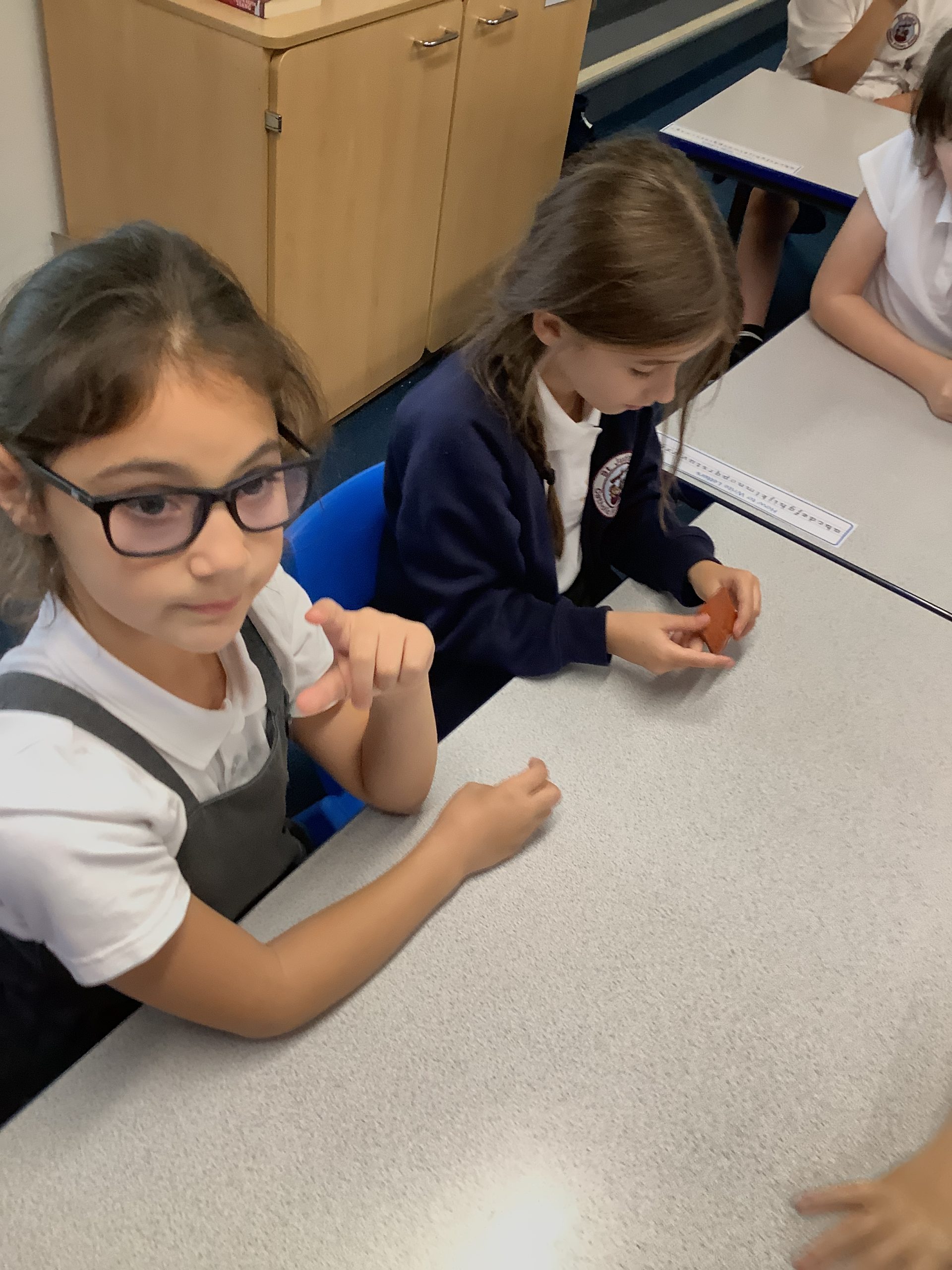
This week, Year 4 were lucky enough to have a visitor from Wigan Museum teaching them all about the Romans! We dressed up, looked at Roman artefacts and left school with lots of new facts.
It is the intention of St Jude’s to give our children a History curriculum that is more than remembering events and the dates that they took place. Although these are important to history, it is ‘why’ things happened that must be investigated, and what effects these historical events have on our lives today. We aim to challenge our children and create pupils who are curious about the past, have the perseverance to find answers to historical questions, as well as the potential to find, discover and answer the ‘what and why’ questions as well as the ‘when’ questions.
In order to achieve this, we aim to provide children with many different sources of historical evidence, provide opportunities for children to evaluate the usefulness of these sources and to be aware that when looking at evidence there is often a historical bias. By looking at different resources and different interpretations of events, children will recognise that this can lead to different conclusions. We aim to provide an enriching learning experience that enables children to come to their own conclusions through the evaluation of a variety of sources.
Every aspect of our lives is affected by what has gone before. By having a clear, rounded grasp of history not only enables our children to know where we have been, but perhaps more importantly, where we are going.
History at St Jude’s is linked to other topics such as English units of work and geographical enquiries in order to help embed learning and to show children that learning is cross-curricular. School has identified the key knowledge, skills and topics required to give a broad and balanced history curriculum and this is cross referenced to, and in line with, the national curriculum expectations.
Topics begin from a point of enquiry, and this will be central to the whole of the learning about that topic. An overall plan will be created by the teacher, this will include a sequence of lessons and a knowledge organiser that answer the enquiry questions and allow children to discover and interpret historical sources of information.
It is our intention to deliver stimulating history lessons that immerse pupils in their learning by using multiple historical sources, as well as historical artefacts. We provide our children with enrichment opportunities and experiences by visiting historical sites both locally and nationally and we invite outside partners into school to deliver experiential learning e.g. Wigan Museum. We are incredibly fortunate that in our local area we can see and engage with historical events; from the ruins of a roman villa, through to the coal mines and canals that helped power the UK as it led the world during the industrial revolution.
Our history curriculum and sequence of learning, enables children to demonstrate a progression of skills and knowledge as they move through the year groups. Children will have taken part in high quality visits that further develop their historical understanding.
Children will be able to demonstrate
Christopher and Neil Year 1 SPRING
Lowry Year 1 SUMMER
Toys Year 1 AUTUMN
GFoL Year 2 SPRING
Florence N and Mary S Year 2 AUTUMN
Ancient Egypt year 3 SPRING
Ancient Greece year 3 SUMMER
Stone Age to iron Age year 3 AUTUMN
Year 4 – Anglo-Saxons SPRING
Year 4 – Romans AUTUMN
Ancient maya year 5 SPRING
Anglo saxons and Vikings Year 5 AUTUMN
A NORTHERN POWERHOUSE- YEAR 6 SUMMER
WW2 year 6 AUTUMN
Websites to support your child with History at home, click on each website to explore.

This week, Year 4 were lucky enough to have a visitor from Wigan Museum teaching them all about the Romans! We dressed up, looked at Roman artefacts and left school with lots of new facts.
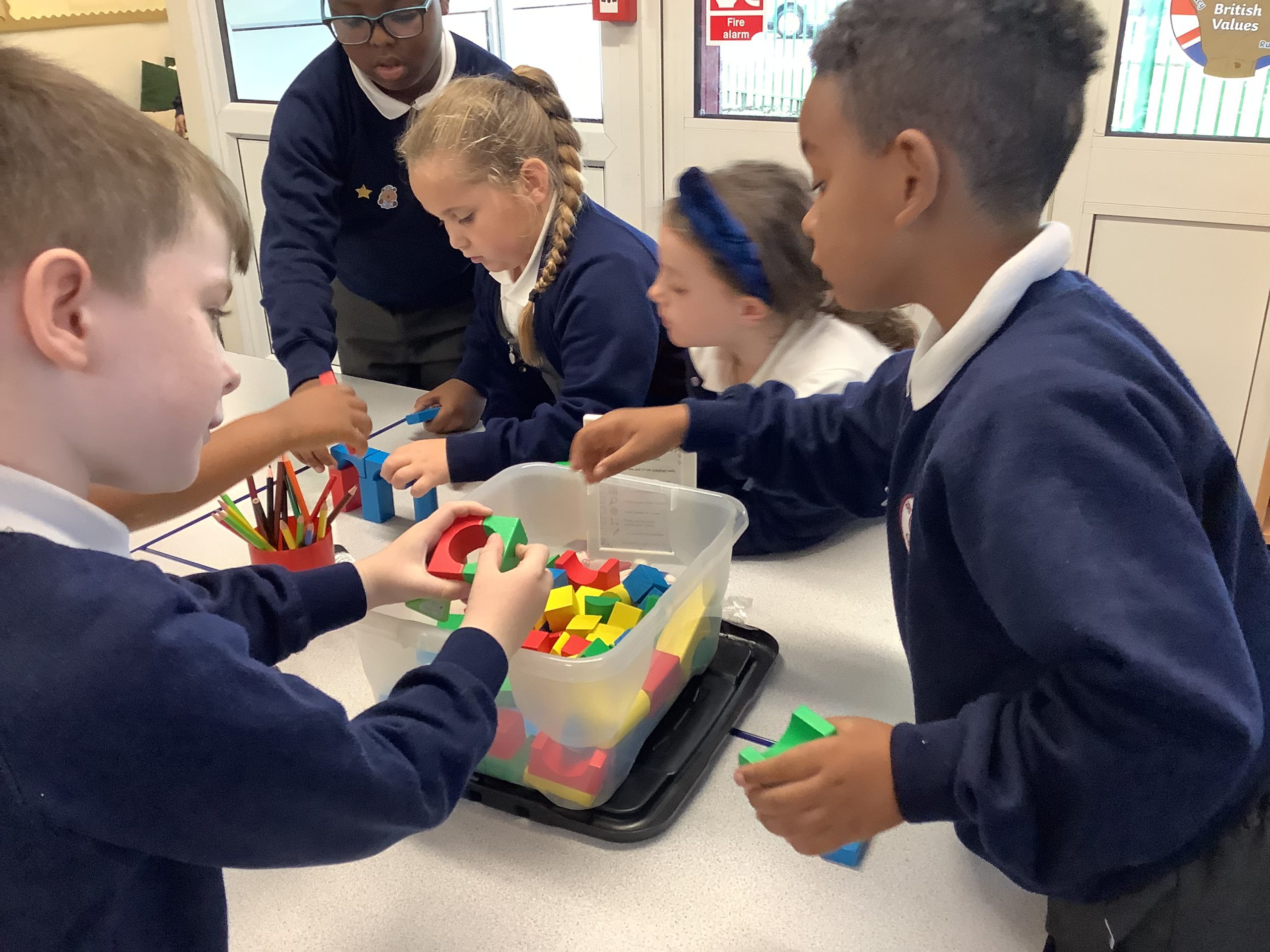
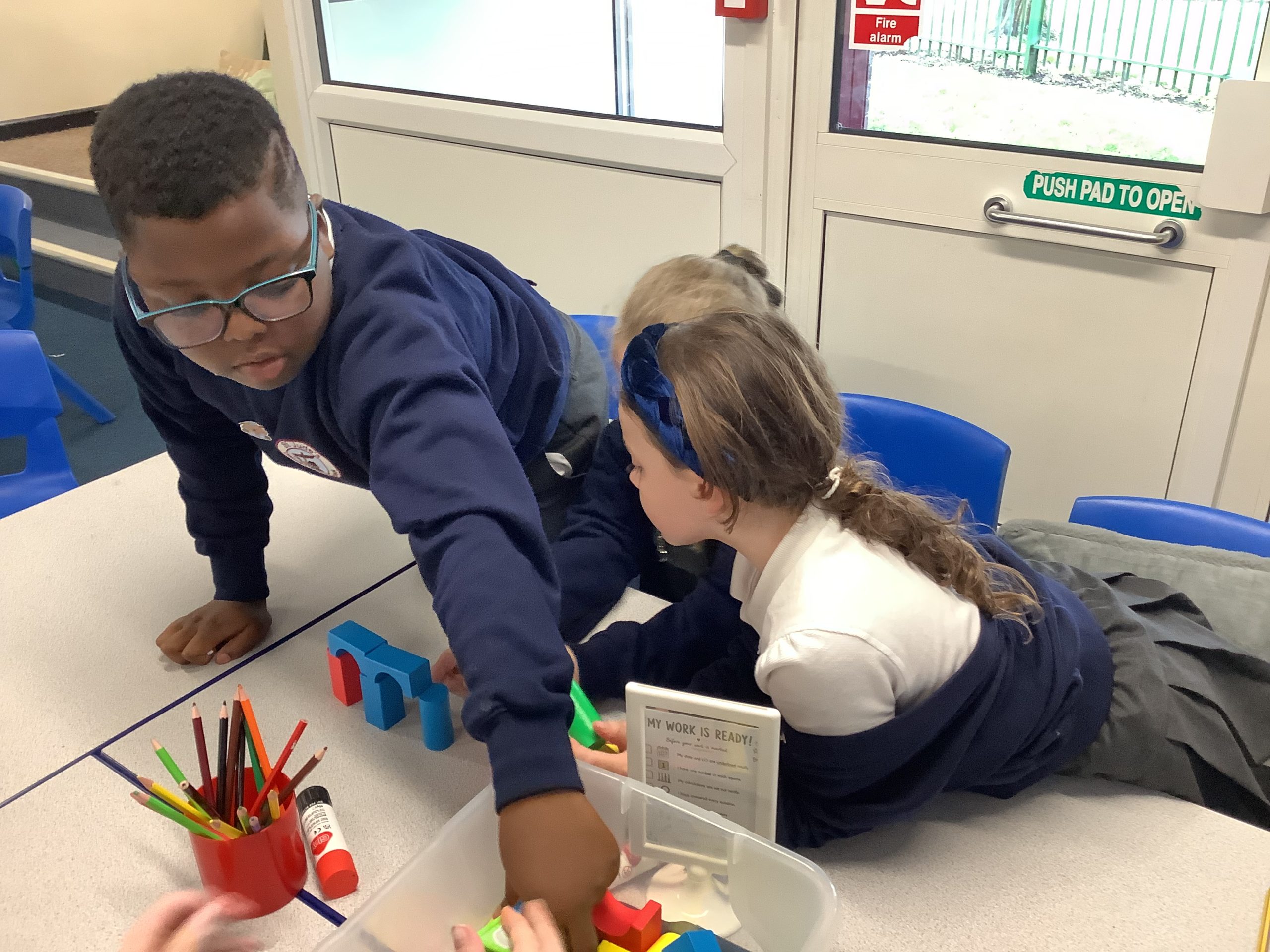
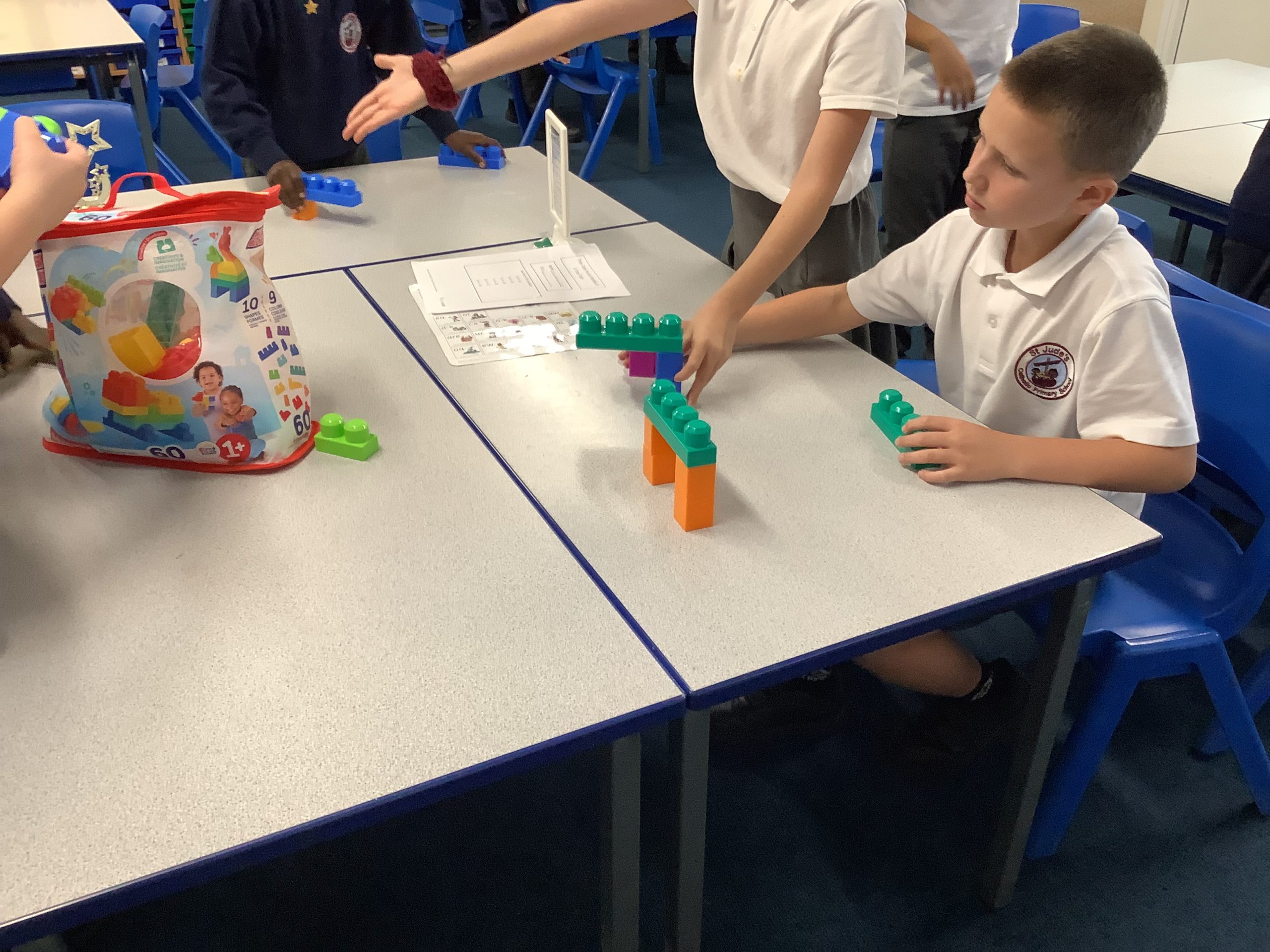
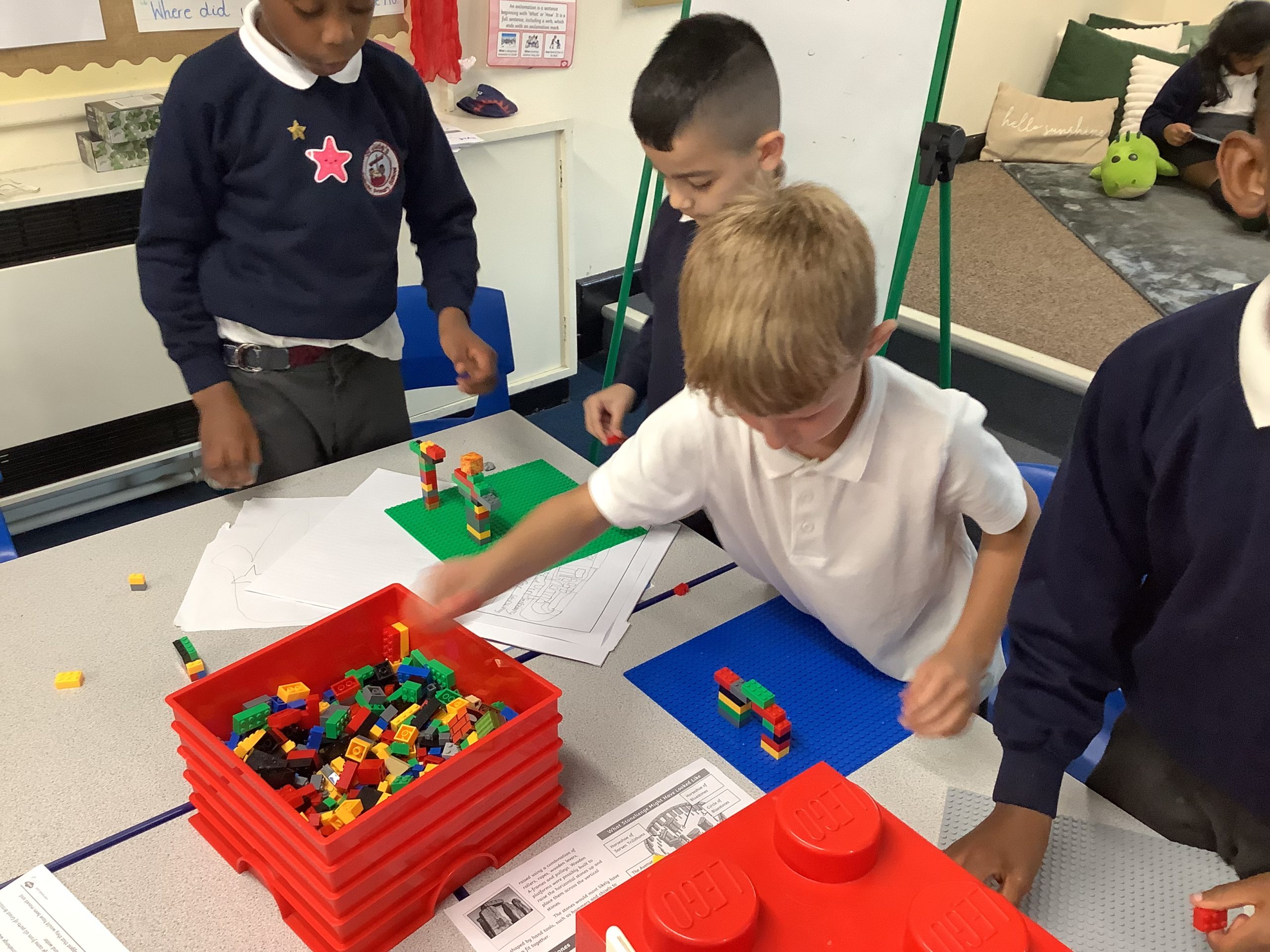
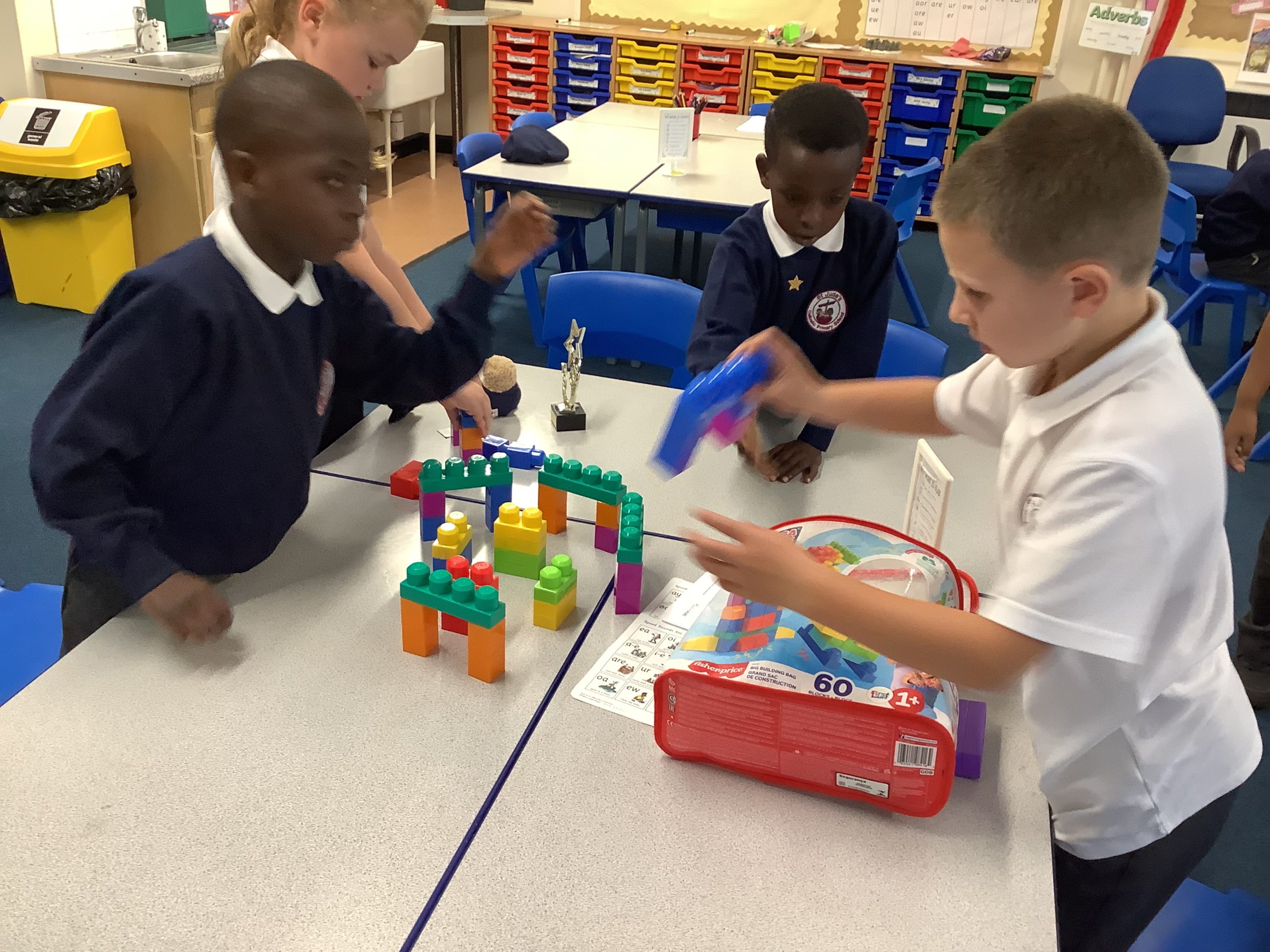
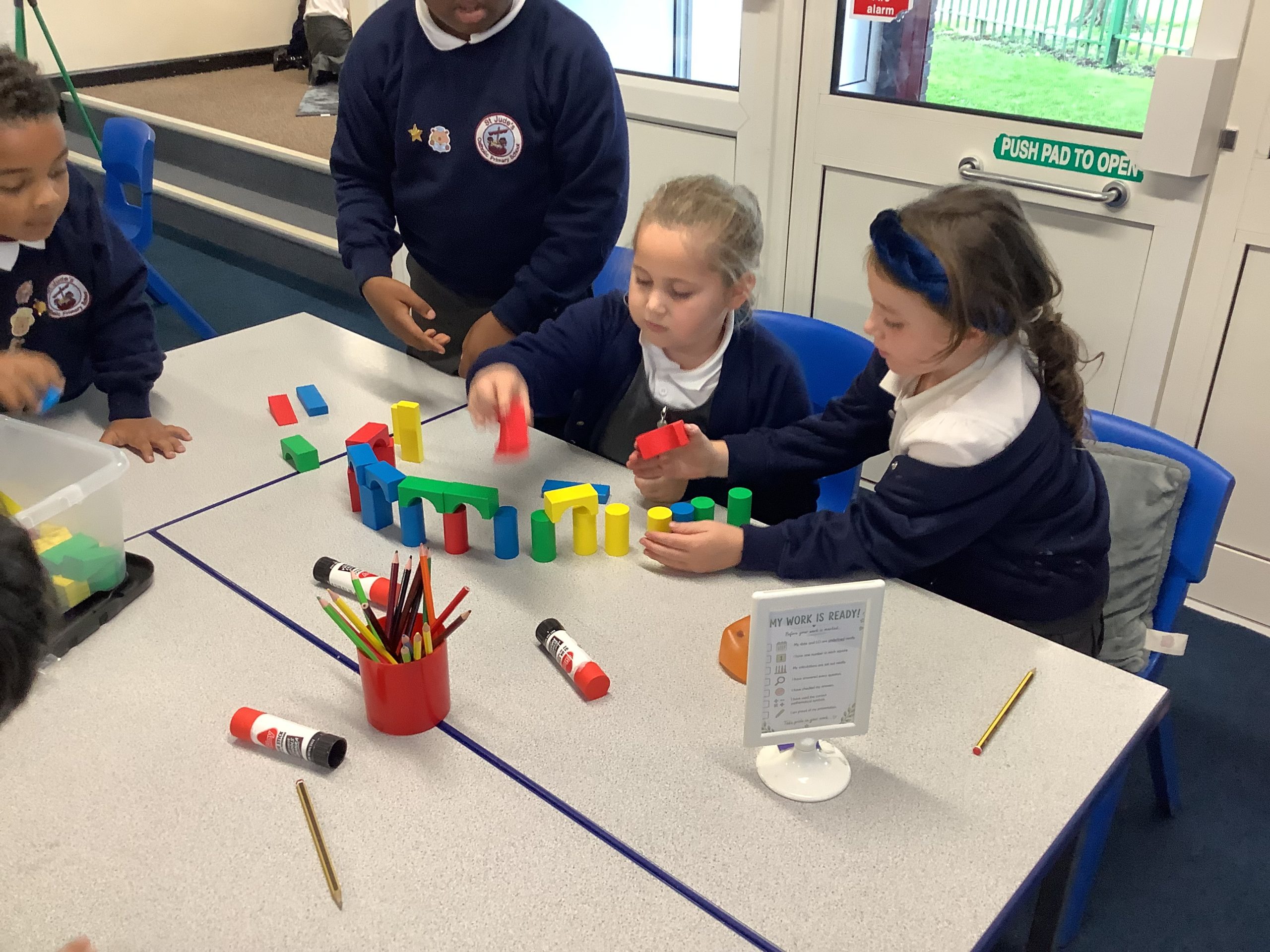
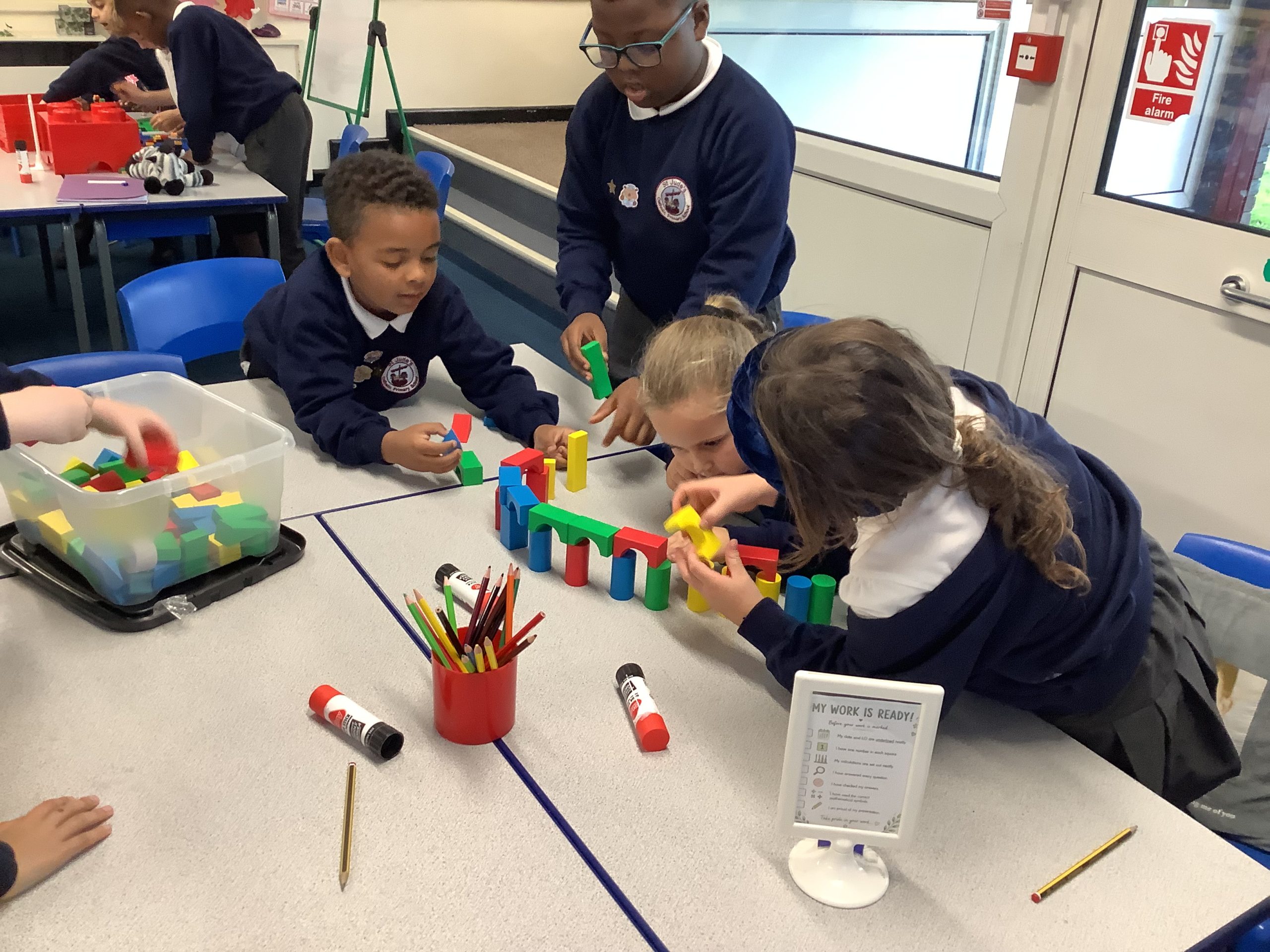
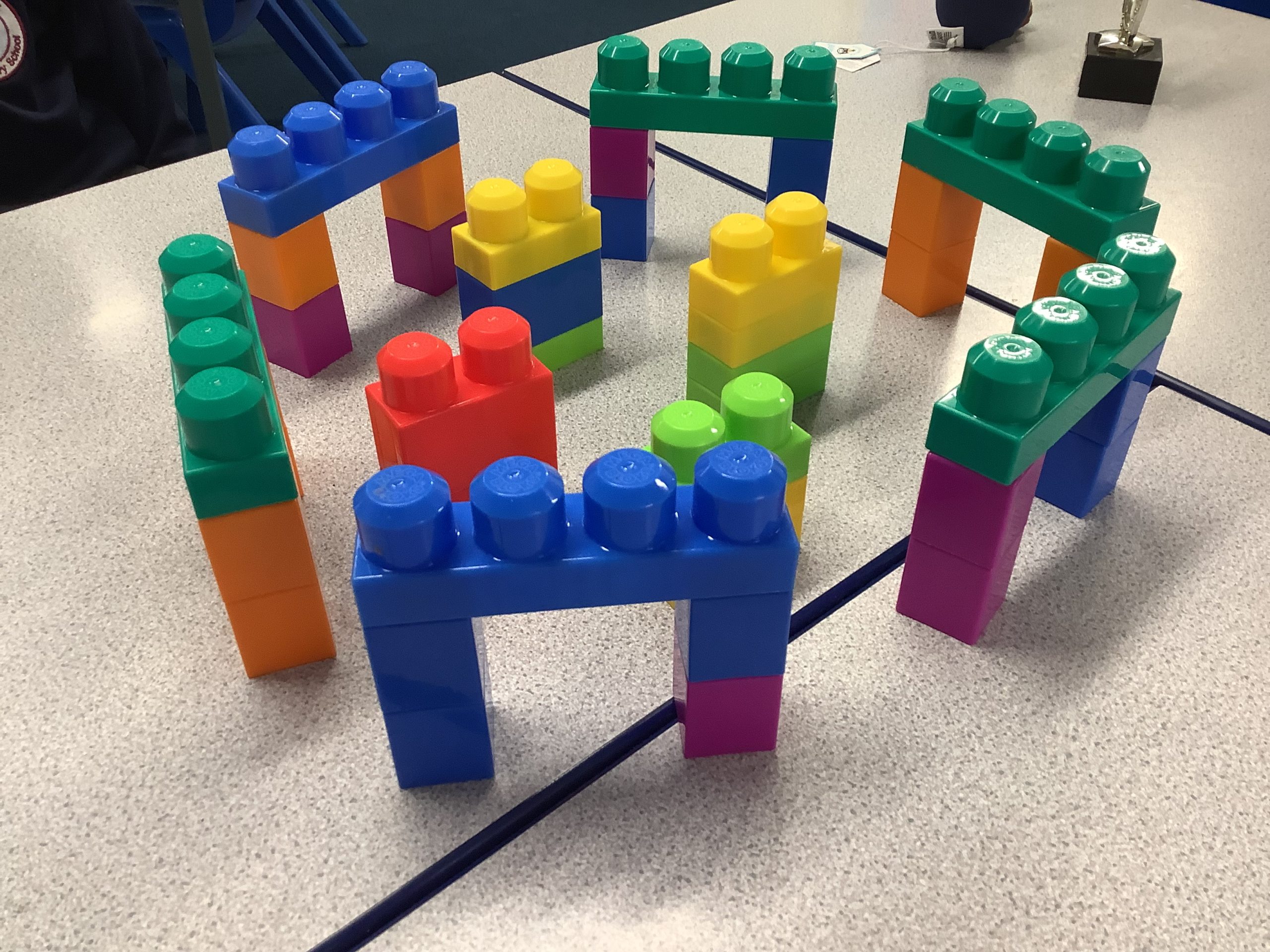
The children have been learning about Stonehenge and used different resources to build it. They were able to identify where Stonehenge is and what is was used for in the Bronze Age.
We visited the Manchester Museum to take a trip through time on their Time Odyssey adventure. Using iPads, augmented reality and an interactive game, we saw incredible exhibits, marvelled at interesting artefacts and were set challenges to help our historic character return to their time period.


As always, we were delighted to welcome families into school to celebrate and share all the fantastic effort children have put into their homework projects. Thank you for supporting your child to be creative and share their learning. We were so impressed with each and every project.


A huge well done and thank you for all of your amazing homework projects. We can tell how much effort has gone into them. 🏅


Year 4 have been selected to take part in the Hallé Inspire Project this half term. The children loved learning about parts of an orchestra and listening to some fantastic music today. We are going to base our piece of music on the Romans.
686
Y1 had a wonderful trip to the Museum of Wigan Life today, learning all about coal mining in Wigan. We enjoyed different workshops where we dressed up as coal miners and looked at old newspapers and photographs. We took the public bus there and back and even enjoyed an ice lolly!


Year 4 looked at maps today to see if they could find place names influenced by the Ango-Saxons.


